Guides
How to Tell Real Moissanite from Fakes and Simulants
Moissanite is not expensive to make, so fakes are usually about mislabelling rather than counterfeiting a luxury good. Here is how to check.
1. Read the certificate
Genuine moissanite ships with a report stating its measurements, cut, colour and clarity plus a report number. A seller who cannot supply one is the first red flag.
2. Use a thermal tester
Moissanite has very high thermal conductivity, so most standard diamond testers read it as 'diamond'. If a stone reads as neither diamond nor moissanite, it is almost certainly cubic zirconia.
3. Look at the facet edges under a loupe
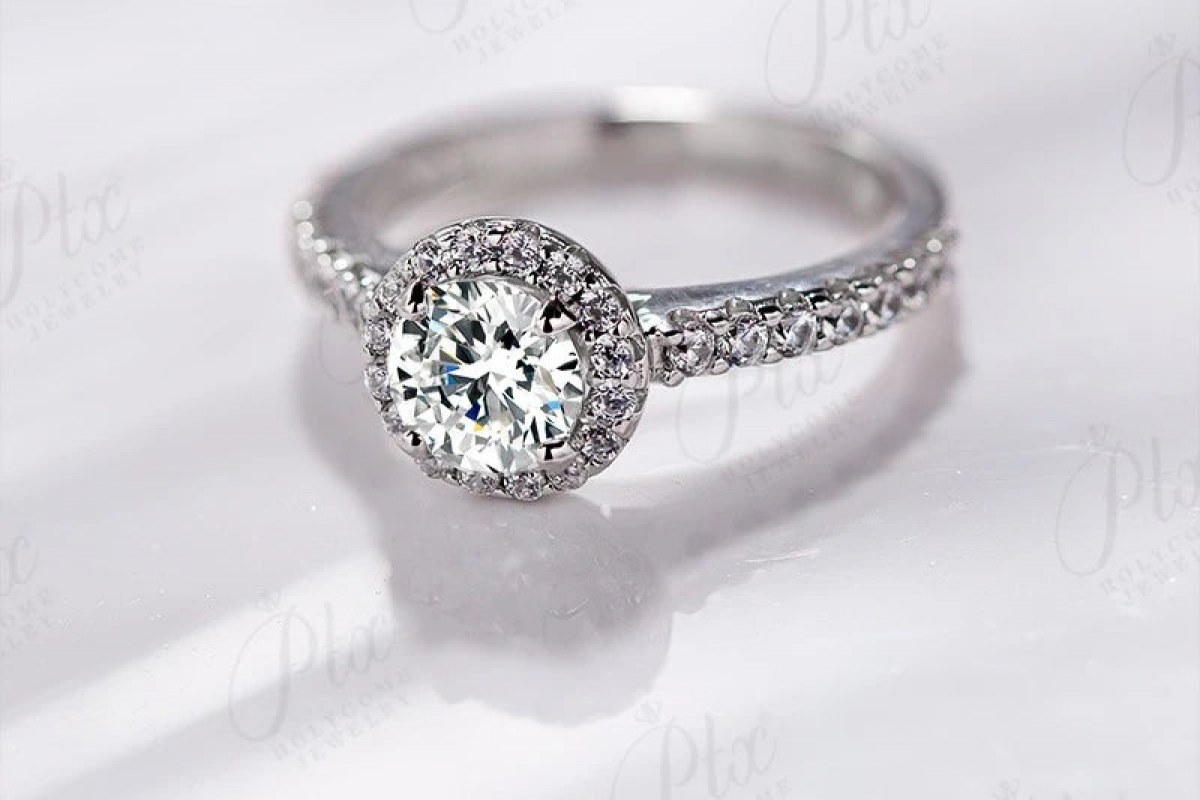
Moissanite has sharp, crisp facet junctions. CZ shows rounded, slightly soft edges, and often a slight orange flash in natural light.
4. Check the price
A 1ct-equivalent moissanite loose stone should cost somewhere around $10–20. Prices far below that usually mean CZ; prices in the hundreds usually mean you are being sold a diamond-grade markup on a moissanite stone.
Every stone we ship includes a GRA report — see loose stones.
Written By
Holycome Team
Gemologists and setters at our own workshop. We have been cutting moissanite and lab grown stones since 2013.