For Jewellers & Makers
Loose Stones, Certified And Ready To Set
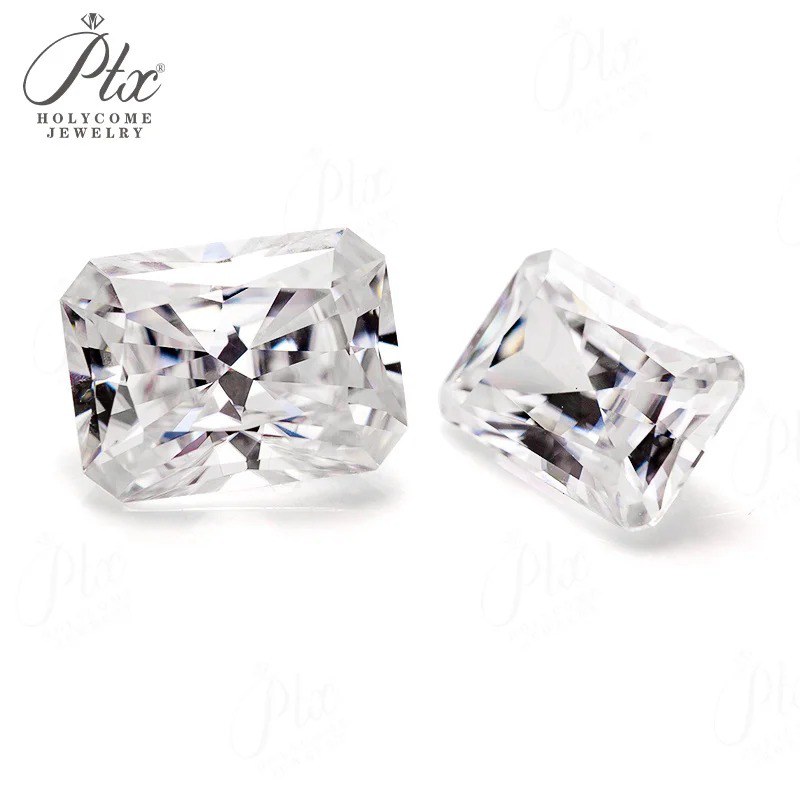
Choose the exact stone before it is set. Loose moissanite, lab grown diamond and coloured gemstones from 0.5ct to 5ct, each with its certificate and shipped in a sealed gem jar.
Showing all 16 products
Why Buy A Loose Stone
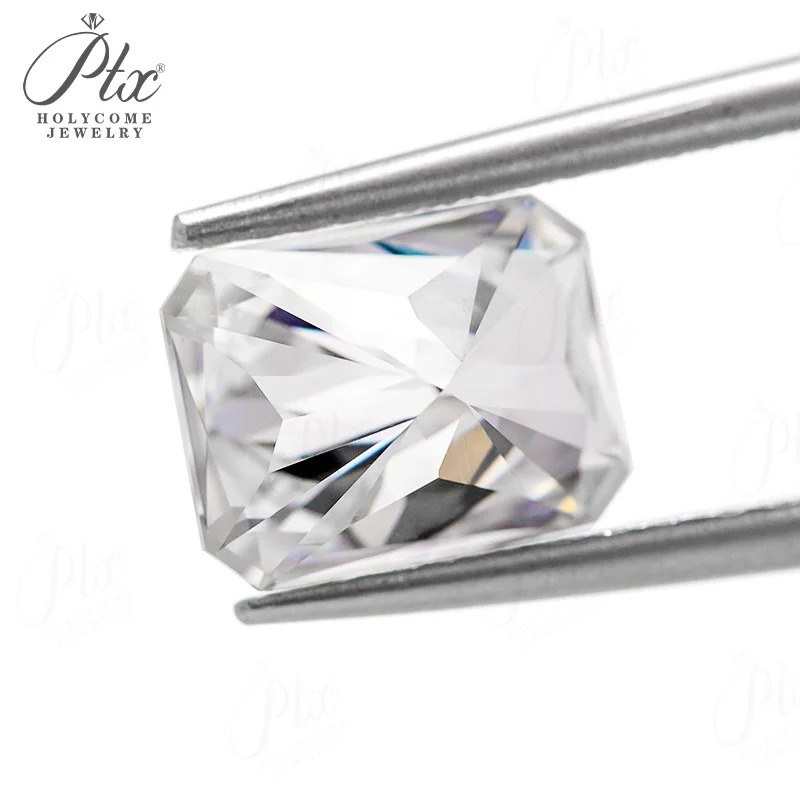
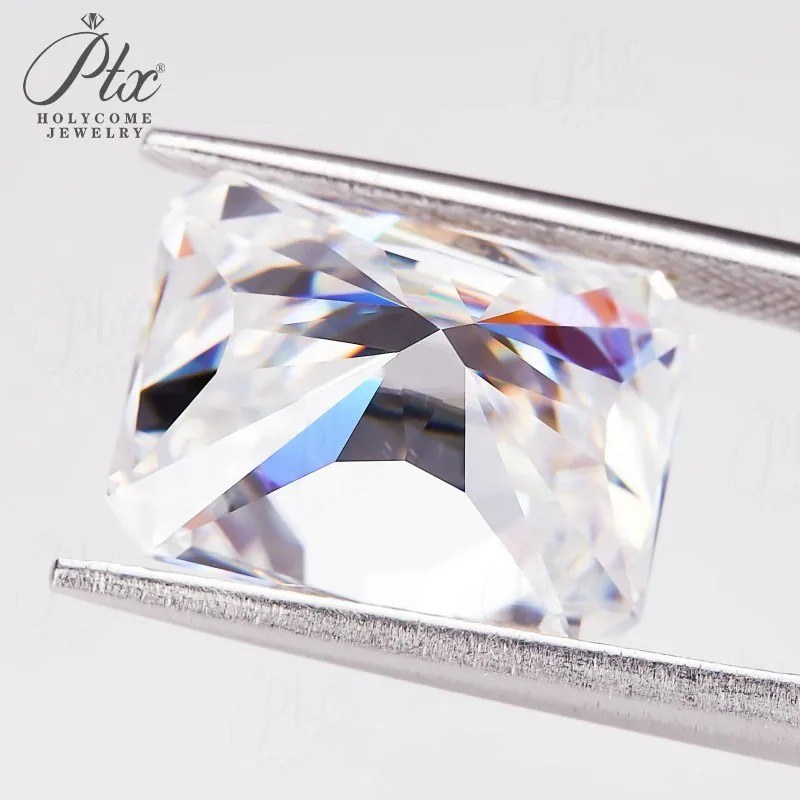
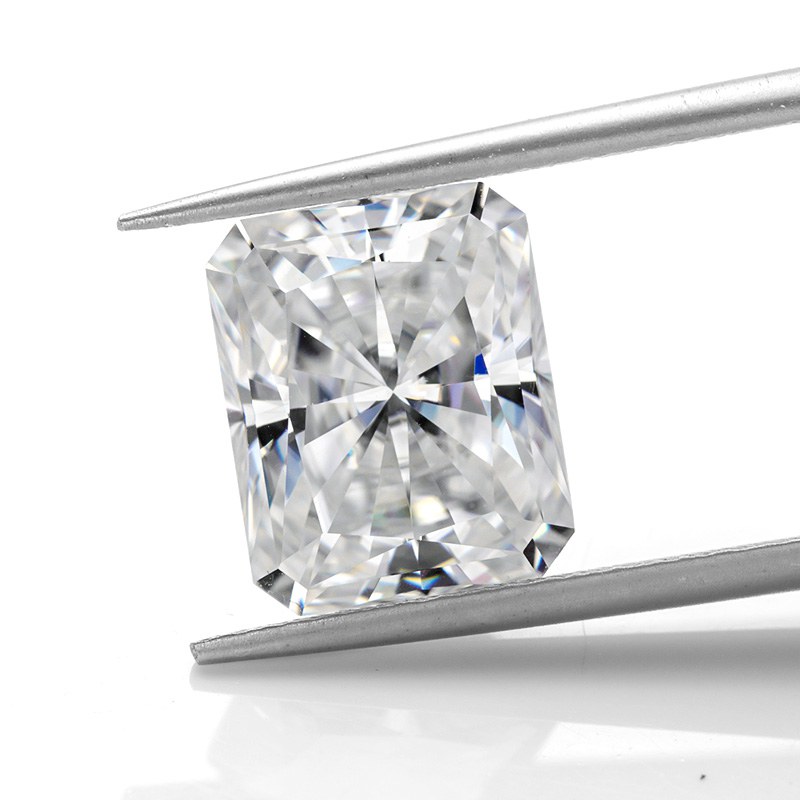
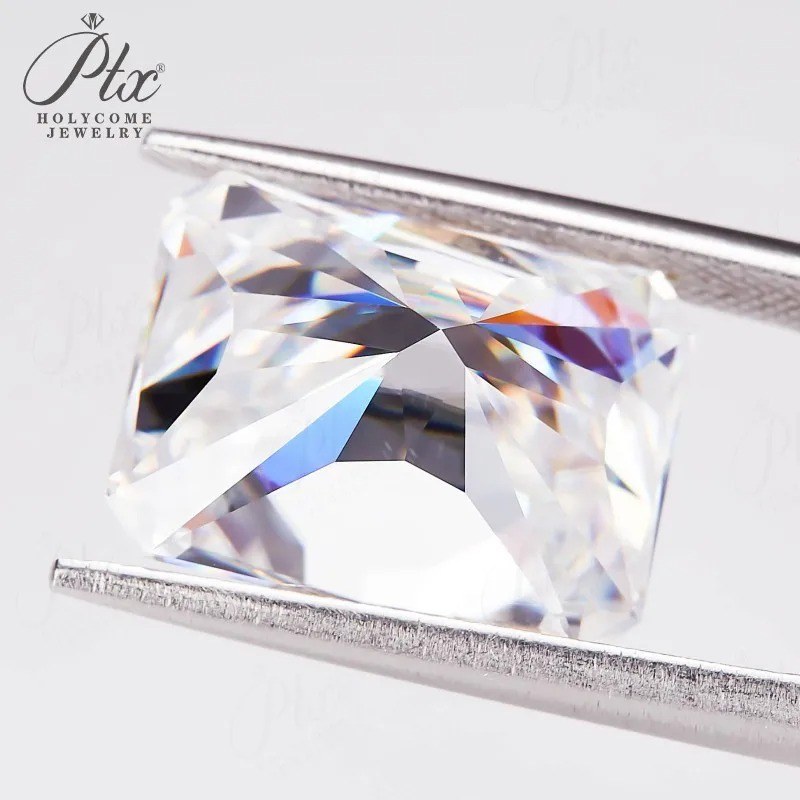
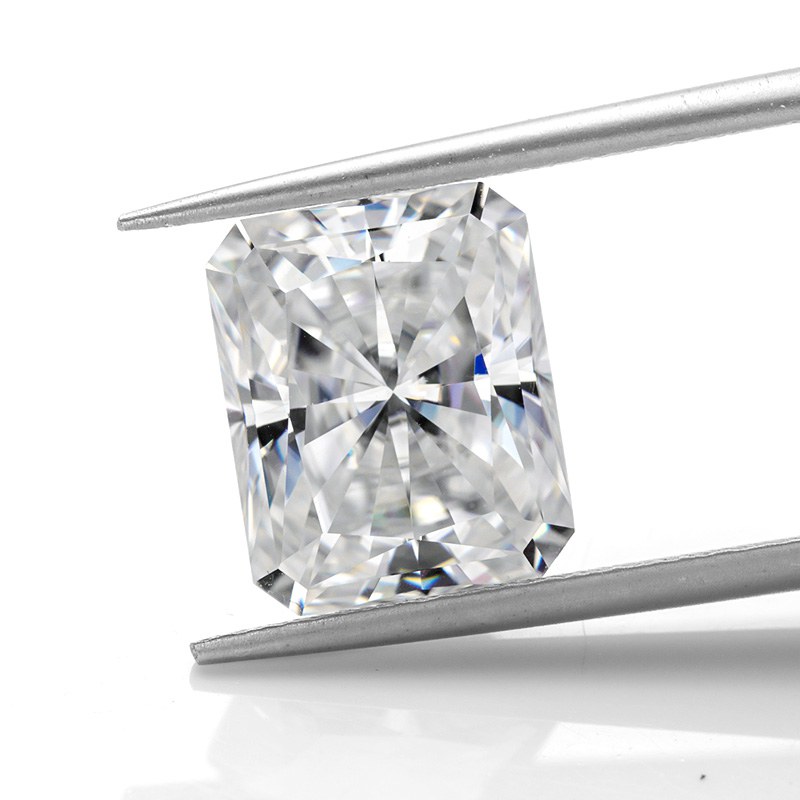
Buying loose gives you control that a finished ring does not. You can examine the actual stone you are paying for — under a loupe, in daylight, from every angle — rather than trusting a photograph of a representative stone. You can compare two or three candidates side by side and choose the one that appeals to you.
It also gives you freedom in the setting. If you already have a family setting, want a design from a local jeweller, or want to commission a setting elsewhere, a loose stone lets you do that. And because you are not paying for a setting from the same vendor, the stone is usually the most economical route to a given size and quality.
Finally, if you are a jeweller, designer or reseller, loose stones are how you actually work. We supply the trade at wholesale pricing with consistent grading, so you can promise your client a specification and receive exactly that.
Shapes, Sizes And Grades We Stock
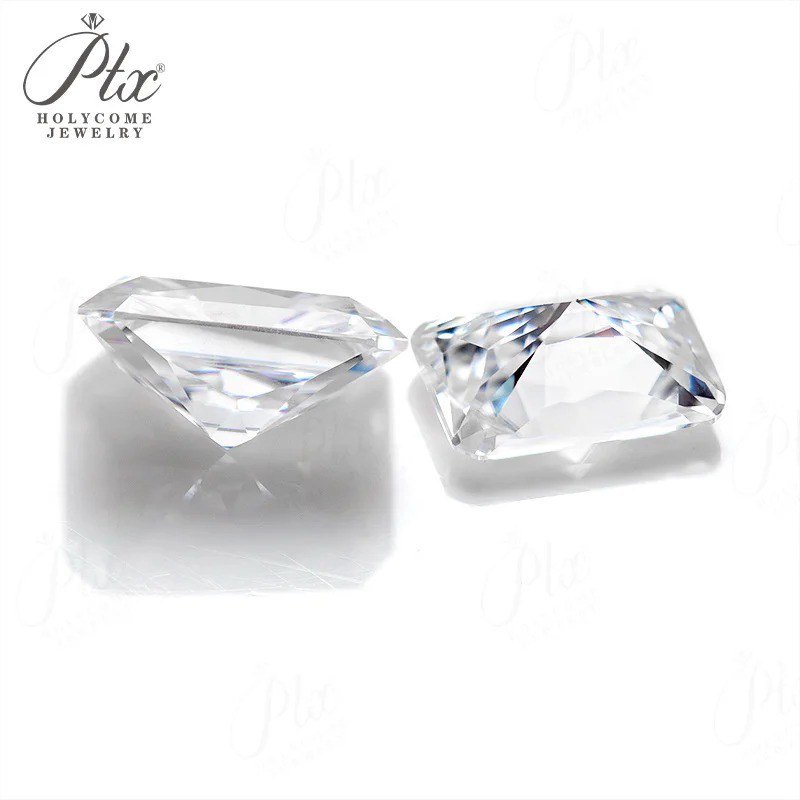
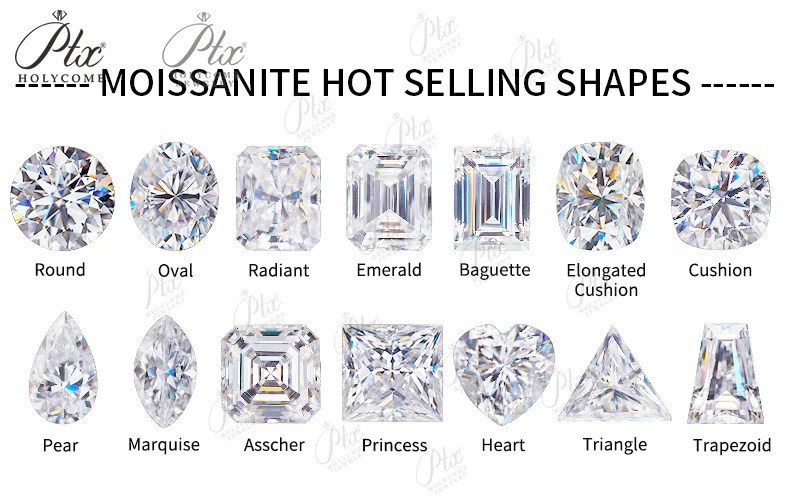
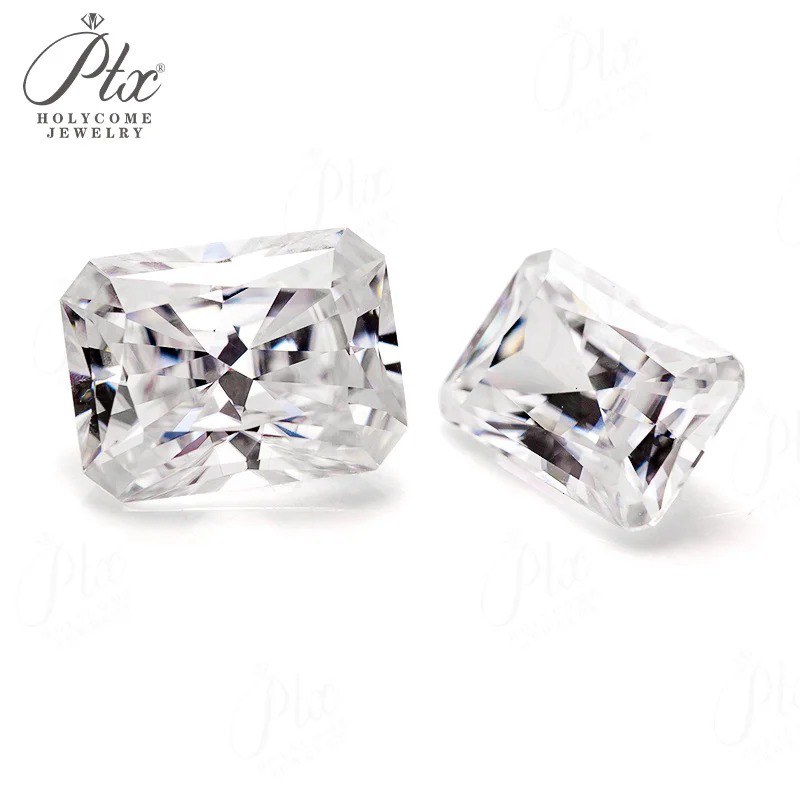
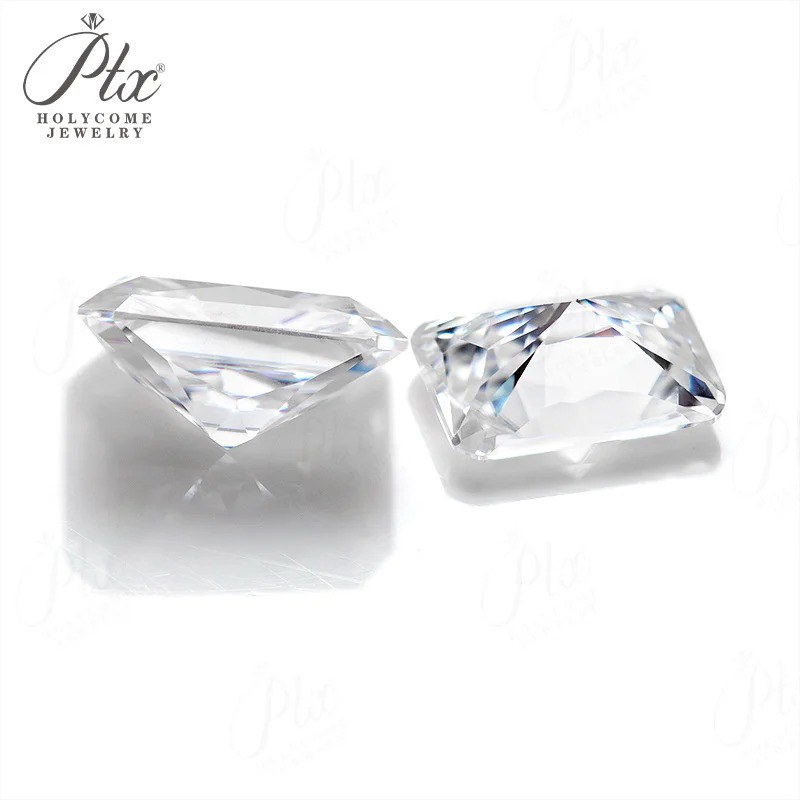
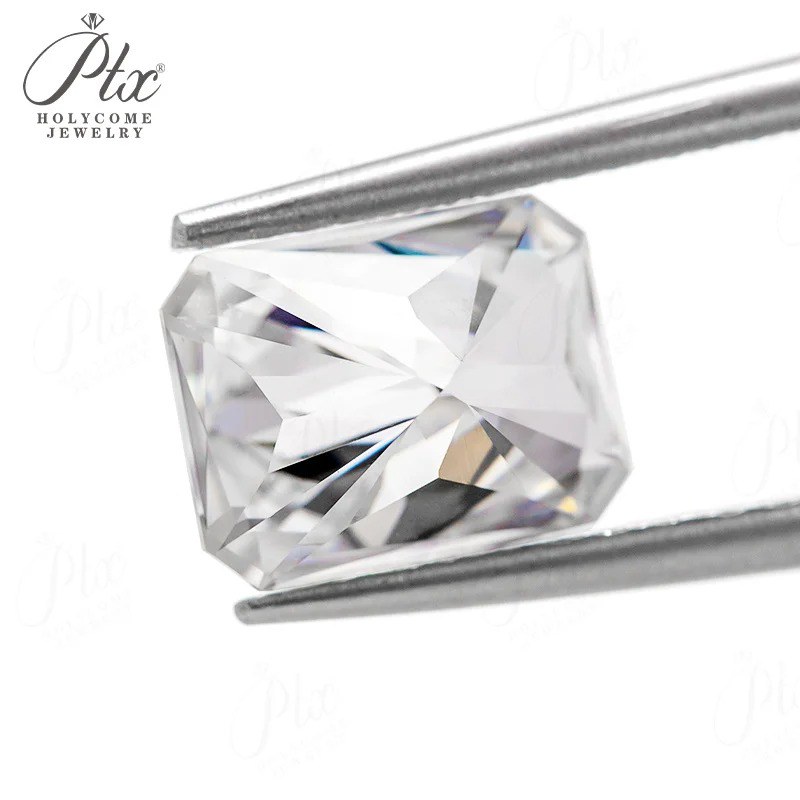
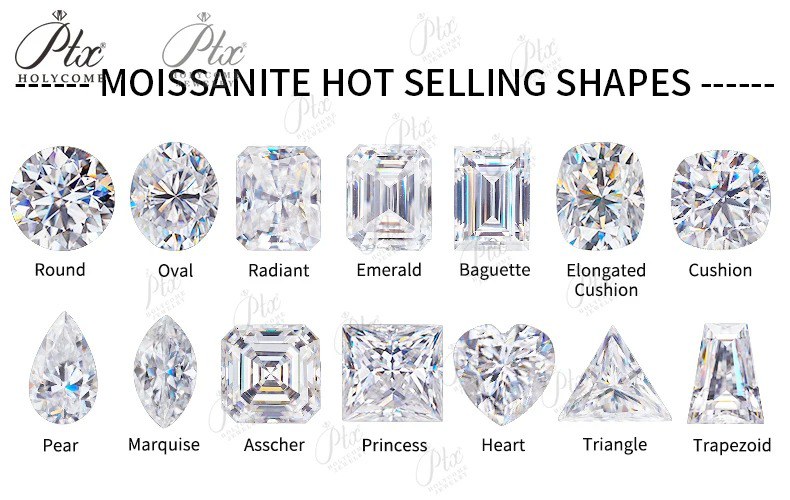
Our loose moissanite range covers 0.5ct to 5ct equivalent, in D-Color VVS1 as standard. Shapes include round brilliant, oval, cushion, pear, emerald, radiant, marquise, princess and heart. Sizes or shapes outside our standard range can be ordered, usually within a week.
Lab grown diamonds are stocked in the sizes and grades listed on each product page, each with its IGI certificate. Because lab grown diamond inventory moves, ask us for current availability in your target size, colour and clarity if you do not see exactly what you need.
Lab grown coloured gemstones — sapphire, ruby, emerald — are available as single stones, matched pairs for earrings, and calibrated sizes for pavé and halo work. For colour-critical projects, send a reference and we will photograph the actual candidates before you commit.
- Moissanite: 0.5ct–5ct, D-Color VVS1, nine shapes, GRA certified.
- Lab grown diamond: IGI certified, listed sizes and grades, availability on request.
- Lab grown coloured gems: sapphire, ruby, emerald, singles and matched pairs.
- Calibrated accent stones for pavé, halos and channel settings.
How To Judge A Loose Stone Before Buying
Start with cut, because cut determines how the stone returns light and therefore how brilliant it looks. A well-proportioned stone with precise symmetry and a clean polish will outperform a higher-colour, higher-clarity stone that was cut carelessly.
Then consider colour. For moissanite, always take D-Color — the cost difference is small and the visual difference above 1ct is clear. For lab grown diamond, match the colour grade to the metal: D–F for white gold and platinum, G–J for yellow gold. For coloured gemstones, look for even saturation across the stone rather than a single vivid patch with darker zones at the edges.
Clarity comes last for most buyers. VS2 and SI1 are eye-clean in stones under a carat and cost materially less than VVS grades for a difference you will never see while wearing the piece. The exceptions are emerald, where inclusions are characteristic and expected, and larger stones where clarity becomes more visible.
Weight is the final consideration, and the one most people over-weight. Carat is a measure of mass, not of visual size, and price per carat rises steeply at 0.50ct, 0.75ct and 1.00ct. A 0.95ct stone of identical quality often costs appreciably less than a 1.00ct stone and looks the same on the hand.
Certificates, Packaging And Insured Delivery
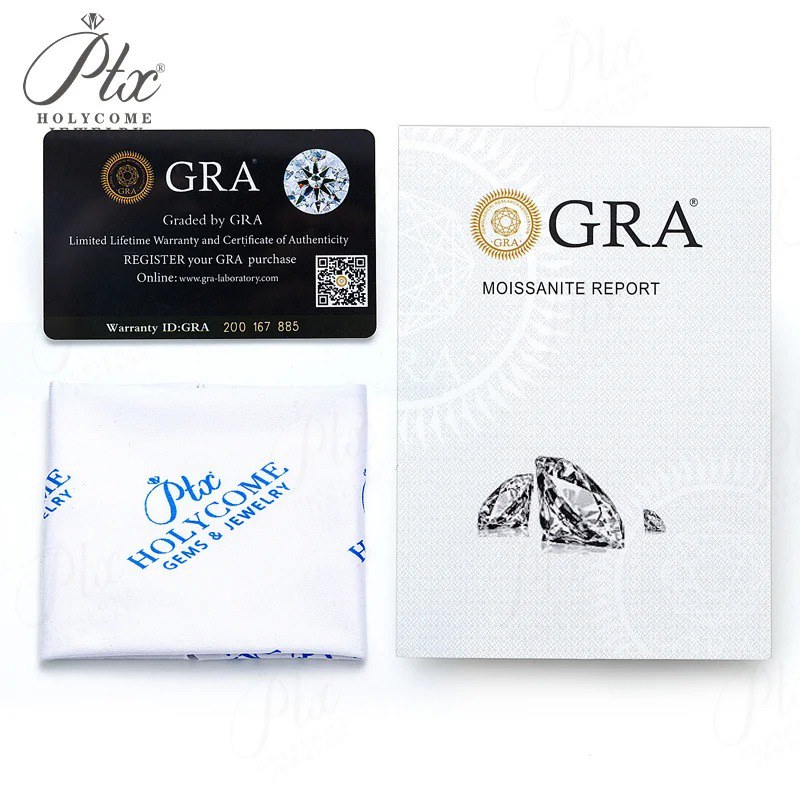
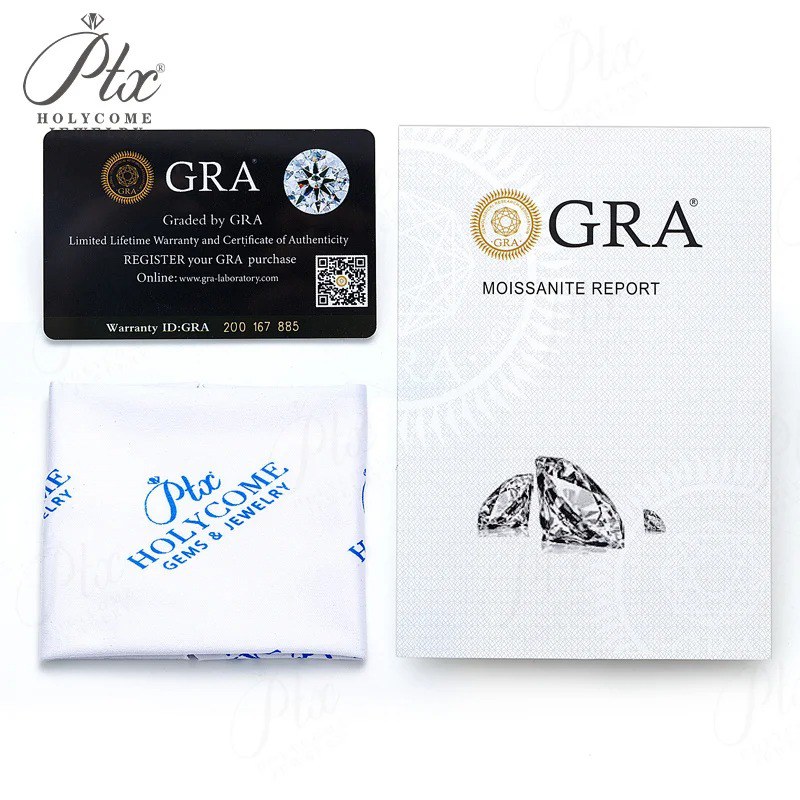
Every loose stone ships with its grading document: GRA for moissanite, IGI for lab grown diamond, and an independent gemological report for coloured gemstones above a certain value. The certificate states carat weight, measurements, colour grade, clarity grade and, where relevant, the laser inscription number.
Stones travel in a sealed gem jar — a clear plastic container with a screw lid and foam insert — which protects the stone and lets you inspect it without handling it directly. The jar is packed inside a padded, tracked and fully insured parcel requiring a signature on delivery.
Keep the certificate with the stone. It is required for warranty service, and if you ever sell the stone, the certificate is what establishes its identity and grade to a buyer. A certified stone is worth more than an identical uncertified one for exactly this reason.
If a parcel arrives with a damaged or incorrect stone, contact us within 7 days with photographs and we will replace it at our cost.
Loose Stones — Frequently Asked
Can I buy a loose stone and have it set locally?
Yes, and many of our customers do. Your stone arrives in a sealed gem jar with its certificate. Any competent jeweller can set it. Take the certificate along so the stone can be verified before and after setting.
What is the smallest and largest loose stone you sell?
Standard stock runs from 0.5ct to 5ct equivalent in moissanite. We also supply calibrated accent stones for pavé and halos. Sizes outside that range can usually be ordered within a week — just ask.
Do loose stones come with certificates?
Yes. Moissanite ships with a GRA report, lab grown diamonds with IGI certification, and coloured gemstones above a certain value with an independent gemological report. The certificate travels in the parcel with the stone.
How are loose stones packaged for shipping?
In a sealed gem jar with a foam insert, packed inside a padded parcel that is tracked, insured for full value and requires a signature on delivery. The jar protects the stone and lets you inspect it without touching it.
Do you offer trade or wholesale pricing on loose stones?
Yes. Retailers, designers and resellers get trade pricing. Email us with your business name, the categories you are interested in and approximate monthly volumes, and we will send a trade price list.
Start A Custom Piece
Have Something Specific In Mind?
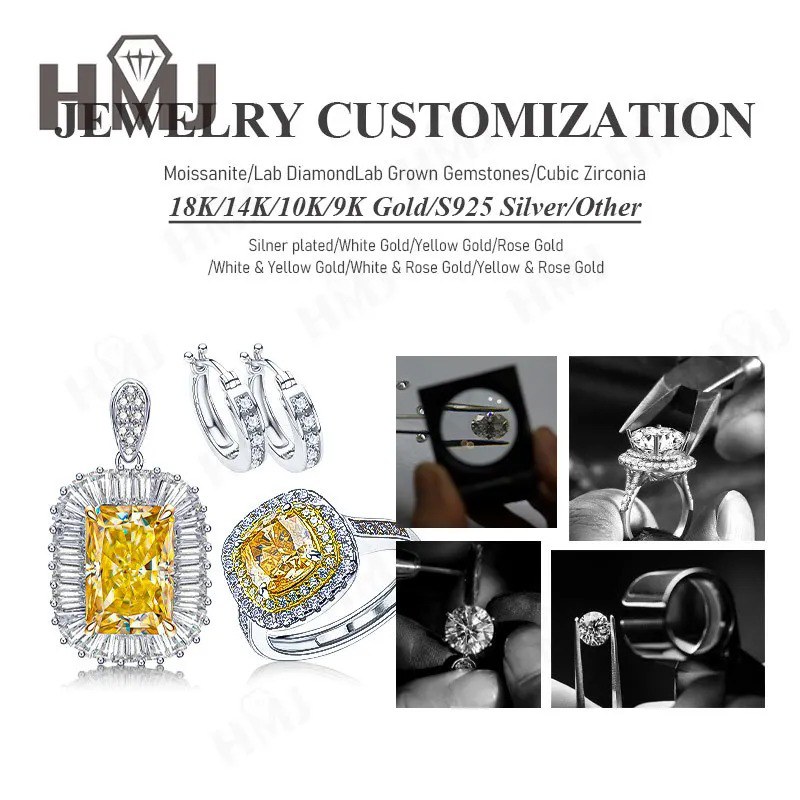
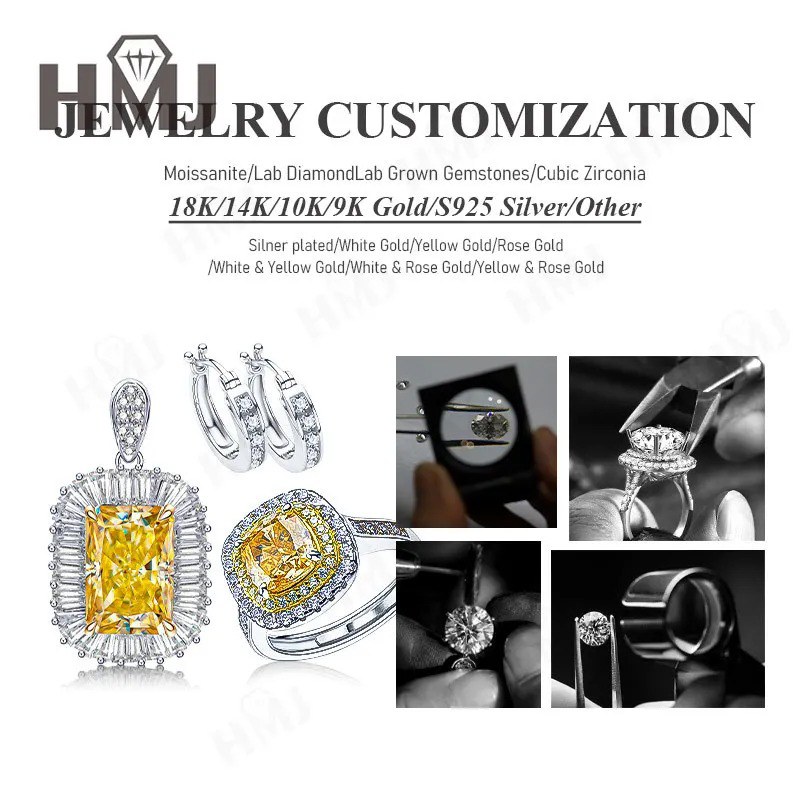
Send us a sketch, a photo or a stone size. We will quote you within one business day and hand-finish the piece in 10–15 days.