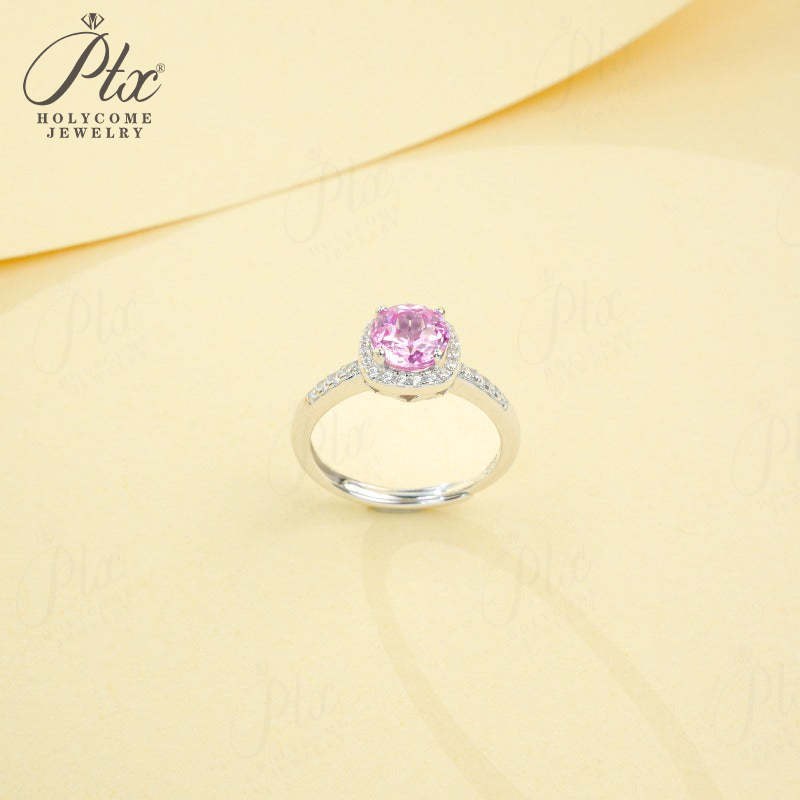
Colour Collection
Lab Grown Sapphire, Ruby And Emerald
Same crystal structure, same hardness, same optical behaviour as mined gemstones — with better clarity and colour at the same price, and no mining involved.
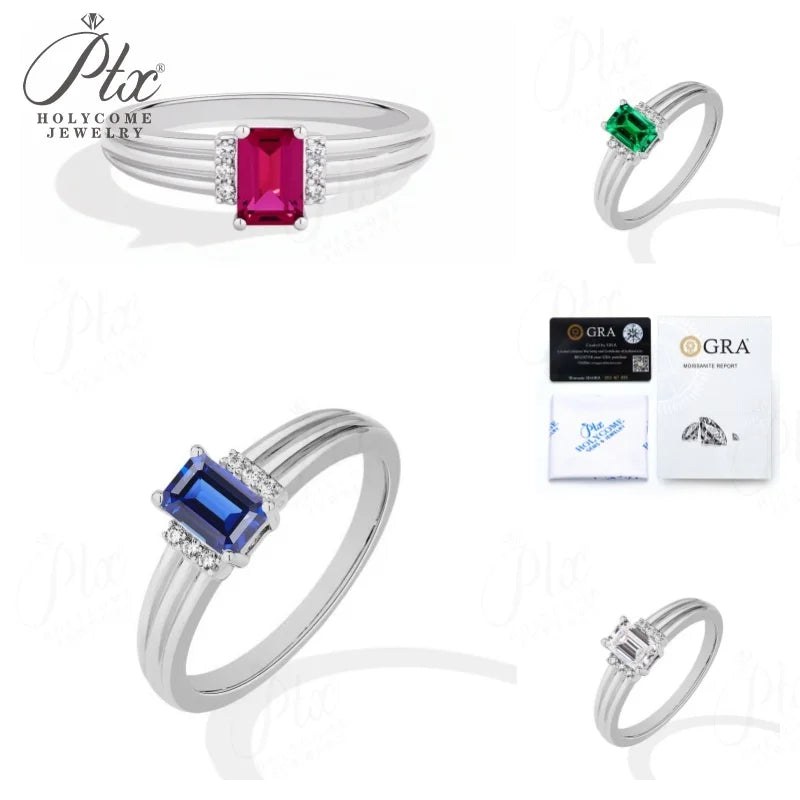
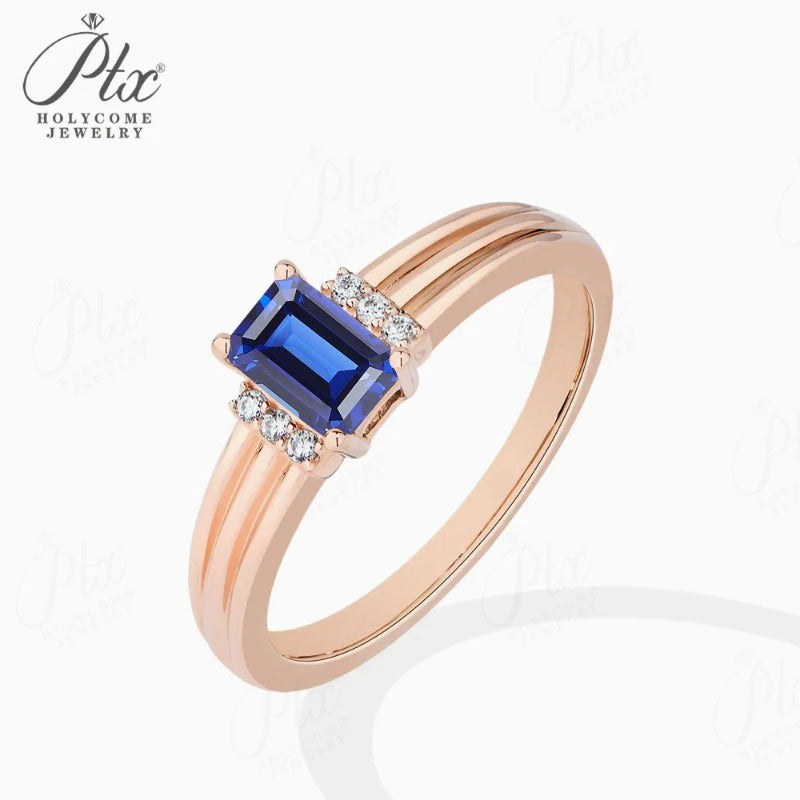
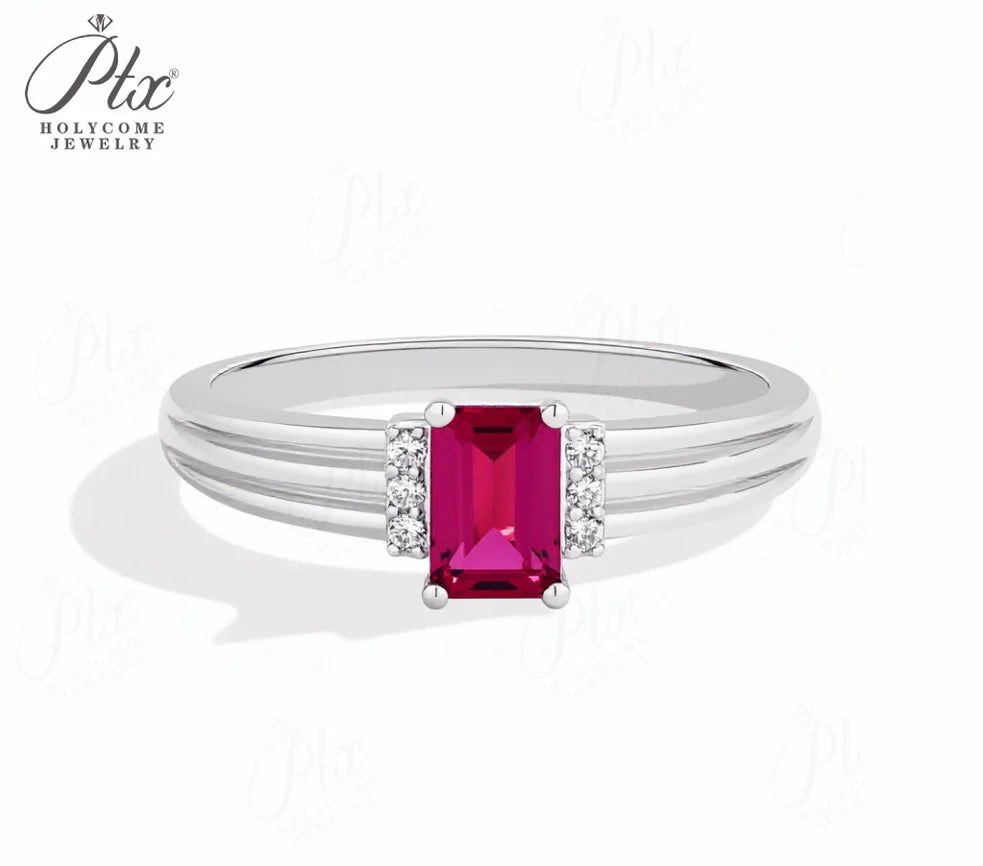
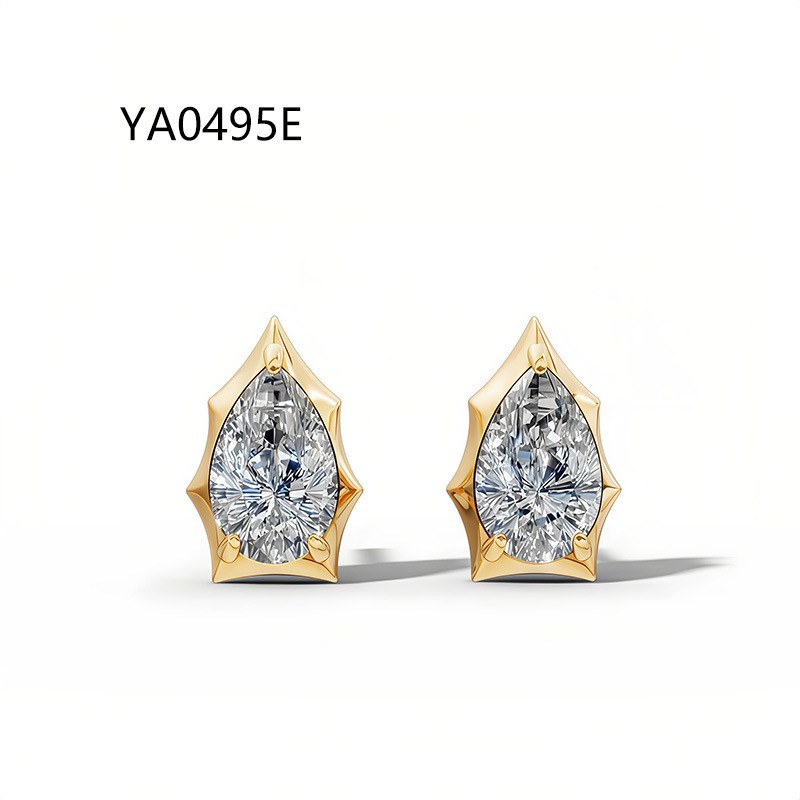
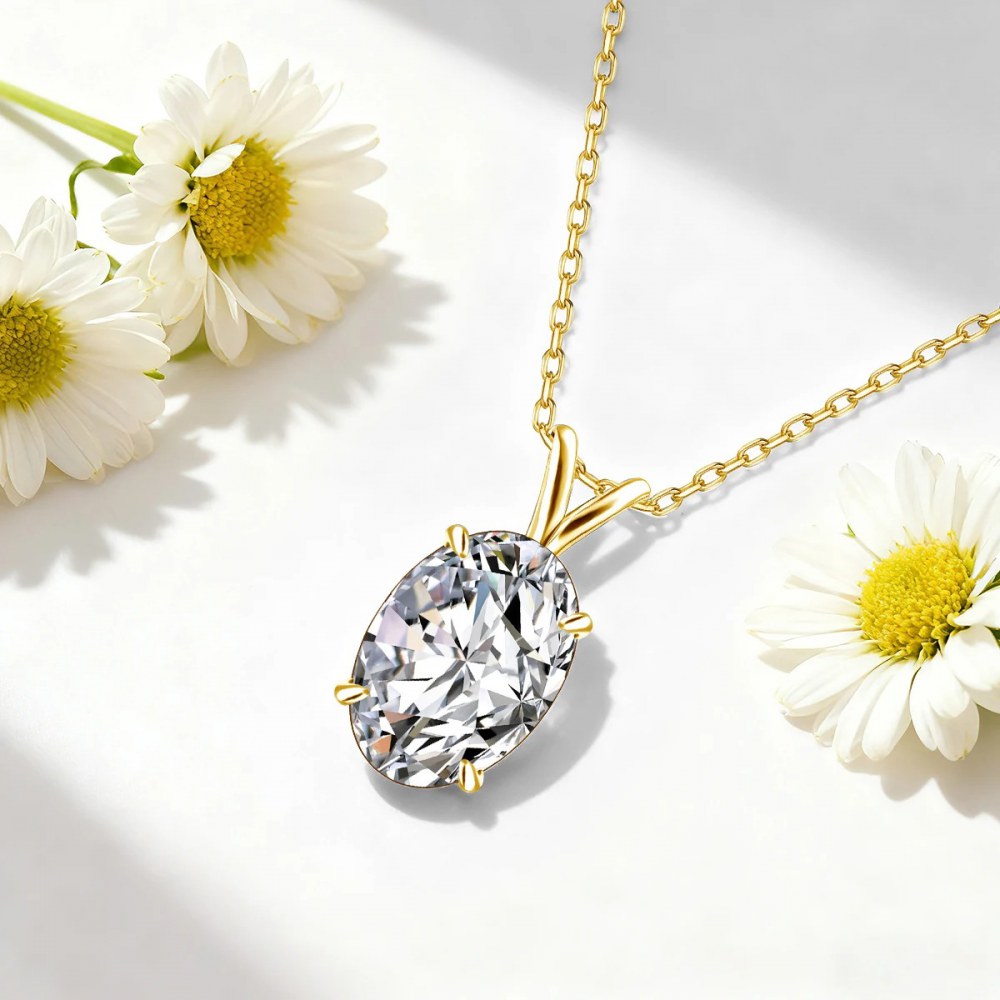
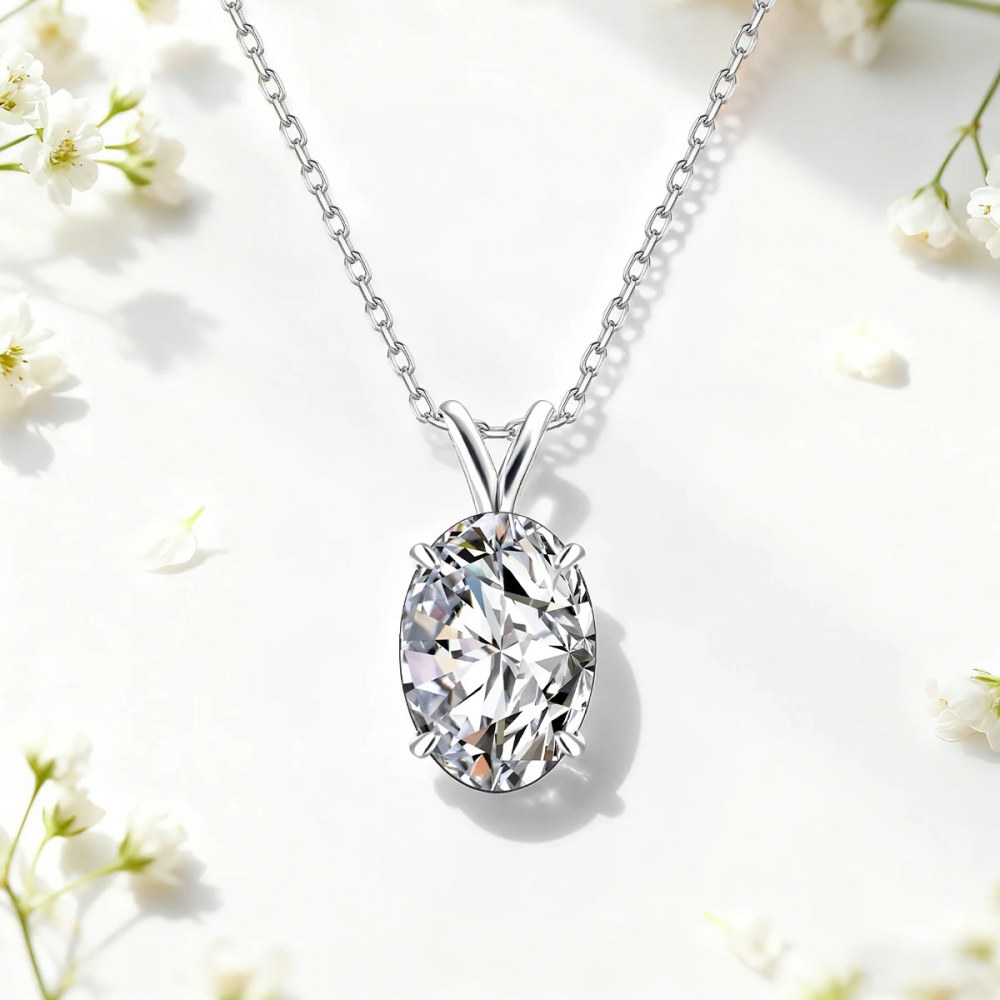
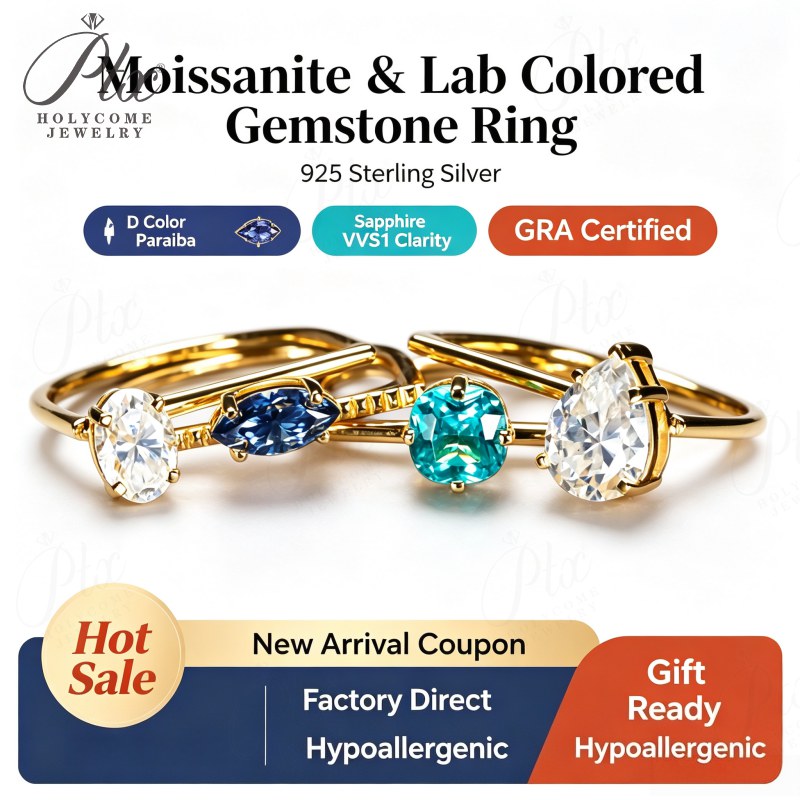
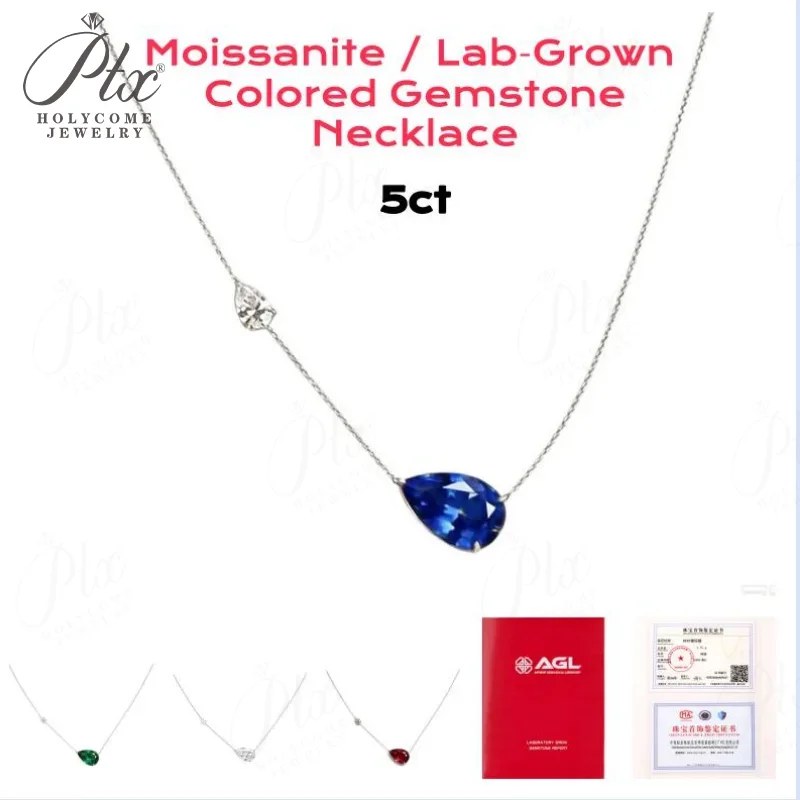
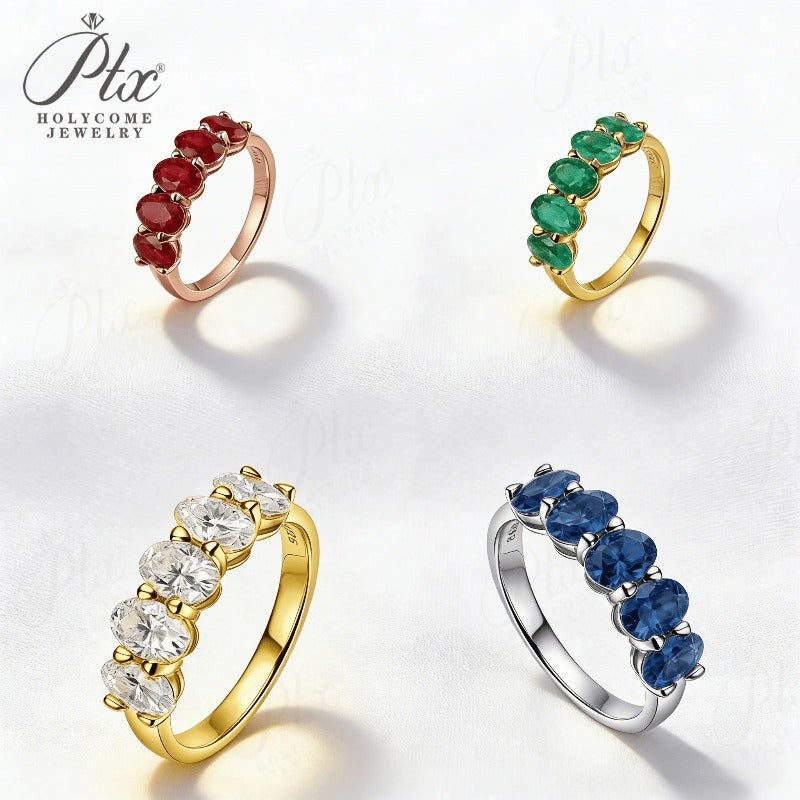
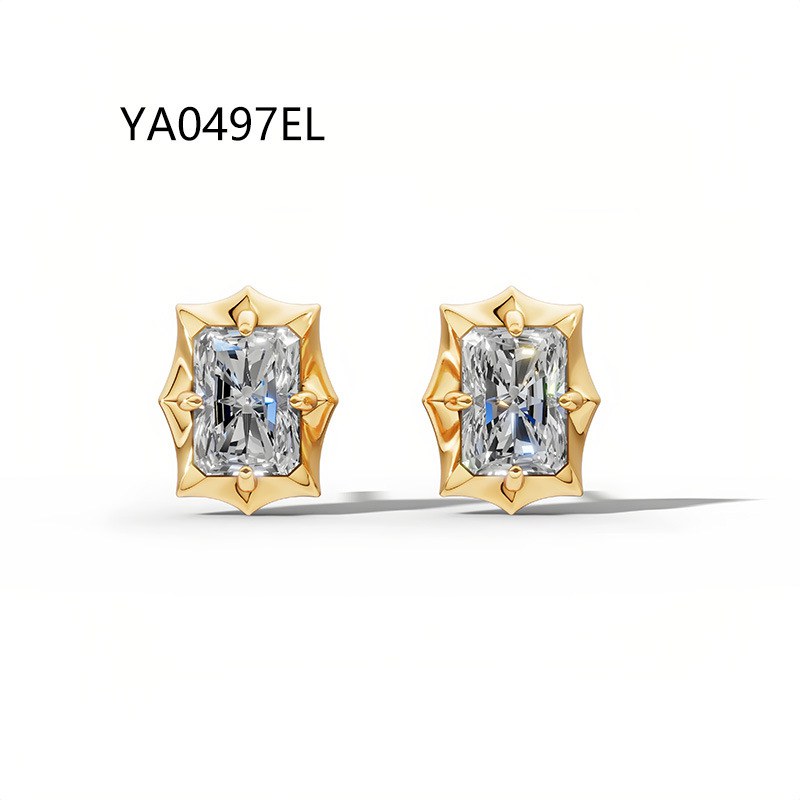
Showing all 17 products
What Lab Grown Gemstones Actually Are
A lab grown gemstone has the same chemical composition and crystal structure as its mined equivalent. Lab grown sapphire and ruby are both aluminium oxide — corundum — with trace elements producing colour: chromium for ruby, iron and titanium for blue sapphire. Lab grown emerald is beryl, coloured by chromium or vanadium.
These are not glass, and they are not coated imitations. They are the genuine material, crystallised in a controlled environment rather than in the earth. Every physical property follows from the chemistry, which is why lab grown sapphire measures 9 on the Mohs scale exactly as mined sapphire does, and why lab grown emerald is exactly as brittle as mined emerald.
The two main growth methods are flame fusion, which is fast and inexpensive, and the flux or hydrothermal processes, which are slower and produce crystals of higher quality. We use flux and hydrothermal material for pieces where clarity and colour saturation matter, which is most of what we sell.
Why Lab Grown Often Looks Better Than Mined
Mined coloured gemstones of any size almost always carry visible inclusions, and the finest untreated specimens command extraordinary prices. A mined sapphire with the even, saturated colour and clean interior of a good lab grown stone might cost ten to fifty times as much.
In a lab, the growing environment is controlled precisely. Temperature, pressure, chemical concentration and cooling rate can all be managed, so inclusions are far fewer, colour is more even, and stones can be produced to a consistent standard order after order.
A trained gemologist can distinguish origin under a microscope by examining growth zoning and inclusion types. To the naked eye in a finished piece, the difference typically favours the lab grown stone — cleaner, more vivid, and considerably larger for the same money.
Choosing A Coloured Stone By Wear
Sapphire and ruby at 9 Mohs are hard enough for anything, including a ring worn daily by someone who works with their hands. Sapphire in particular is the traditional alternative to diamond for engagement rings precisely because of this durability, and it has several decades of precedent behind it.
Emerald is a different proposition. At 7.5 to 8 Mohs it is meaningfully softer, and more importantly it is brittle and often has internal inclusions that make it vulnerable to impact. Emerald is superb in earrings, pendants and necklaces, where it is protected from knocks. In a ring, it should be worn with awareness — a bezel setting helps considerably by surrounding the stone with metal.
For accent stones and halo work, lab grown sapphire in colourless or fancy colours gives you the hardness of sapphire at a low cost per stone, which is why it appears so often in fine jewelry alongside diamond.
- Sapphire (9 Mohs): suitable for any ring, any wear pattern, any setting.
- Ruby (9 Mohs): equally durable, deeper and more saturated colour.
- Emerald (7.5–8 Mohs): best in earrings, pendants and necklaces; bezel-set if worn in a ring.
- Accent stones: colourless and fancy lab sapphire for halos and pavé.
Colour, Treatment And Disclosure
Most mined coloured gemstones on the market are heat treated to improve colour and clarity — this is normal, accepted and should always be disclosed. Lab grown gemstones generally require no treatment because they are grown to specification, though some may be heat treated after growth.
We disclose what every stone is. If a stone is lab grown, we say so on the product page and on the certificate. We never present a lab created stone as mined, and we do not sell stones whose origin we cannot state confidently.
If you need a specific colour match — a particular shade of blue, a matched pair of earrings, or stones to coordinate with an existing piece — send us a photograph and we will source to it and photograph the actual stones before you commit.
Lab Grown Gemstones — Frequently Asked
Are lab grown gemstones real gemstones?
Yes. They have the same chemical composition and crystal structure as mined gemstones — lab grown sapphire and ruby are corundum, lab grown emerald is beryl. They are the genuine material, grown in a laboratory rather than formed underground.
Are lab grown gemstones cheaper than mined ones?
Substantially, particularly at the quality level we sell. A mined sapphire with the even colour and clean clarity of a good lab grown stone can cost many times more. The savings come from not mining, not sorting through tonnes of low-grade rough, and not competing for scarce fine material.
Can lab grown gemstones be distinguished from mined ones?
A gemological laboratory can, by examining growth zoning and inclusion characteristics under magnification. With the naked eye in a finished piece, generally not — and the lab grown stone often looks cleaner and more evenly coloured.
Is lab grown emerald suitable for an engagement ring?
With care. Emerald measures 7.5 to 8 on the Mohs scale and is brittle, so it is more vulnerable to knocks than sapphire or diamond. If you want an emerald ring, choose a bezel or halo setting that protects the stone edges, and remove the ring for gardening, sport and heavy manual work.
Do you offer matched pairs and custom colours?
Yes. Send us a photograph or describe the colour you need and we will source matched pairs or specific shades, then photograph the actual stones for your approval before setting them.
Start A Custom Piece
Have Something Specific In Mind?
Send us a sketch, a photo or a stone size. We will quote you within one business day and hand-finish the piece in 10–15 days.