Holycome TeamOP
January 5, 2026 · 7 min read
How to Choose a Loose Stone Shape for Your Setting
If you are buying a stone before choosing a setting, the shape you pick constrains everything that follows.
13 replies in this thread
Start with the setting you want
A four-prong solitaire suits round, oval, cushion and radiant. A bezel works with anything but adds visual weight, so a smaller stone can look larger. A three-stone setting usually wants a center that is roughly twice the width of the sides.
Match shape to hand
- Short fingers: oval, pear, marquise — all elongate
- Long fingers: round, cushion, princess — balanced and not elongated
- Wide bands: round or square shapes hold their visual weight better
Consider carat efficiency
Shapes that waste less rough cost less per carat. Oval, emerald and pear typically give the best face-up size for the money; round costs the most per carat but delivers the most brilliance.
Order a stone first if you are undecided
Loose stones let you hold the actual size against your hand before committing to a setting. A 0.5ct and a 1ct stone look far more different in person than on a chart.
Related Posts
Authoritative References
For buyers who need to verify the technical and regulatory basis of this guide, the following independent institutions publish authoritative reference data:
- GIA Gem Encyclopedia - independent grading and identification reference for natural and lab-grown gems.
- Wikipedia: Moissanite - peer-reviewed background on moissanite chemistry, optics and history.
What Each Shape Reads Like on the Hand
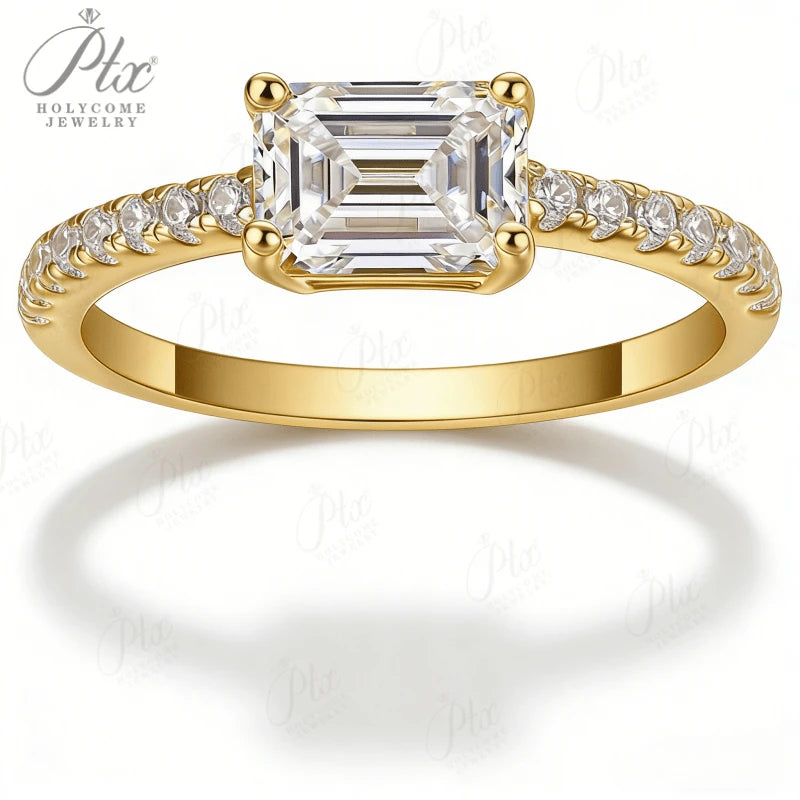
Round brilliant stones are the most traditional choice and hide small inclusions well through their many facets, which is why they carry a cut premium compared with other shapes. Oval and marquise shapes elongate the finger and can look larger for the carat weight, while princess and cushion cuts give a square or soft-square outline with strong fire. Emerald and asscher shapes show long step facets that favor a clean, well-proportioned stone over a highly brilliant one.
Pear and heart shapes are more directional and suit a buyer who wants a distinct, romantic outline; they need a setting that holds the tip securely. Radiant shapes combine a square outline with brilliant-style facets and read well across a range of metal colors. When comparing shapes, look at the stone from the top rather than the side, and check that the outline is symmetrical and the facets meet evenly, because a well-cut shape reads cleaner than a larger but uneven one.
Matching Shape to Metal and Setting
Shape and metal work together: simple solitaire settings let the stone shape speak for itself, while halo and pavé settings add detail around the outline. Yellow gold often suits warmer, softer cuts, while white gold or platinum sharpens the contrast on brilliant shapes. The setting's prongs should follow the shape rather than cover an important facet, and for elongated shapes the band should sit balanced so the stone does not tilt on the finger.
Before ordering the loose stone, confirm the setting you plan to use, because the shape decides the basket, prong placement and gallery width. If you are still choosing between shapes, order the stone against a few setting sketches or CAD renders so you can see how the outline reads in the final mounting rather than judging the loose stone on its own.
Frequently Asked Questions
Which stone shape looks the largest for the carat?
Elongated shapes such as marquise, oval and pear spread their weight along the finger and often look larger than a round stone of the same carat. A flat, shallow cut can also appear wider, but depth and proportions matter for light return, so compare both the spread and the cut rather than size alone.
Which shape is most forgiving of small inclusions?
Round brilliant and other many-facet cuts hide minor inclusions better than step-cut emerald or asscher shapes, where a clean center is easier to read through the long facets. If clarity is a concern, a brilliant-style shape usually gives a cleaner face-up appearance for the grade.
Do different shapes cost the same?
Not always. Round brilliants commonly carry a cut premium because of the yield from rough and the demand for the style, while many fancy shapes can be priced lower per carat. Cut quality, symmetry and grade still move the price more than the shape name alone.
Should I choose the shape before the setting?
It is best to decide the setting outline first, because the mounting's prongs, basket and gallery are built around the stone shape. If you buy the loose stone first, keep the setting style flexible and confirm the stone's measurements match the intended mounting before production.
Checking Symmetry and Light Return
Once the shape is narrowed down, look at the stone face-up for symmetry: the outline should be even on both sides, the corners should match, and the facets should meet cleanly without a lopsided table or a tilted crown. Watch how light returns across the top of the stone. A well-cut shape shows even sparkle rather than a dark window or a large empty area in the center, and it should read balanced from a normal viewing distance rather than only under a single bright light.
Elongated shapes can show a bow-tie shadow across the center if the cut is shallow or uneven, so inspect the stone along its long axis before ordering. Round and cushion shapes are more forgiving of minor symmetry differences, while emerald and asscher cuts make small proportions easier to read. If photos do not show these details clearly, ask for a short video or a sample stone so you can judge the light return in person before the setting is made.
The Ordering Process for a Loose Stone
For a custom or wholesale order, choose the setting outline first, then source the loose stone to fit that mounting. Confirm the basket width, prong spacing and gallery measurements with the workshop, and check that the stone's depth and girdle thickness work with the planned band. If you are still deciding between two shapes, order the stones as samples or compare CAD renders against the setting before committing to production.
When the stone arrives, match the report number, measurements and grade to the listing, and inspect the outline and light return in daylight as well as under indoor light. Keep a little room for remounting: if the shape or proportions later call for a different setting, a stone with clean proportions is easier to reset than one cut to a single mounting. Document the stone's measurements and report with the order so any future resize or remount can be planned around the actual piece.
Budget and Carat Considerations
Shape changes how much stone you see for the carat weight, so a budget that buys a smaller round may buy a larger oval or marquise. Carat efficiency matters when the goal is a certain face-up size, but it should not come at the cost of a well-proportioned cut. A slightly smaller, well-cut stone usually reads more brilliant than a larger, uneven one, and that difference shows up more clearly on the finger than the carat number alone.
When comparing options, balance the stone's size against the setting and the wearer's hand rather than chasing a target carat in isolation. A shape that flatters the hand and sits cleanly in the mounting will wear better than one that only looks large on paper. Keep the price, report and measurements together for each option so the final choice can be checked on facts rather than a single number.
Final Take
The best shape is the one that flatters the finger, fits the setting and returns light evenly, rather than the shape with the most recognisable name. Start from the planned mounting, narrow the options to two or three outlines, and compare symmetry and light return face-up before deciding. Carat size matters, but a well-proportioned stone reads better on the hand than a larger cut that is uneven or shallow.
When ordering a loose stone for a custom piece, keep the setting measurements, the report and the stone's dimensions together so the workshop can build the mounting around the actual stone. If you are unsure between two shapes, compare samples or CAD renders against the setting first, and document the chosen stone's measurements so any later resize or remount can be planned around the finished piece.
Join the thread. Ask a sizing, setting or sourcing question and the bench answers.
Post a questionWritten By
Holycome Team
Gemologists and setters at our own workshop. We have been cutting moissanite and lab grown stones since 2013.