Jewelry Forum Hub TeamOP
October 7, 2026 · 6 min read
Necklace Chain Lengths and Necklines: Quick Reference
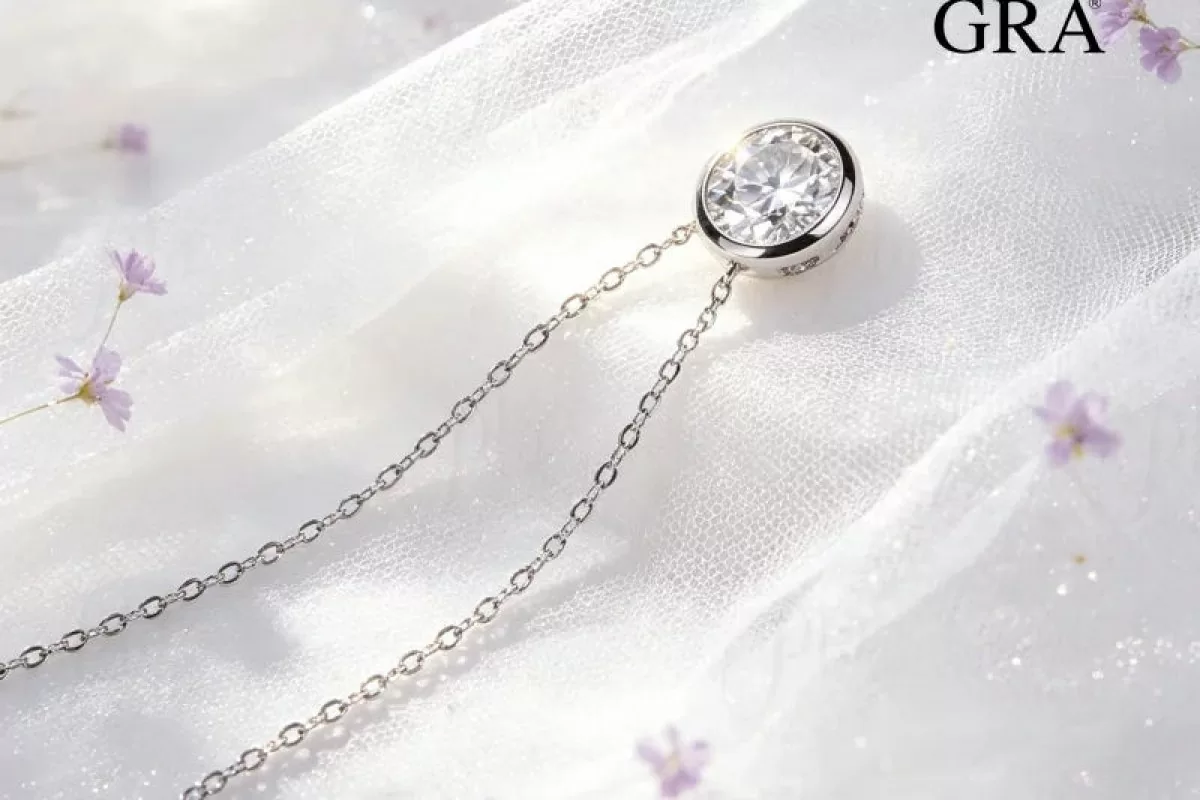
Guide post. I got tired of guessing what length chain for a V-neck and returning pendant after pendant. This is a plain reference: where common lengths actually land on an average neck, what neckline each works with, and the layering rules owners have settled on. Bookmark it; pin it if you stock chain by the inch. If your neck measurement differs, the adjustment is noted at the bottom.
7 replies in this thread
Where each length lands
14 inches (collar): sits tight against the base of the neck. Best with off-shoulder, boat-neck, and turtleneck lines. Choker-style. 16 inches (princess-short): sits at the collarbone. The most versatile everyday length; works with crew, V, and scoop. 18 inches (princess): falls just below the collarbone, the default pendant length most people picture. Pendants land right at the top of a V-neck or scoop. 20 to 22 inches (matinee-ish): lands at the sternum; pairs well with deeper V-necks, button-downs open at the collar, and layering. 24 inches and longer: falls below the collarbone toward the bust; good over turtlenecks and as a long layering piece. The Wikipedia necklace length framing aligns with these traditional naming bands; note that regional naming varies by a couple of inches.
Matching length to neckline
Crew neck: a 16-18 inch chain sits above the neckline cleanly; longer chains vanish into the fabric. V-neck: let the pendant land at or just above the point of the V - that is usually 18-20 inches; a short chain floats awkwardly above the opening. Off-shoulder/bardot: a 14-16 inch collar draws the eye to the bare shoulder line. Turtleneck: long chains (24 inches plus) work; short chains disappear against the high neckline. If you are layering chains, the tangle problem is real - see how owners solved it in stacking-necklace-chain-lengths. For ring layering logic that mirrors necklace layering, see stacking-ring-width-combinations-that-work.
Layering without the tangle
Rule one: chain lengths must differ by at least 2 inches, ideally 3, or they hug each other and knot. Rule two: different weights - a thin cable next to a thicker rope sits better than two thin chains. Rule three: use a spacer or a shorter anchor piece (a choker or collar) so the longer chains have room to hang. Owners report two to three layered chains is the comfortable ceiling; four or more tangles unless they are all different weights. Birthstone pendants layered as gifts are common - see what buyers actually pick in birthstone-meanings-what-buyers-actually-pick, and keep the chains clean with the same gentle method in engagement-ring-home-cleaning-safe-methods. Daily wear on thin chains means links wear; silver-specific notes live in silver-jewelry-daily-care-routine-owners-share.
FAQ: chain lengths
Q: What is the most popular women chain length?
A: 18 inches is the default seller - it sits on the collarbone and works with most necklines. 16 inches is a close second for finer necks.
Q: How do I measure my neck for the right length?
A: Measure around the base of the neck with a tape. Add 2 inches for a snug 16-inch, 4 inches for 18. Pendants change the hang slightly - add a little if the pendant is heavy.
Q: What length chain for a man pendant?
A: 20-24 inches is the common starting range; 18 sits at the collarbone on most men, 24 lands mid-chest. Measure the neck and add accordingly.
Q: How many chains can I layer without tangling?
A: 2-3 works; keep lengths 2-3 inches apart and vary weights. Beyond that, most owners give up and remove one.
Stockists: pin this length chart by your chain display. Owners, post your go-to length and the neckline it never fails with.
Measuring your existing chains
Before buying a new length, measure the chains you already own and note which ones you actually reach for. Most people find they wear one length 80% of the time - often 18 inches - and the other lengths sit in the box. That tells you your default length to stock or repeat. For pendants, the bail size matters too: a thick bail will not slide over a thin chain's clasp, so check both when buying online. Layering works best when the chains are different weights and at least 2 inches apart in length; a short 16mm cable and a longer 24mm rope read as intentional, while two 18mm thin chains knot within a day. Store layered chains clasped together to avoid tangling overnight.
Quick rule of thumb: shorter for open necklines, longer for high necklines. A 16-18 inch chain is the default that works with most tops; 20-24 inches for deep Vs and turtlenecks. When layering, keep chains 2 inches apart in length and vary the weights, and store them clasped together so they do not knot overnight. That is the whole reference.
If you are unsure between two lengths, size up - a slightly longer chain can always be shortened, while a short one cannot be lengthened.
Choosing Chain Length By Face And Neck Shape
Neckline is the first rule, but face and neck proportions change what flatters. A longer chain that falls to the collarbone or just below it draws the eye downward and can balance a rounder face, while a shorter choker-style chain shortens the vertical line and works best on a longer neck. If you have a short neck, a medium length that sits just below the throat reads more open than a tight chain close to the skin.
For a narrow or long neck, a chain that lands around 16 to 18 inches sits comfortably without stretching the silhouette, and a small pendant adds weight that keeps the chain from lying flat against the skin. When in doubt, try the length against your neck in front of a mirror before ordering, since the same chain can land an inch higher or lower on different body types.
Pendant Weight And Chain Strength
A heavier pendant pulls the chain down and changes where the length sits, so a larger stone or a thick charm needs a slightly stronger chain rather than a longer one. Curb and cable chains hold heavier pendants well, while fine trace or snake chains are better for small, light charms. If the pendant sits off-center or twists on the chain, the weight may be too much for the link size, and a heavier gauge chain will lay flatter.
When layering several chains, keep them about two inches apart in length so pendants do not overlap, and mix a heavier chain with a lighter one to keep the stack from looking uniform. Store layered chains clasped together so they do not tangle overnight, and check the clasp and links after a year of regular wear, since thin chains can stretch where the pendant hangs.
Frequently Asked Questions
What chain length works for most necklines?
An 18-inch chain is the most versatile everyday length: it sits at the collarbone and works with crew, V-neck and off-the-shoulder tops. For a closer fit, go 16 inches; for a longer layering piece, go 20 inches or more.
How do I measure my neck for a chain?
Wrap a soft tape measure around the base of your neck where the chain will sit, then add two to four inches to get a comfortable length. If you prefer a snug fit, add less; if you like the chain to fall lower, add more.
Can a chain be shortened after purchase?
Most cable and curb chains can be shortened by a jeweler by removing a few links and reattaching the clasp, but snake and very fine trace chains are harder to shorten cleanly. If you are between two lengths, size up because a longer chain can be taken in, while a short one cannot be lengthened.
What chain length suits a wedding or formal neckline?
A 16 to 18-inch chain with a small pendant or a simple solitaire reads cleanly against formal wear, and it pairs with a higher neckline. For a deeper evening neckline, a 20-inch chain or a longer pendant can follow the line of the dress without crowding the neck.
Join the thread. Ask a sizing, setting or sourcing question and the bench answers.
Post a questionWritten By
Jewelry Forum Hub Team
Gemologists and setters at our own workshop. We have been cutting moissanite and lab grown stones since 2013.