Jewelry Forum Hub TeamOP
October 2, 2026 · 5 min read
Birthstone Rings: Which Stones Chip Easiest
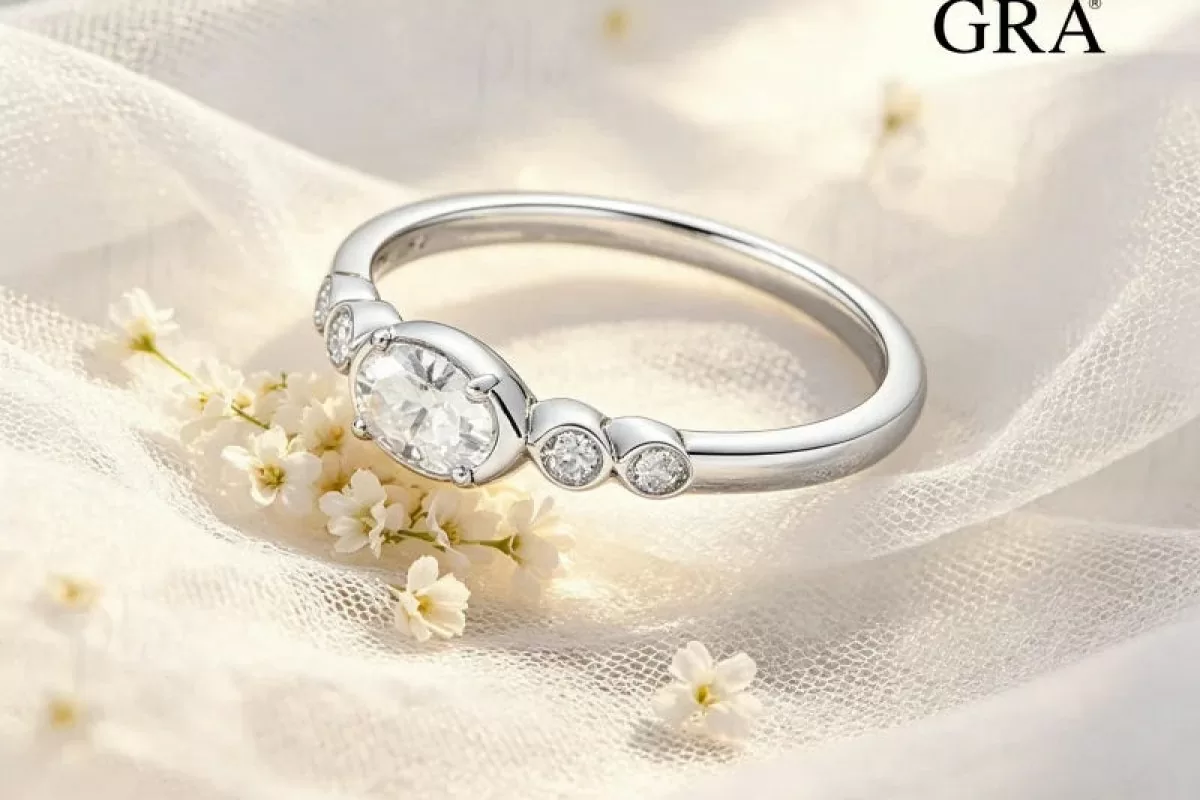
A birthstone ring looks like the most personal gift you can give, until January's garnet is fine by March but July's ruby is chipped and October's opal is cracked. Not every birthstone belongs on a ring finger. We ranked them by what actually survives daily wear, using Mohs hardness plus the toughness factor a hardness number alone does not tell you.
4 replies in this thread
The distinction hardness alone misses
Mohs hardness tells you resistance to scratching; it does not tell you toughness, which is resistance to chipping and breaking. Emerald is 7.5 to 8 on Mohs but has internal fractures that make it one of the most chip-prone ring stones, while sapphire at 9 is both hard and tough. The gemstone durability overview and the GIA durability guidance both separate scratch resistance from breakage. That gap is where birthstone rings get into trouble.
The birthstones that handle a daily ring
Hard, tough, safe for an everyday ring: April diamond, September sapphire, July ruby, and the modern alternative moissanite. These shrug off knocks and only need an occasional check. January garnet and August peridot sit around 6.5 to 7 and survive a careful daily ring with a protective setting, though they will scratch faster than sapphire. We covered everyday-wear durability more broadly in birthstone daily wear durability.
The ones that chip or crack fastest
The trouble group: opal (October, 5.5 to 6.5 and hydrates, so it cracks if it dries out), pearl (June, 2.5 to 4 and reacts to perfume and lotion), turquoise (December, porous and soft), and emerald (May, 7.5 to 8 but heavily included). These chip, crack or dull within months on a working finger. They are lovely on pendants and earrings that bump less, but on a ring finger they need a bezel setting and gentle handling. March aquamarine at 7.5 to 8 is safer than people expect, while February amethyst at 7 is fine if not bashed.
The takeaway is to match the setting to the stone: bezel settings that cup the stone save soft birthstones from edge chips, while prong settings leave corners exposed. The full ranking by scratch resistance is in the gemstone hardness chart for daily wear.
The numbers behind the ranking matter. On the Mohs scale, diamond and sapphire sit at 9 to 10, ruby with sapphire at 9, garnet and peridot around 6.5 to 7, and opal and pearl down near 5.5 and 2.5. But Mohs is a scratch scale, not a break scale, which is why a 7.5 emerald still chips worse than a 7 amethyst. Toughness is the hidden half. Heavily included stones like emerald crack along internal fractures when knocked, even though the crystal itself is hard. That is why a bezel matters more for emerald than for garnet, even though their hardness numbers look close on paper. We also ranked what buyers actually pick for meaning in the birthstone meanings thread, separate from durability.
FAQ: chipping birthstones
Q: Which birthstone breaks most easily in a ring?
A: Emerald and opal top the list. Emerald chips along internal fractures; opal is soft, can dehydrate and crack. Pearls and turquoise are too soft for daily ring wear.
Q: Is my birthstone just too soft for a ring?
A: If it rates below about 7 on Mohs, treat it as occasional-wear. You can still wear it on a ring in a protective bezel, just not through gym, gardening or housework.
Q: Does a bezel setting really prevent chipping?
A: Yes. A bezel wraps the stone's edge in metal, taking the knocks that would chip corners. Prongs leave edges exposed, which is risky for softer stones.
Q: Can I replace my birthstone with a harder lookalike?
A: Many people pick a harder stone in the same color, such as spinel or sapphire in the birthstone's hue, to keep the meaning while gaining daily-ring durability.
How does this play out in actual daily life? An opal ring worn as an everyday piece cracked for one owner after a door frame bumped it at waist height; the same knock on a sapphire left nothing. A pearl ring string stretched and dulled within months because perfume was sprayed near it daily. On the other side, a garnet and an amethyst, both around 7 on Mohs, survived years of normal wear with only light scratches that polished out. The pattern is clear: below about 7 plus an internal-fracture history, treat the stone as occasional. Between 7 and 8 without heavy inclusions, it can be a careful daily ring. At 9 or above, it is essentially care-free. The bezel setting is the cheapest insurance for anything in the soft middle group.
For retailers: when someone orders a birthstone ring, flag the soft ones and offer a bezel setting up front. It prevents the chipped-emerald return and the this-looked-tougher-online complaint, and it makes the piece last long enough to actually become an heirloom.
Frequently Asked Questions
What ring sizes can you supply in bulk?
US sizes 5–12 including half sizes. Send a size breakdown with your order and we cast to that curve; comfort-fit inner bands reduce resize requests.
Can I order a mixed size run instead of one size?
Yes. Mixed runs are standard for wholesale: specify quantity per size and we pack and label by size at no extra labor cost.
What is the MOQ for custom ring designs?
50 pieces per design for existing molds; 100–300 pieces when a new mold or CAD model is required.
How should I price rings for retail margin?
Most partners use a 3–4x markup on FOB cost for sterling and 2.5–3x for moissanite solos, which keeps landed cost under 30% of retail.
Join the thread. Ask a sizing, setting or sourcing question and the bench answers.
Post a questionWritten By
Jewelry Forum Hub Team
Gemologists and setters at our own workshop. We have been cutting moissanite and lab grown stones since 2013.