Jewelry Forum Hub TeamOP
September 16, 2026 · 5 min read
Birthstone Jewelry: Which Ones Actually Hold Up Daily?
Birthstone jewelry is a sentimental favorite, but birthstone and daily-wear ring are not always the same category. This guide ranks the 12 standard birthstones by Mohs hardness plus owner reports from people who actually wear them to work.
5 replies in this thread
The durability tier list
Tier 1 (7-10, daily-wear safe): diamond (10), ruby and sapphire (9), spinel (8), topaz (8), aquamarine (7.5-8). These shrug off hand-washing, desk work, and the occasional counter bump. Ruby and sapphire are the workhorses of the birthstone world - July and September wearers have the easiest time.
Tier 2 (6.5-7, careful daily wear): amethyst (7), citrine (7), garnet (6.5-7), peridot (6.5-7). Scratch-resistant enough for a pendant or earrings, but on a ring they will pick up micro-scratches over a year. Owners report amethyst fading slightly after years of direct sun.
Tier 3 (below 6.5, occasions only): pearl (2.5-4), opal (5.5-6.5), moonstone (6-6.5), turquoise (5-6), emerald (7.5-8 but heavily included). Emerald is the trap: it's hard on paper but full of fractures that catch knocks. Opal and pearl react badly to lotion, perfume, and dish soap.
What owners actually report
u/SeptSapphire: my blue sapphire has been on my right hand for 4 years. I wash dishes with it on. No scratches.
u/MayEmerald: I wore my emerald ring daily for 6 months. A chip appeared on the girdle from opening a jar. Now it's an out-and-about piece, not a kitchen piece.
u/JunePearl: pearls on a ring? Bad idea. The surface dulled in a year. Pearl studs still look fine because they live in the ear.
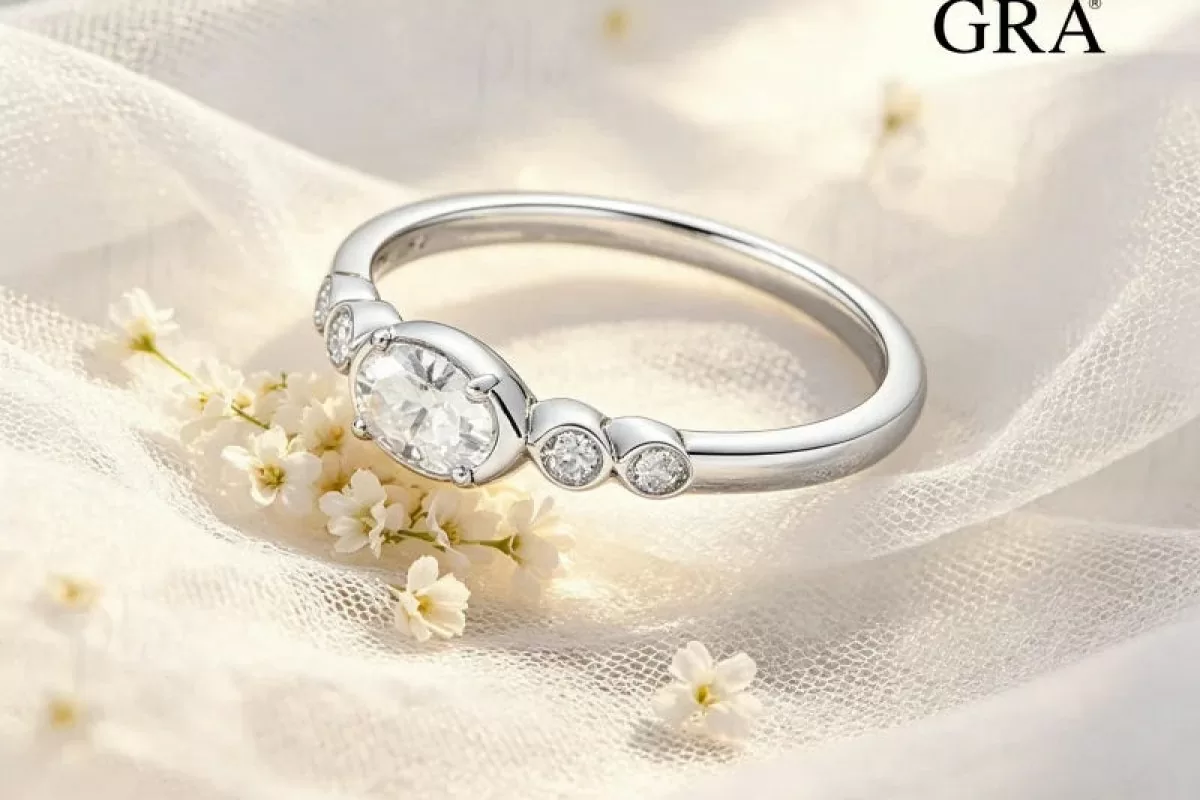
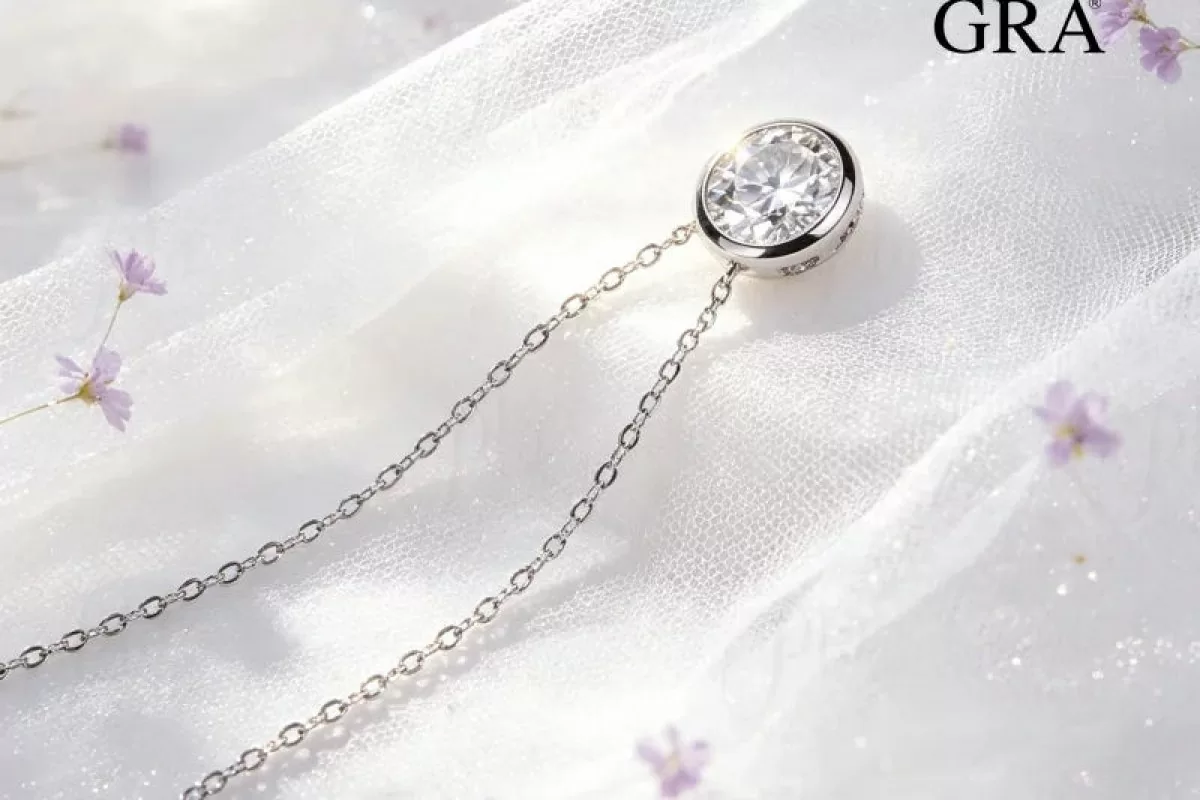
The Mohs scale is the right frame here, and the Wikipedia Mohs scale reference is the cleanest single-page summary. For setting choice, a bezel protects softer stones far better than prongs. If you want a daily-wear alternative that skips the durability lottery, moissanite at 9.25 sits in Tier 1 regardless of birth month.
Care by tier
Tier 1: warm soapy water, occasional ultrasonic. Tier 2: hand wash only, no ultrasonic if included. Tier 3: wipe with a damp cloth, store separately, apply perfume and lotion before you put the piece on. The cleaning methods thread has the specific mistakes owners make on softer stones - toothpaste and boiling water are the two that show up most.
For travel, even Tier 1 pieces benefit from a padded roll; see the travel storage thread. And if you're stacking a birthstone next to a wedding band, the band stacking guide covers which stones survive metal-on-metal wear.
The birth-month trick nobody warns you about
If your birthstone lands in Tier 3, you do not have to skip it. You just have to choose the right jewelry form. December turquoise looks great as earrings and a pendant, where it never knocks against a counter. February amethyst survives as a ring if you accept that it will develop a soft patina of micro-scratches over a few years - most owners find that patina makes the stone look richer, not older.
A second nuance: two people born in the same month can have very different lifestyles. A teacher who types 8 hours a day and a construction worker who handles stone all day should not buy the same ring. The tier list is a starting point; your actual hand-use decides the rest. When in doubt, ask the jeweler which setting protects the stone best - a bezel covers the girdle, where chips start, and costs only a little more than prongs.
For gifting, this is also the difference between a present that gets worn daily and one that lives in a box. A Tier 3 stone on a pendant gets worn. The same stone on a daily ring gets chipped in six months. Match the jewelry type to the stone, and the birthstone becomes something the wearer actually reaches for.
What is your birthstone, and how has it held up? Drop the month and the jewelry form - ring, pendant, earrings - and the thread can tell you whether your experience matches the tier list or is the exception worth knowing about. It also helps to know whether the stone you are gifting survives a desk job, a gym habit, or a hands-on hobby before the wrapping paper goes on.
FAQ: Birthstone durability
Which birthstone is best for a daily ring?
Sapphire (September), ruby (July), or spinel (August). All sit at 8-9 on Mohs and take daily knocks without fuss.
Can I wear an emerald engagement ring every day?
You can, but expect chips. Emeralds are hard but heavily included; a bezel setting and removing it for gym and chores extends the life.
Does amethyst fade?
Some amethyst fades slowly after years of direct sunlight. Keep it out of windowsills and car dashes.
Are birthstones a good gift?
Yes for pendants, earrings, and bracelets where durability matters less. For rings, match the stone to the wearer's lifestyle, not just the calendar.
Frequently Asked Questions
How do I verify a factory before placing a bulk order?
Request a production video, business license, export records and a paid sample run. A factory that accepts a 50-piece test order is usually a real manufacturer.
What payment terms do you offer?
30% T/T deposit with the balance against the bill of lading. This protects both sides on first orders and can move to net terms after a track record.
What is your normal reject rate?
3–5% under 10x loupe inspection for cast and set pieces. Defective units are replaced free in the next shipment.
Where is the factory located?
Wuzhou, Guangxi, China—the core lab-grown and moissanite manufacturing cluster. Shipments go via Guangzhou or Shenzhen ports.
Join the thread. Ask a sizing, setting or sourcing question and the bench answers.
Post a questionWritten By
Jewelry Forum Hub Team
Gemologists and setters at our own workshop. We have been cutting moissanite and lab grown stones since 2013.