Jewelry Forum Hub TeamOP
September 22, 2026 · 5 min read
Wedding Band Stacking: What Actually Works On One Finger
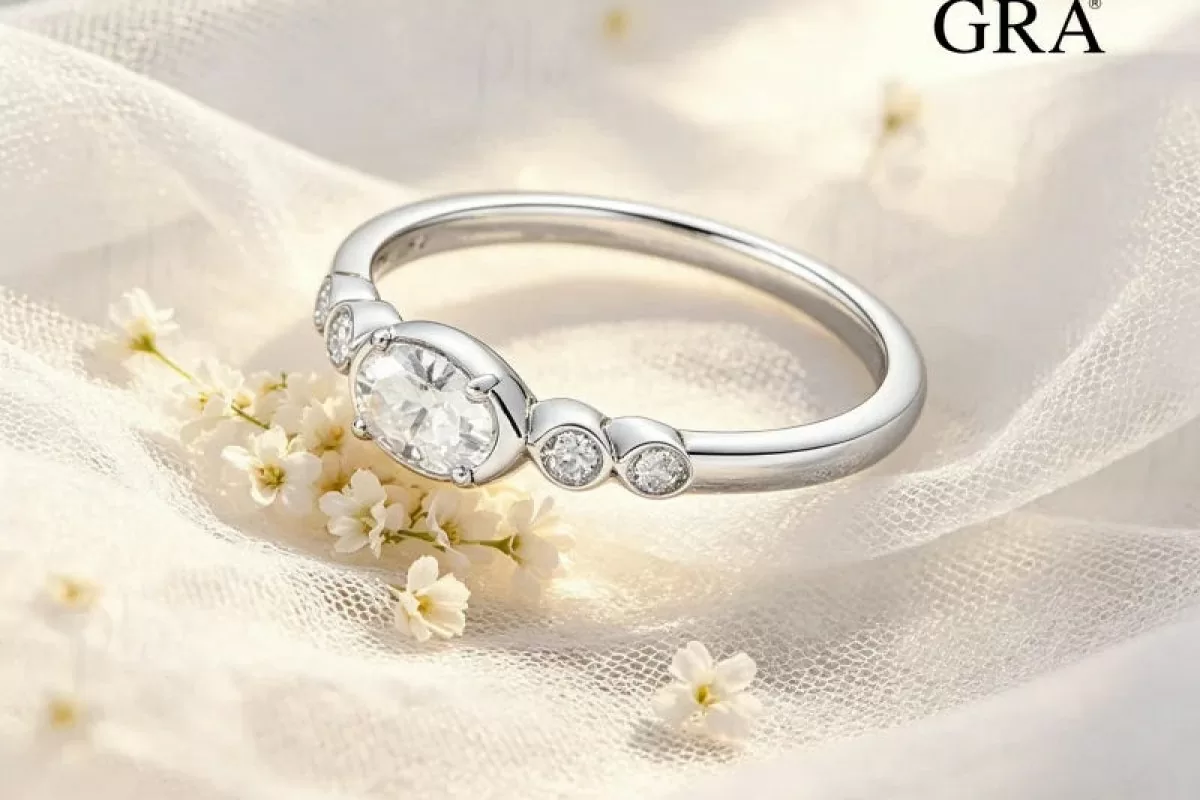
Bought a straight wedding band for a solitaire and now there's a visible gap next to the cathedral setting? You're not alone. This thread is for people who have stacked their rings for real seasons: what sits flush, what tilts, and what they reordered.
5 replies in this thread
The band shapes that actually work
Straight band. Sits flush only against a flat solitaire with a low-profile setting. On a cathedral, halo, or pavé shank, it leaves a gap that catches lint and makes the solitaire sit at an angle.
Contour / fitted band. Curved on one side to match the solitaire's profile. This is the standard answer for cathedral and halo settings. Cost $150-$400 more than a straight band, but it eliminates the tilt.
Curved / notched band. A softer curve that also works as a stand-alone stackable. Easier to find off-the-shelf, less precise than a custom contour.
Eternity and half-eternity bands. Pretty, but if your solitaire has prongs that reach the shank, a full eternity band won't seat flush. Half-eternity leaves room on the inside.
What owners report
u/Stacked2Years: straight band against my cathedral solitaire. The gap drove me nuts for 18 months. Finally ordered a contour band. Night and day.
u/ThinStack: I wear a 1.5mm solitaire, a 2mm plain band, and a 1.5mm diamond band. Total 5mm on one finger. Comfortable until my fingers swell in summer - then it's tight.
u/MixedMetals: rose gold solitaire with a white gold contour band. Mixed metals look intentional. The jeweler warned me about galvanic wear over years; we'll see.
For sizing, a stack needs a comfort-fit measurement. The ring sizing thread covers why a single-band size runs tight once you stack two. Stacked rings also move together, so prongs catch on fabric more - the cleaning thread notes that a stack traps lotion and needs the underside brushed weekly.
Materials and wear
Softer gold alloys scratch faster when stacked against a harder ring. Platinum wears differently from 14k gold. The karat reference explains why 14k resists dents better than 18k for a stack that takes daily wear. If you're stacking a birthstone band next to an engagement ring, check the durability tier list first - softer stones (opal, pearl) belong in necklaces, not in a metal-on-metal stack.
For travel, a stack comes off and goes in the padded roll - see travel storage. Stacked rings in a checked bag are a scratch waiting to happen.
The width and weight math
A stack looks elegant in photos but feels different after 8 hours of typing. Owners who stack three or more bands report that total width matters more than any single band. A combined width over 6mm starts to feel bulky on a smaller hand and catches on steering wheels and door handles. The sweet spot in this thread was a combined 4-5mm: solitaire, one plain band, one thin diamond band. Beyond that, most people moved the third band to a different finger.
Weight is the other hidden variable. A solitaire on a wide shank plus a heavy platinum band shifts the whole stack toward the knuckle, which makes the solitaire rotate. If your stack tilts, the fix is not a tighter size - it is balancing the weight with a lighter band on the other side, or moving the heavier band to the bottom against the palm.
Mixed metals, when done on purpose, look intentional. Mixed metals that happened by accident - a white gold solitaire with a yellow gold hand-me-down band - also work, but expect the rubbing points to wear slightly faster. A jeweler can polish those contact points for $20 every couple of years. The stack that lasted owners longest was the one they built slowly, adding one band at a time and living with each for a season before committing to the next.
What does your stack actually look like after years? Drop the widths and the metals. The people planning their first stack are reading this thread for the parts no product photo shows - the tilt, the weight, the summer swelling. Those are the details that decide whether a stack becomes everyday wear or a special-occasion look.
FAQ: Wedding band stacking
Do I need a contour band?
If your engagement ring has a cathedral, halo, or raised setting, yes. A straight band will gap. If you have a low flat solitaire, a straight band works.
Can I stack different metal colors?
Yes, mixed metals are popular. Expect slightly faster wear where the two metals rub, and a jeweler can polish the contact points periodically.
Does a stack change my ring size?
Yes. A single-band size will feel tight with two rings stacked. Size up about a quarter to half a size, and measure when your fingers are warm.
Is a full eternity band stackable?
Only if your solitaire sits flat and doesn't reach the shank. Otherwise half-eternity leaves room and seats flush.
Frequently Asked Questions
What ring sizes can you supply in bulk?
US sizes 5–12 including half sizes. Send a size breakdown with your order and we cast to that curve; comfort-fit inner bands reduce resize requests.
Can I order a mixed size run instead of one size?
Yes. Mixed runs are standard for wholesale: specify quantity per size and we pack and label by size at no extra labor cost.
What is the MOQ for custom ring designs?
50 pieces per design for existing molds; 100–300 pieces when a new mold or CAD model is required.
How should I price rings for retail margin?
Most partners use a 3–4x markup on FOB cost for sterling and 2.5–3x for moissanite solos, which keeps landed cost under 30% of retail.
Join the thread. Ask a sizing, setting or sourcing question and the bench answers.
Post a questionWritten By
Jewelry Forum Hub Team
Gemologists and setters at our own workshop. We have been cutting moissanite and lab grown stones since 2013.