Jewelry Forum Hub TeamOP
September 26, 2026 · 5 min read
Gemstone Hardness Chart: Which Stones Actually Survive
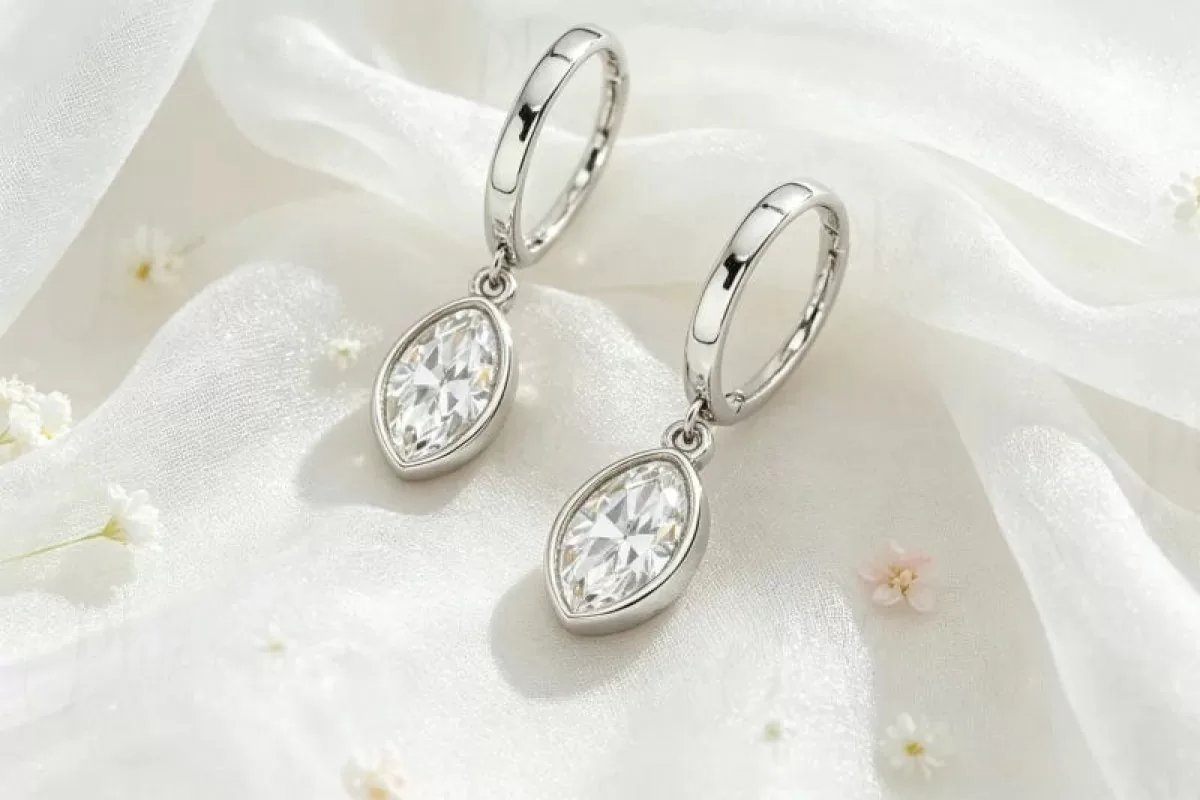
Hey all - I bought an emerald ring as an everyday piece two years ago and chipped it on a kitchen counter within three months. I thought emerald is a hard stone and skipped the fine print. This thread is for people who want a real chart of what survives a hand-washing, gym-bag, door-opening life, and what belongs in a safe.
5 replies in this thread
Hardness is not toughness
Hardness (Mohs) means scratch resistance. Toughness means resistance to chipping and cleavage. This is the part most buyers miss. The Mohs scale runs 1 (talc) to 10 (diamond), but it is ordinal, not linear: the gap between corundum (9) and diamond (10) is larger than the gap between 9 and 1. A sapphire at 9 scratches almost nothing in daily life, but it can still chip if hit at the right angle.
Quick reference for stones people actually set in rings:
- Diamond (10): scratch-proof, but can cleave if struck hard.
- Sapphire / ruby (9): daily wear champions.
- Topaz (8): beautiful, but has perfect cleavage - chips easily.
- Aquamarine (7.5-8): durable, but brittle on thin edges.
- Garnet (6.5-7.5): varies by species, generally fine.
- Quartz / amethyst / citrine (7): scratches from sand and dust over years.
- Emerald (7.5-8 hardness, poor toughness): inclusions and cleavage make it chip.
- Opal (5.5-6.5): soft, and can crack from dehydration.
- Pearl / amber (2.5-4): never daily wear rings.
Owner damage reports
u/SapphireSue (5 years, blue sapphire solitaire): worn daily, dishes, gym, everything. One tiny chip on the girdle from a fall onto concrete. Otherwise flawless. Best daily stone I have owned.
u/EmeraldOops (the chipped story above): jeweler said the emerald had a surface-reaching fissure exactly where I knocked the counter. Bezel setting would have saved it. See our thread on which gemstones suit daily wear before you buy.
u/TopazTom (3 years, London blue topaz): chipped on the culet after bumping a car door. The jeweler said topaz's cleavage means even a small hit can run. Switched to a bezel.
u/OpalAnne: opal ring lives in a box. I wear it to weddings only. It cracked once from winter dry heat.
What actually scratches these stones
Sand and dust are quartz (7). That is why an amethyst ring develops a frosty girdle after years of wiping hands on jeans - you are rubbing dust (7) across the surface (7). Sapphire and diamond shrug it off. This is also why the cleaning methods thread matters: abrasive toothpaste (7+) will scratch any stone below 8.
Settings matter as much as stone choice. Bezel and halo settings protect edges; raised prongs on a thin band expose a stone to knocks. For emeralds, rubies, and any included stone, ask the jeweler whether the girdle is protected. Read gemstone inclusion basics to know what to ask about before buying.
What owners wish they had set in bezel vs prongs
The pattern in this thread is consistent: stones that survived years of daily wear were almost always bezel or halo set, while the chipped ones were prong-set with an exposed girdle. A bezel cups the edge of the stone and absorbs the knocks that would otherwise land on the girdle. An emerald, topaz, or aquamarine in a bezel will outlive the same stone in a cathedral prong setting by years. If you already own a prong-set soft stone, a local jeweler can add a halo or convert to a bezel for $80-$150 - cheaper than replacing a chipped stone. See our thread on daily-wear gemstones for the full setting checklist.
One last note from owners: a stone's hardness rating is measured on a fresh surface. After years of wear, micro-scratches on the girdle act as starting points for chips. A stone that looked chip-proof at the jeweler can crack along an existing scratch if knocked. The fix is a yearly check with a loupe - if you see a frosted line on the girdle, get it polished before it becomes a chip.
FAQ: gemstone hardness for daily wear
What is the hardest gemstone after diamond?
Corundum - sapphire and ruby - at 9 on Mohs. It scratches everything below it and is scratched only by diamond. It is the closest thing to a daily-wear guarantee, provided the setting protects the girdle.
Is an emerald ring okay for everyday?
No. Emeralds rate 7.5-8 on hardness but have poor toughness and surface-reaching inclusions. A bezel-set emerald worn on special occasions ages well; a prong-set emerald worn doing dishes will chip.
Does quartz or amethyst scratch easily?
Dust is quartz, so over years an amethyst surface (7) will show micro-scratches from being wiped on jeans. It is fine for pendants and earrings; expect a frosted girdle on a daily ring.
Can opal be worn daily?
Opal at 5.5-6.5 scratches easily and can craze from dehydration. Treat opal as an occasion stone. Store it away from direct heat and sunlight, and never wear it in a pool.
Add your own damage story below - the more real-world data, the better this chart gets. Jewelers: HOLYCOME supplies sapphire, ruby and garnet melee tested for toughness before setting.
Frequently Asked Questions
How do I verify a factory before placing a bulk order?
Request a production video, business license, export records and a paid sample run. A factory that accepts a 50-piece test order is usually a real manufacturer.
What payment terms do you offer?
30% T/T deposit with the balance against the bill of lading. This protects both sides on first orders and can move to net terms after a track record.
What is your normal reject rate?
3–5% under 10x loupe inspection for cast and set pieces. Defective units are replaced free in the next shipment.
Where is the factory located?
Wuzhou, Guangxi, China—the core lab-grown and moissanite manufacturing cluster. Shipments go via Guangzhou or Shenzhen ports.
Join the thread. Ask a sizing, setting or sourcing question and the bench answers.
Post a questionWritten By
Jewelry Forum Hub Team
Gemologists and setters at our own workshop. We have been cutting moissanite and lab grown stones since 2013.