Jewelry Forum Hub TeamOP
September 17, 2026 · 5 min read
Birthstone Chipping: Top 5 Questions Answered
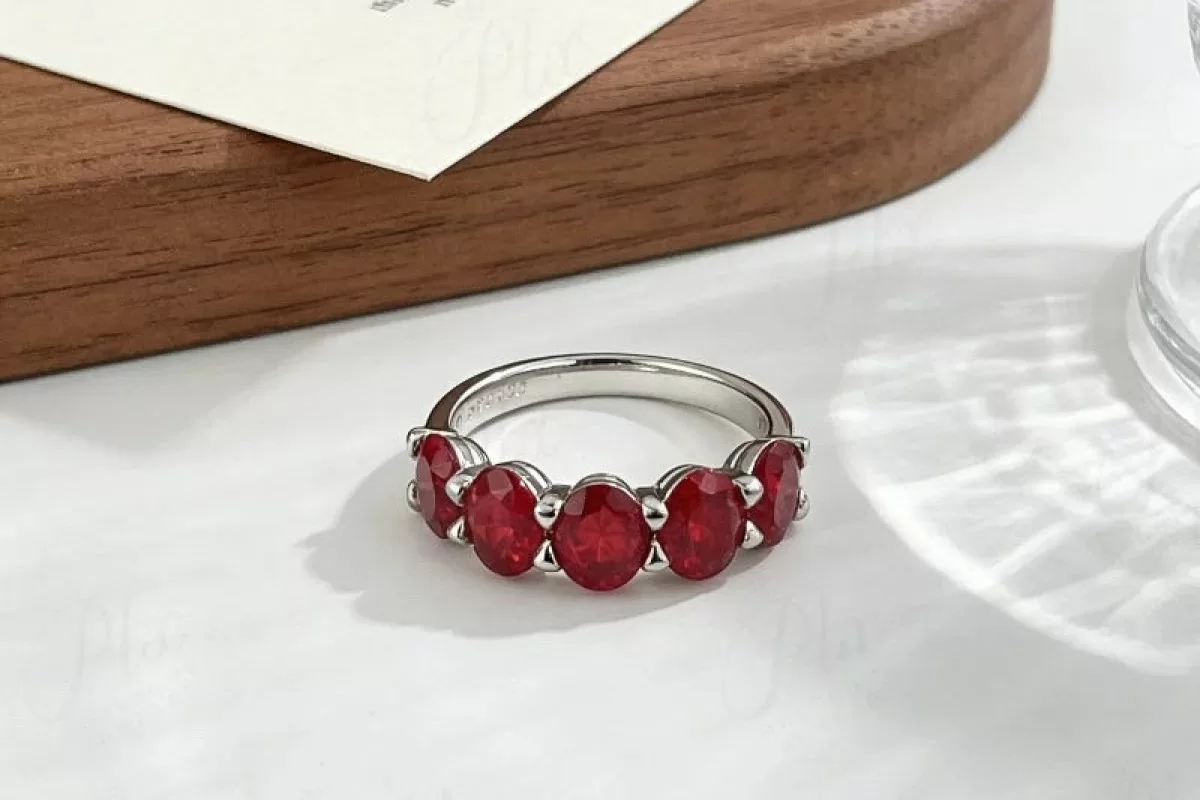
My May emerald ring chipped on the corner of a desk after four months of wear. I was shocked because the jeweler said emerald was fine for a right-hand ring. Turns out I asked the wrong question - the right question is which birthstones chip and which just scratch. I dug through the hardness data and the owner reports so you do not have to learn it the way I did.
3 replies in this thread
Why some birthstones chip and others scratch
Hardness measures scratch resistance on the Mohs scale. Toughness measures whether a stone chips when hit. They are not the same thing. A stone can be hard but brittle, which means it resists scratches but chips on impact. The GIA 4Cs guide explains that durability is a combination of hardness and toughness, and it matters more for daily wear than the gem's beauty alone. We covered this in the birthstone chipping and hardness thread, and the daily wear hardness chart ranks the common stones.
The worst offenders for chipping are emerald (7.5 to 8 on Mohs but heavily included, so brittle), pearl (soft, organic), opal (5.5 to 6.5, cracks from knocks and dryness), turquoise (soft and porous), and amethyst on a bezel edge that gets hit. The safest birthstones for daily wear are diamond, sapphire and ruby (9 on Mohs, tough), and the birthstone durability thread lists which months are safe for an every-day ring.
What I learned after chipping my emerald
The chip was not from a scratch - it was from a direct corner impact. Emeralds have natural internal fissures that can reach the surface, and a knock on a sharp edge opens them into a visible chip. A jeweler can usually polish out a small chip or re-cut the corner, but that removes weight and changes the look. My ring now lives on a necklace rather than my hand. If you love a soft birthstone, wear it as a pendant or on a necklace that does not knock desks, and keep it away from lotion and water.
Setting choice matters as much as the stone. A bezel setting wraps a soft stone in metal and absorbs knocks, which is why jewelers push bezels for emerald and opal. A prong setting leaves the corners exposed. For an active wearer, a protective setting on a softer birthstone is worth more than upgrading the stone. If you also want to know which birthstones people actually buy rather than the traditional list, the birthstone meanings buyers pick thread breaks that down.
To make the months concrete: January garnet is 6.5 to 7 and reasonably tough for a daily ring. February amethyst is 7 but chips on sharp corners if knocked. March aquamarine is 7.5 to 8 but has cleavage planes, so a hard knock can split it. April diamond is the safest by a wide margin. May emerald is the classic chipping risk, heavily included and brittle. June pearl and alexandrite - pearl is soft and organic, never for daily hand wear. July ruby is 9 and tough, one of the best. August peridot is 6.5 to 7 and fractures easily. September sapphire is 9 and excellent. October opal is 5.5 to 6.5 and cracks from dry air and knocks. November topaz and citrine - topaz has cleavage. December turquoise and tanzanite - both soft and easily scratched. If you want a daily-wear birthstone ring, stick to diamond, ruby, sapphire or garnet, and put the softer months on pendants and earrings.
The bottom line for shoppers: do not buy a birthstone ring based on the chart alone. Ask the jeweler how the stone is set and how it is graded, and be honest about your daily life. A desk job and a garden hobby are two very different stress tests, and the same stone survives one and not the other.
FAQ: birthstone chipping top 5
Q: Which birthstones chip the easiest?
A: Emerald, pearl, opal, turquoise and amethyst on exposed corners. They are either brittle, soft, or both, and a direct knock opens a chip.
Q: Is a chip on my birthstone fixable?
A: Small chips can often be polished or re-cut by a lapidary, but it removes material and changes the shape. Deep chips on brittle stones may need recutting the full stone.
Q: What setting protects a soft birthstone best?
A: A bezel or halo setting wraps the stone edge in metal and absorbs knocks. Prong settings leave corners exposed and chip faster.
Q: Can I wear a soft birthstone ring every day?
A: With a protective bezel on a non-dominant hand, maybe. For high-impact work, wear it as a pendant or reserve it for evenings.
Q: Does higher clarity mean less chipping?
A: For included stones like emerald, fewer internal fissures do reduce chipping risk, but even clean emerald is brittle compared with sapphire.
Bottom line: hardness is not the whole story - toughness and setting decide whether a birthstone survives a desk. If you stock birthstone jewelry, label the chipping risk per month and recommend bezels for the brittle ones. What chipping stories do you have? Drop them below.
Frequently Asked Questions
How do I verify a factory before placing a bulk order?
Request a production video, business license, export records and a paid sample run. A factory that accepts a 50-piece test order is usually a real manufacturer.
What payment terms do you offer?
30% T/T deposit with the balance against the bill of lading. This protects both sides on first orders and can move to net terms after a track record.
What is your normal reject rate?
3–5% under 10x loupe inspection for cast and set pieces. Defective units are replaced free in the next shipment.
Where is the factory located?
Wuzhou, Guangxi, China—the core lab-grown and moissanite manufacturing cluster. Shipments go via Guangzhou or Shenzhen ports.
Join the thread. Ask a sizing, setting or sourcing question and the bench answers.
Post a questionWritten By
Jewelry Forum Hub Team
Gemologists and setters at our own workshop. We have been cutting moissanite and lab grown stones since 2013.