Jewelry Forum Hub TeamOP
September 29, 2026 · 5 min read
White Gold vs Silver: Which Tarnishes More? Owner Test
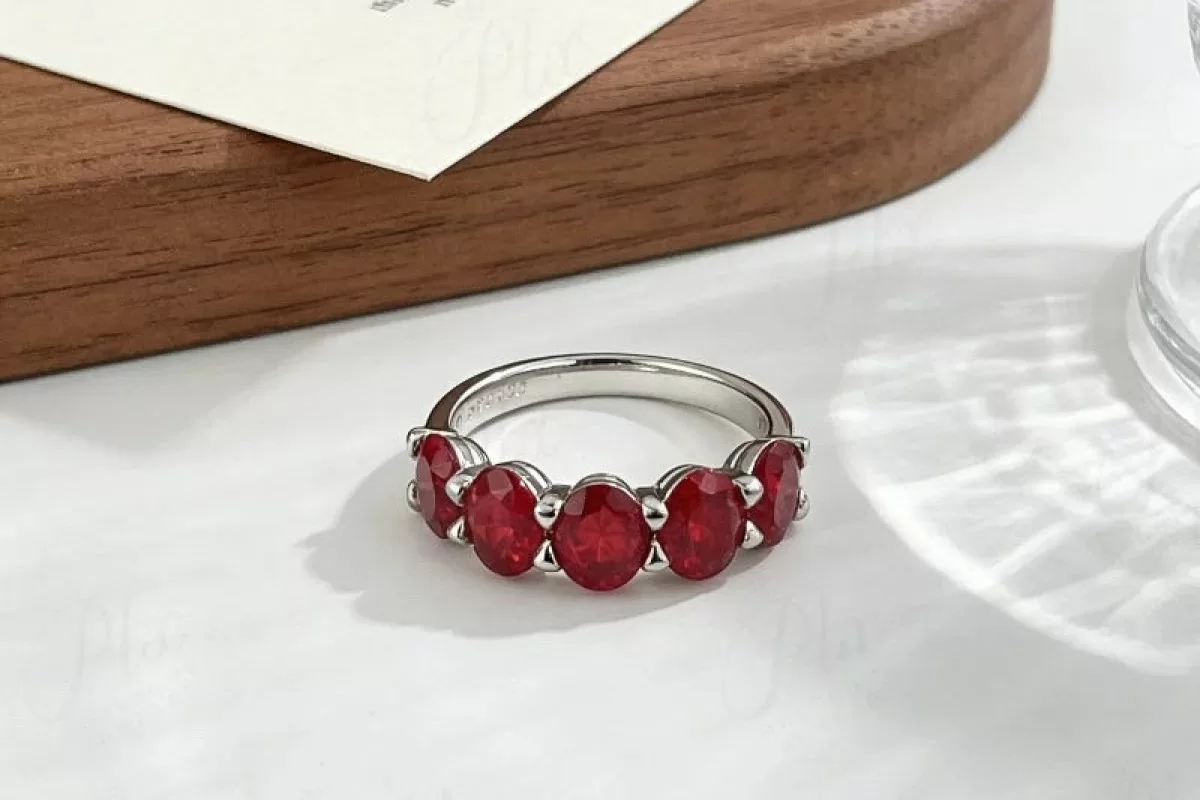
Question that comes up at least once a week in this sub: I have a white gold ring that looks yellow and a sterling silver chain that turned black. Which one tarnishes more? I bought both in the same month so I could test it head to head, and after 14 months I have a clear answer that is not what the jewelry stores told me.
4 replies in this thread
What tarnish actually is
Tarnish is a surface film that forms when a metal reacts with sulfur or moisture in the air. Sterling silver is 92.5% silver alloyed usually with copper, and silver reacts readily with airborne sulfur, which is why silver goes black or yellow. The sterling silver entry on Wikipedia notes that fine silver tarnishes less than sterling because the copper in the alloy also contributes to surface discoloration. So silver is, by chemistry, the tarnish-prone one.
White gold is different. It is usually 14k gold alloyed with white metals like palladium or silver, then plated with a thin rhodium coat to make it bright white. White gold itself does not tarnish the way silver does. What happens to white gold is the rhodium plating wears off, revealing the warmer yellow color of the gold alloy underneath. People call that tarnish, but it is actually plating wear, which I explained in the platinum vs white gold wear thread. So the two problems look similar but are fixed completely differently.
My 14-month side-by-side result
The sterling silver chain I wore daily around my neck went noticeably dull at about week three and was gray-black in the crevices by month two. A silver polishing cloth brought it back to bright, but it went dark again within a month. That cycle repeated all year. The necklace also left a faint green mark on my skin in summer, which is the copper in the alloy reacting with sweat, the same issue discussed in the silver turning skin green thread.
The white gold ring, meanwhile, stayed bright white for about five months. Then, under the prongs and on the high-wear edges, the warm yellow gold started showing through. It never went black. It never turned my finger green. It just slowly lost its plated whiteness. A jeweler re-dipped the rhodium for about $35 and it looked new again. So to answer the question directly: silver tarnishes far more and far faster, but it is easy to clean. White gold does not tarnish but the plating fades and needs professional re-dipping.
Which is worse for everyday wear
If you hate polishing, white gold wins because the only maintenance is a re-plate every 12 to 24 months. If you hate paying a jeweler every year, silver wins because a $5 cloth handles it at home. The allergy angle matters too: sterling silver rarely causes nickel reactions, but cheap white gold alloys and plating can, which is why we covered the nickel and copper allergy thread. For storage, both benefit from the same habits - anti-tarnish strips and dry boxes, as tested in the anti-tarnish storage thread.
One detail I did not expect: the rhodium plating on my white gold was so thin that a single dip in chlorinated pool water accelerated the yellowing, while the silver chain, which I also wore to the pool, just needed a cloth. The plating on most commercial white gold is measured in microns, usually under one micron, which is why it wears through on high-contact surfaces. Silver tarnish, by contrast, is a surface layer you remove without replacing anything. If you hate the idea of paying a jeweler every year, and you are willing to spend five minutes with a cloth once a month, silver is the lower-maintenance choice long term. If you prefer set-and-forget, and you do not mind the annual re-plate cost, white gold is the cleaner daily look.
FAQ: white gold vs silver tarnish
Q: Does white gold tarnish like silver?
A: No. White gold does not develop black tarnish. What looks like tarnish is worn rhodium plating revealing the yellow gold underneath, fixed by re-dipping.
Q: How fast does sterling silver tarnish?
A: Visible dulling can start within weeks on daily-wear pieces, especially in humid climates or with high sweat. Polishing cloths remove it but it returns.
Q: Can I stop silver from tarnishing forever?
A: Not permanently. A lacquer or anti-tarnish coat slows it, and airtight storage with anti-tarnish strips helps, but daily-wear silver will need regular polishing.
Q: Is yellowing white gold ruined?
A: No. It is just worn rhodium. A professional re-plate restores the bright white look, typically for a modest fee at any local jeweler.
Bottom line: silver tarnishes more by a wide margin, but it is a home-clean problem; white gold's yellowing is a re-plate problem. If you source either metal for resale, set customer expectations upfront about which maintenance each one needs - it cuts returns and support tickets. Tell us your wear stories below.
Frequently Asked Questions
How do I prevent sterling silver from tarnishing in storage?
Use anti-tarnish bags with a sulfur absorber, keep humidity under 60% and avoid paper wrapping. Rhodium plating adds a further barrier on high-turn SKUs.
Is rhodium plating worth the added cost?
Yes for display and gift lines. It resists tarnish for 12–18 months and keeps shelf pieces bright, which reduces markdowns.
What purity do you supply?
925 sterling silver, stamped and hallmarked. Fine silver (.999) is available for beads and bullion-style pieces.
What is the MOQ and lead time?
50 pieces per design, samples 3–5 days, bulk 15–20 days.
Join the thread. Ask a sizing, setting or sourcing question and the bench answers.
Post a questionWritten By
Jewelry Forum Hub Team
Gemologists and setters at our own workshop. We have been cutting moissanite and lab grown stones since 2013.