HOLYCOME EditorialOP
November 23, 2026 · 8 min read
Lab Grown vs Natural Diamond Owner Forum
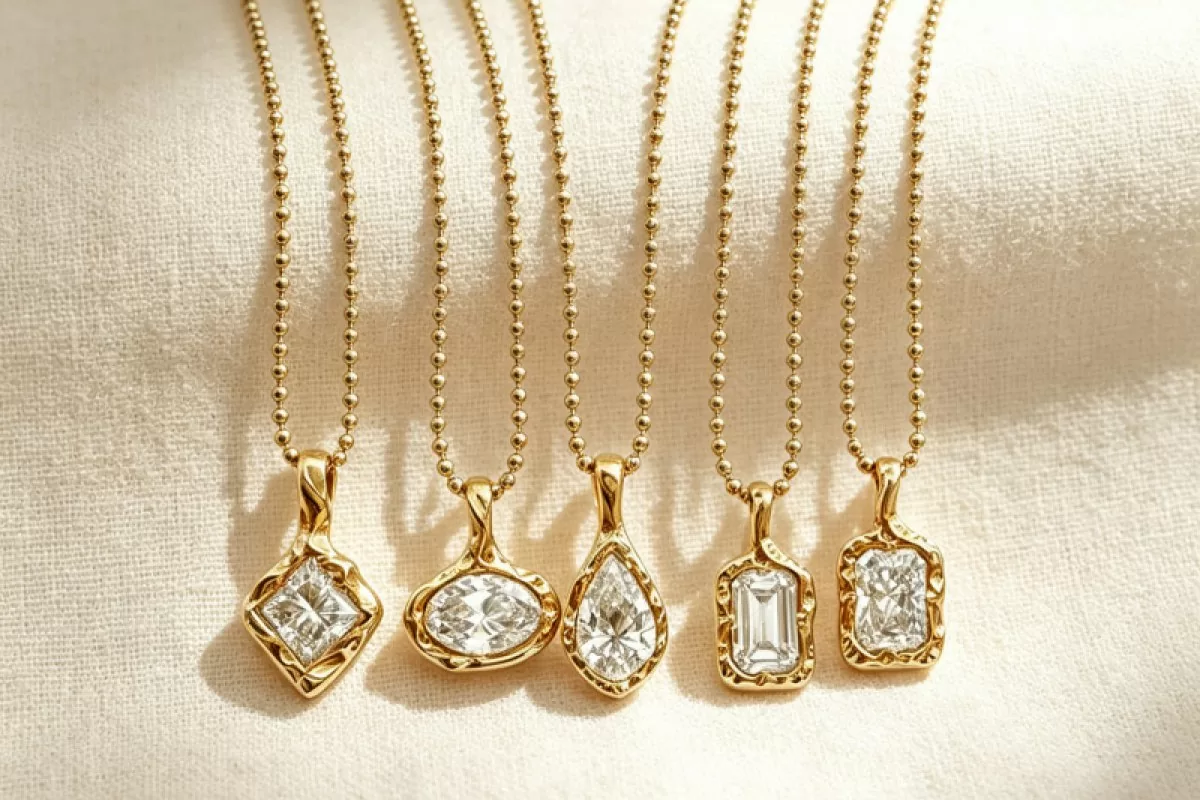
This is one of the most discussed threads in every jewelry forum, and it never has a single right answer. People ask which is "better"—lab grown or natural diamond—but "better" depends on what you care about: budget, size, origin story, resale value, ethics, or what other people think. We compiled real owner comments and recurring talking points from forum discussions, Reddit threads, and Facebook groups over the past two years to give prospective buyers a real sense of the tradeoffs, not a marketing pitch.
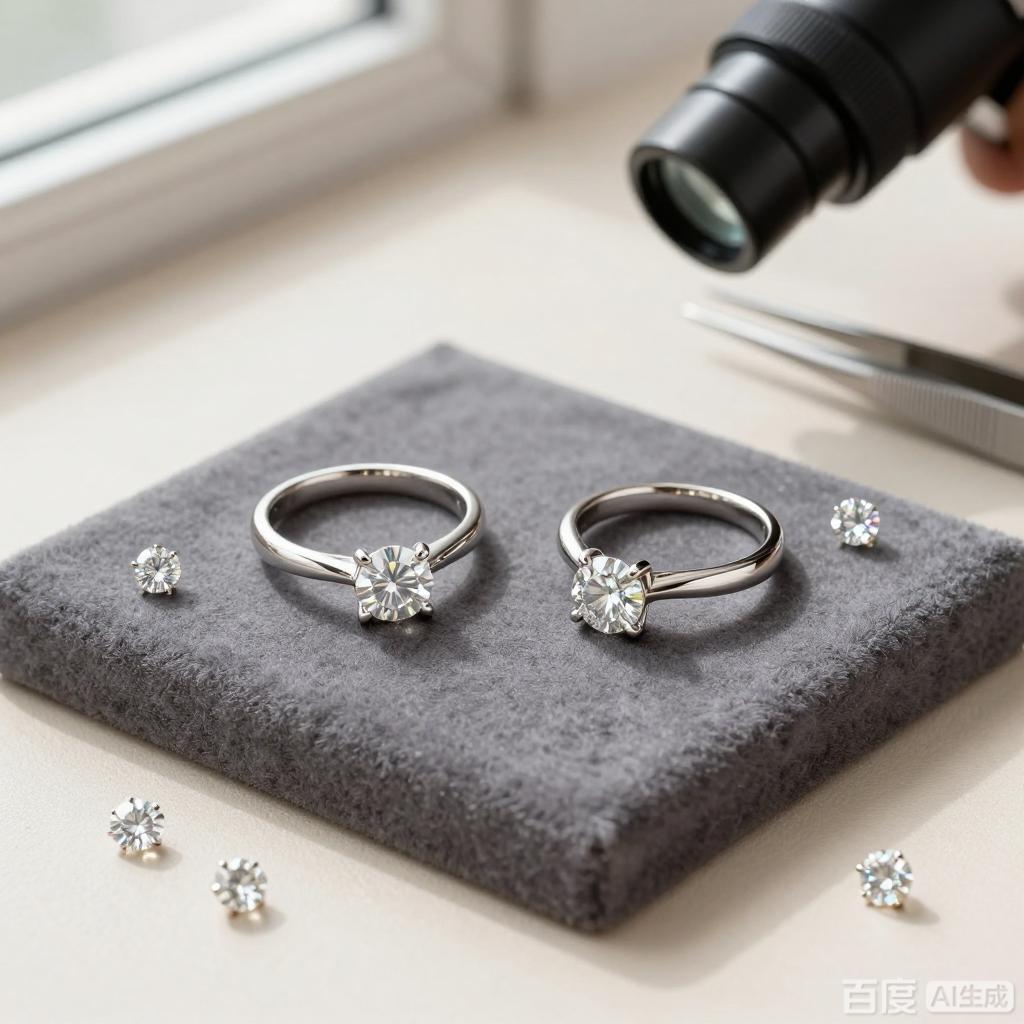
7 replies in this thread
The Core Science: They Are the Same Material
Before getting into value judgments, start with the physical reality. Lab grown diamonds are diamonds—pure carbon crystallized in a cubic lattice, chemically, physically, and optically identical to mined diamonds. Same Mohs 10 hardness, same refractive index (2.42), same thermal conductivity. You cannot see a difference with your eyes, a loupe, or a basic diamond tester. GIA started issuing full lab grown diamond reports in 2020 because they are diamonds, not simulants. For general reference, see the synthetic diamond entry on Wikipedia.
This matters because the rest of the conversation is about origin, price, and personal meaning—not about two different-looking stones.
Where Owners Disagree
Most forum debates center on these five questions. Here are the recurring points owners make on each side:
Price and Size
Team lab grown: "I got a 2.1ct D VS1 lab grown excellent cut for $1,600 in a platinum setting. The equivalent natural diamond would have been $18,000-22,000. That's a down payment on a house, not a stone." Lab grown buyers consistently say the size/grade/price equation is the dominant reason they chose lab. A $5,000 budget buys a 1.5-2ct D VS natural diamond, or a 3ct D VS lab grown in a nicer setting.
Team natural: "I wanted the real thing, period." Natural buyers who stay natural at comparable budgets often accept a smaller stone or lower color/clarity in exchange for natural origin. Some see diamond as a forever purchase with long-term intrinsic value; others simply do not want to explain their ring to people who ask "is it real?"
Realism and "Can People Tell?"
Team lab grown: "I've worn my lab grown every day for three years. No one has asked, no one has noticed, even at jewelry stores where they clean it for free. Normal people cannot tell the difference." This is the most consistent lab grown owner comment—coworkers, friends, and family do not identify lab grown origin in normal settings.
Team natural: "Jewelers can tell, and the certification says LABORATORY GROWN on the inscription. If I ever sell or insure, it's not the same thing." This is true—trained gemologists can identify origin with specialized equipment (DiamondView spectroscopy, UV fluorescence patterns, distinctive inclusions) and certified lab grown stones are laser-inscribed. For buyers who worry about what jewelers, insurers, or future appraisers think, this matters.
Ethics and Environmental Impact
Team lab grown: "I didn't want a mined diamond for environmental and human rights reasons. Lab grown avoids mining entirely." Lab grown production is not zero-impact (HPHT and CVD reactors use energy) but it avoids the land disruption, water use, and historical conflict-diamond concerns associated with mining.
Team natural: "The Kimberley Process cleaned up conflict diamonds, and responsible mining supports communities in diamond-producing countries. Lab grown production in coal-powered regions has its own carbon footprint." Both sides have fair points; the ethical choice is personal. Buyers who care about carbon can choose lab grown from renewable-powered producers; buyers who care about mining communities can look for responsibly-sourced natural from Canada (Ekati, Diavik), Australia (Argyle, now closed), or traceable Botswana/ Namibia production.
Resale and Value
This is where facts matter more than feelings.
| Factor | Natural Diamond | Lab Grown Diamond |
|---|---|---|
| Retail price decline from new | 40-70% when you try to resell; expect 20-40% of original retail at resale | 70-90% decline; secondary market is small because new lab grown prices have been falling as production scales |
| Price trend 2018-2026 | Natural diamond prices have declined modestly but more stable | Lab grown wholesale prices down 70-80% over 2018-2026 as production capacity expanded |
| Insurance/valuation | Appraised at retail replacement cost (usually above purchase price) | Appraised at current retail replacement, which is much lower than natural; insure at current lab grown retail, not purchase price |
| Emotional/inheritance value | Natural diamonds carry a long cultural history as heirloom stones | Lab grown is newer as a category; less intergenerational history today, but this is changing as lab grown becomes mainstream |
Honest framing: neither natural nor lab grown diamond is an "investment" in a financial sense (diamonds are not fungible like gold, retail markup is high, and resale is always below retail). But natural diamonds hold value better than lab grown today. If resale matters to you, factor that in.
Owner Stories from Forum Threads
A few real stories that come up repeatedly in discussion threads:
- A software engineer in Austin bought a 2ct lab grown for $2,200 after pricing natural at $19,000. He wore it every day for two years, had zero issues, and his fiancée had no idea he "saved" that much until he told her six months in. She was thrilled they put the difference toward a house down payment.
- A teacher in Ohio bought a natural diamond 1.2ct from a local jeweler after being "worried lab would look fake." After three years she says she still loves it, has no regrets, and specifically wanted a natural diamond because her grandmother's natural diamond ring was meaningful to her.
- A buyer in Seattle bought a lab grown from an online vendor and found out a year later from a local jeweler that the stone was not the grade on the certificate (it was H color, not F). The vendor replaced it after seeing the independent appraisal. This issue exists in both natural and lab grown markets with bad vendors—buying from a reputable seller matters more than the natural/lab question.
- A groom in Chicago originally bought a lab grown to save money, then felt guilty about "compromising" after seeing forum debates. He ended up buying a natural diamond. A year later he said he wished he had saved the money and stayed with lab—his wife never cared which it was, and no one could tell the difference, but he was out $10,000.
Who Should Choose Which (Forum Consensus)
After reading hundreds of threads, these are the situations where forum members consistently recommend one or the other:
Choose lab grown if:
- You want the largest, highest-grade stone within your budget
- You prefer the ethical/environmental profile of lab production
- You plan to wear the ring daily and travel often (less financial risk of loss/theft)
- You do not care about long-term resale value or heirloom status
- You are buying a fashion jewelry piece (earrings, pendants, bracelets) where multiple large stones would be prohibitively expensive in natural
Choose natural if:
- Natural origin and the geologic story matter to you or your partner
- You want the highest possible resale value or plan to treat the stone as a long-term family heirloom
- You (or your partner) specifically want "natural" regardless of price
- You are buying at a budget where the natural option is comfortably affordable and you do not feel you are sacrificing size/grade
What to avoid either way:
- Buying the cheapest option from an anonymous online seller without inspection returns. Bad grading, fake certificates, and misrepresented stones exist in both markets.
- Taking on debt to buy a ring. Forum members who financed engagement rings almost universally wish they had spent less, regardless of natural/lab choice.
- Lying to your partner about which it is. If you buy lab grown, say it is lab grown. The FTC requires disclosure at point of sale, and honesty within a relationship is non-negotiable.
Frequently Asked Questions
Q: Can a jeweler tell my diamond is lab grown?
A trained gemologist with proper screening equipment (DiamondSure, DiamondView, spectroscopy) can identify lab grown vs natural origin, and certified stones are laser-inscribed "LABORATORY GROWN" on the girdle. A retail salesperson looking at the ring in a case cannot tell by eye.
Q: Will lab grown diamonds become worthless as prices fall?
Wholesale prices have dropped sharply since 2018 as production scaled, but the stones themselves remain diamonds. They will always have intrinsic value as gemstones—just not at 2018 price levels. A lab grown diamond you buy today will likely be cheaper to buy new next year, but the ring you own is still a wearable diamond. Buy to wear, not to store value.
Q: Is it cheaper to insure lab grown?
Yes—insuring a lab grown ring costs less because the replacement cost is lower. Contact your insurer with an updated appraisal specifying lab grown origin; you should not pay diamond premiums to insure a lab grown stone.
Q: Should I care whether it's CVD or HPHT lab grown?
For most buyers no—both produce real diamonds, both are durable. CVD is more common in larger (0.5ct+) white stones, HPHT dominates melee and fancy colors. The growth method is disclosed on the certificate; there is no visual difference to the wearer.
Q: Can I upgrade my lab grown later to a natural diamond?
Yes—many jewelers offer upgrade programs. Because lab grown resale is limited, you will not get much trade-in value for the stone itself, but you can absolutely reset or replace a center stone later if priorities change.
Q: Do natural diamonds and lab grown diamonds look different in person?
No—side by side in identical grades and cuts, the polished stones are visually indistinguishable. Factors that affect appearance are cut quality, color grade, clarity, and lighting—not origin. A well-cut 1.5ct D VS lab grown looks brighter and more beautiful than a poorly cut 1.5ct J SI2 natural.
The Takeaway from Owner Discussions
The "right" choice is the one the person wearing the ring feels good about. There is no universal winner. If you love the natural origin story, can afford natural within your budget without debt, and natural matters to you—buy natural. If you want the biggest, highest-quality stone for your money, prefer lab origin ethics, and care more about wearability than resale—buy lab grown. Either way, buy from a reputable seller with a good return policy, get an independent appraisal, verify certificates, and don't let internet strangers make the decision for you.
Related Reading
- Jewelry Trade Show Buying Tips Owner Forum - HOLYCOME
- Sterling Silver Jewelry Care Owner Tips Forum - HOLYCOME
- Moissanite Owner Experiences Real Talk Forum - HOLYCOME
Related reading: Lab Grown Diamond Discussion Forum 2026 Real Buyers Tell All, Lab-Grown vs Natural Diamond: Total Owner Cost, Lab Grown Diamond Community Experiences Forum.
Join the thread. Ask a sizing, setting or sourcing question and the bench answers.
Post a questionWritten By
HOLYCOME Editorial
Gemologists and setters at our own workshop. We have been cutting moissanite and lab grown stones since 2013.