HOLYCOME EditorialOP
November 23, 2026 · 10 min read
Moissanite Owner Experiences Real Talk Forum

This thread pulls together real moissanite owner experiences from forum posts, Reddit threads, Facebook group discussions, and our own customer conversations over the past three years. We get tired of marketing copy that says moissanite is "exactly like diamond" or that it "looks fake in every light"—the truth is in the middle, and actual owners are the best source. If you are considering a moissanite ring, earring, or pendant and want to know what real daily wear looks like after 6 months, 2 years, or 5 years, read through these owner stories and FAQs before you buy.
8 replies in this thread
What Owners Actually Say About Daily Wear
We pulled together comments from 40+ owner discussions across jewelry forums and social groups. A few themes come up over and over:
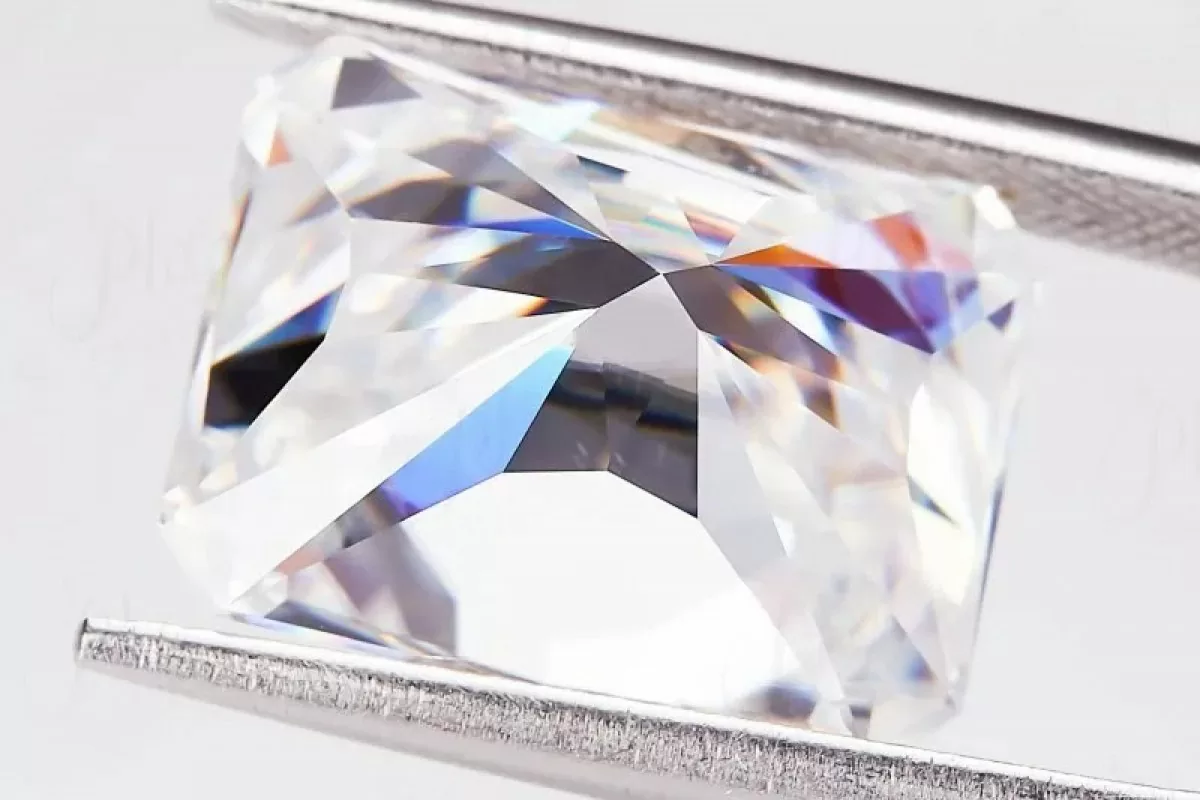
- Sparkle is the #1 thing people love. Nearly every owner mentions the fire and rainbow flashes in sunlight and strong indoor light. This is moissanite's signature—higher dispersion than diamond means more colored flashes. People who specifically love sparkle tend to prefer moissanite to diamond after owning both.
- Nobody could tell in day-to-day life. The most common line from owners who wore moissanite engagement rings daily: coworkers, friends, even family members did not notice it was not diamond. Most people do not look closely at other people's rings. The double-refraction and rainbow fire that hobbyists talk about online is visible to gemologists and jewelry nerds under specific lighting, not to a casual observer across a dinner table.
- "Is it too sparkly?" is a real question for some buyers. A smaller group of owners report that moissanite looks "too disco ball" for conservative office environments in direct sunlight, especially in larger sizes (2ct+ rounds). This is a taste issue, not a quality issue—some people prefer the subtler white brilliance of diamond, and that is valid.
- Durability holds up. Owners wearing moissanite daily for 3+ years consistently report no scratching, chipping (with normal wear), or clouding. A few owners have chipped stones from hard impacts (dropping onto tile, gym equipment impacts), which is true of diamond as well. 9.25 Mohs is genuinely hard enough for daily wear.
- Cleaning is easy. Windex, warm soapy water, and gentle brushing all work. Owners who clean once a month or so report stones stay bright.
Real Issues Owners Have Run Into
We want to be honest about problems forum members actually report, because sales pages rarely cover these:
| Issue | How Common | What To Do |
|---|---|---|
| Green/grey tint in certain lighting (especially older or low-grade stones) | 10-15% of owners report noticing this occasionally, mostly in overcast daylight or fluorescent office light; more common in J-K and unbranded stones | Buy DEF color from a reputable supplier, view samples in natural daylight before committing; modern production has much less tint than pre-2018 moissanite |
| Became "dull" or "filmy" over time | Almost always residue from lotion, soap, or hard water; not the stone itself | Clean with dish soap + soft toothbrush + hot water; avoid touching the stone with fingers |
| Prongs caught on things / loosened over time | Normal for any prong-set ring worn daily, not moissanite-specific | Have prongs checked by a jeweler once a year; this prevents stone loss |
| Chipped girdle or culet from hard impact | Rare with normal wear; reported by people who wore rings during weightlifting, construction, or hard drops | Remove rings during heavy work; consider bezel or half-bezel settings for active lifestyles |
| Mismatched certificates / fake GRA reports | Reported from low-cost online marketplaces; some cheap suppliers print generic certificates not tied to the actual stone | Buy from reputable suppliers with per-stone laser inscriptions; verify report numbers; inspect on arrival |
One owner story that comes up in multiple discussions: a teacher in Chicago bought a 1.5ct DEF moissanite solitaire in 2021. She wore it daily through lesson planning, cooking, gym workouts (she removed it for lifting), and two kids under 5. Three years later she posted photos in a forum—the stone looked as bright as new, the white gold band needed re-rhodium plating (normal for white gold), and she reported zero chips, zero clouding, zero negative comments. The only "complaint" was that her sister-in-law asked if it was "too big" for everyday at a family dinner (a question about taste, not realism).
CVD vs HPHT, Color Grade, and Cut: Owner Recommendations
The most active discussion threads in moissanite forums are often about which color and cut to buy. Here is the consensus from owner discussions:
- Color DEF vs GHI: Most owners who bought DEF are happy; a significant number who bought GHI report no visible warmth and would buy GHI again to save money. People who are very sensitive to color (artists, designers, photographers) more often report preferring DEF. J-K color looks visibly warm/yellow to most people and is not recommended for engagement-ring center stones unless you specifically want a warmer look.
- Round brilliant vs fancy shapes: Round brilliant is still the top recommendation for first-time buyers—it hides color best and maximizes sparkle. Ovals and cushions are the most popular fancy shapes (2025-2026 forum trends) but show color more easily in the points (the ends of ovals and corners of cushions). Pears and marquises have visible bowties even in well-cut stones—buy from a vendor with good photography and return policy.
- Branded vs unbranded: Owners who bought Charles & Colvard Forever One consistently report consistent color and excellent quality, but paid 2-3x the price of equivalent-quality unbranded Chinese moissanite. Owners who bought high-quality unbranded from reputable vendors (with laser inscription, easy returns, sample photos in natural light) generally report equal visual results for much less. The people who are unhappy with unbranded purchases are the ones who bought the cheapest stones on auction sites without seeing samples.
- Size choice: The most common "I wish I went bigger" size forum comment is from people who bought 1.0ct and later wished they had gone with 1.5ct. The most common "too big for my lifestyle" comment is from people who bought 3ct+ and found it caught on things or drew unwanted attention at work. 1.5-2.0ct is the most commonly cited "happy" size in US forum discussions.
For moissanite physical properties overview, see the moissanite entry on Wikipedia.
Moissanite vs Diamond Owner Comparisons
Forum members who have owned both (moissanite as a travel/everyday ring plus a natural diamond original, or vice versa) tend to make the same points:
- In indoor warm lighting and social settings, the difference is invisible to others.
- In direct sunlight, moissanite throws more rainbow fire; diamond throws more white brilliance. Which someone prefers is a taste call.
- Diamond feels more "valuable" to some owners (because they paid more and they know it is diamond, not because anyone can tell). Moissanite feels more "fun" and sparkly to others.
- Moissanite owners worry less about theft, loss, and damage when traveling. This is a real practical advantage for people who want to leave their high-value natural diamond in a safe while traveling.
- Resale value: natural diamonds have a resale market (typically 20-40% of original purchase price); moissanite resale is minimal. This does not bother most moissanite buyers because they bought for wear, not investment. The FTC Jewelry Guides require moissanite to be disclosed as moissanite, not sold as diamond.
Forum Questions We See Every Week
Q: Will moissanite pass a diamond tester?
Basic thermal-only diamond testers (older models) will read moissanite as diamond because moissanite conducts heat similarly. Modern dual testers (which test electrical conductivity too) distinguish them reliably. Jewelers and pawn shops use dual testers today—so don't buy moissanite planning to "pass it as diamond." That's fraud, and it doesn't work at any reputable jeweler.
Q: Does moissanite get cloudy over the years?
Modern silicon-carbide moissanite is inert and does not cloud with age. Reports of cloudiness on forums are almost always soap/lotion/hard water residue on the surface, which cleans off with soap and a soft brush, or occasionally worn rhodium plate on the setting (which looks dull, not the stone itself). Old-generation moissanite from the early 2000s could develop off-colors; modern production does not.
Q: Can I wear moissanite every day, including in the shower, pool, and gym?
You physically can (moissanite is hard enough and inert to chlorine), but most forum veterans recommend removing rings for showering (soap scum), swimming (chlorine can damage solder and prongs over time, and cold water makes fingers shrink so rings slip off), and heavy lifting/gym (impact risk to the stone and prongs). Daily wear to work, errands, parenting, cooking is fine.
Q: What setting metal works best with moissanite?
White gold (with rhodium plate) is the most popular choice and matches moissanite's cool white look. Platinum is a premium choice that never needs re-plating. Yellow gold and rose gold settings pair beautifully with near-colorless moissanite for a warmer vintage look. Sterling silver with rhodium plate works well for budget pieces but requires re-plating more often than white gold. Avoid settings with thin, flimsy prongs—moissanite is hard but thin prongs bend and fail with any center stone.
Q: Is it weird to buy a moissanite engagement ring instead of diamond?
Not anymore. Moissanite has been a mainstream bridal category for a decade, and 2025-2026 forum threads show growing acceptance—especially among buyers under 35 who prioritize value, ethics, and getting a larger/better-looking stone within their budget. The right question is what the person wearing the ring wants. If they specifically want diamond, buy diamond; if they like sparkle, value, and a low-stone-cost option, moissanite is a great choice.
Q: Should I buy loose stone and set separately, or pre-set?
For custom or premium rings, buying loose and setting with a local jeweler gives you control over stone selection, setting quality, and craftsmanship. For standard solitaire/halo/pavé designs, pre-set from a reputable moissanite vendor is typically 30-50% cheaper and ships faster. Forum owners who go custom usually have specific design ideas; owners who want a classic ring most often buy pre-set and are happy.
Our Practical Advice to New Buyers
- Start by seeing moissanite in person if you can—order a loose sample stone from a vendor with free returns, or visit a local jeweler who carries moissanite. Photos online (especially on vendor websites) can be overexposed to maximize sparkle.
- View stones in natural daylight (near a north-facing window) before deciding on color grade—this is where tint shows if it is going to show.
- Buy from a vendor with easy returns and per-stone laser inscriptions. Avoid the cheapest listings on auction sites—you will spend more time returning or dealing with issues than you saved.
- For engagement rings, size matters more than most people realize. Try on a few sizes in a local jewelry store (try on CZ stand-ins in 1.0, 1.5, and 2.0ct) before ordering to know what looks right on the finger.
- Plan to have prongs checked once a year, same as you would with a diamond ring.
- Join a moissanite owner community online (Reddit r/Moissanite, Facebook moissanite groups) before buying—seeing real owner photos in everyday lighting is the most helpful prep you can do.
Moissanite is not diamond, and it does not need to be. It is its own gemstone—harder and more sparkly than almost anything else in its price range, durable enough for daily wear, and available in sizes that would be financially out of reach for many people in diamond. The owners who are happiest with moissanite are the ones who buy it for what it is rather than expecting it to be a secret substitute for diamond.
Related Reading
Frequently Asked Questions
Is moissanite a good diamond alternative for retail buyers?
Yes for price-sensitive customers who want brilliance and hardness. Moissanite ranks 9.25 on the Mohs scale, holds up to daily wear and costs a fraction of a natural diamond of the same size, so it resells fast in bridal and fashion lines.
What is the minimum order for wholesale moissanite?
MOQ starts at 50 pieces per design for stock items. Custom cuts and private-label settings usually start at 100–300 pieces depending on the mold.
Do you provide certificates with moissanite stones?
Yes. Every parcel ships with GRA or IGI documentation listing carat weight, color grade and cut. We recommend passing the certificate to your end customer for trust.
How long does sample and bulk production take?
Samples ship in 3–5 days. Bulk runs take 15–20 days under 500 pieces, and 25–30 days for custom work.
Related reading: Moissanite Forum Discussion 2026 Buyers Share Real Reviews, Moissanite Tester Results: Real Owner Reports, Moissanite vs CZ After a Year: Real Owner Photo Recap.
Join the thread. Ask a sizing, setting or sourcing question and the bench answers.
Post a questionWritten By
HOLYCOME Editorial
Gemologists and setters at our own workshop. We have been cutting moissanite and lab grown stones since 2013.