HOLYCOME EditorialOP
November 23, 2026 · 3 min read
Lab Grown Diamond Community Experiences Forum
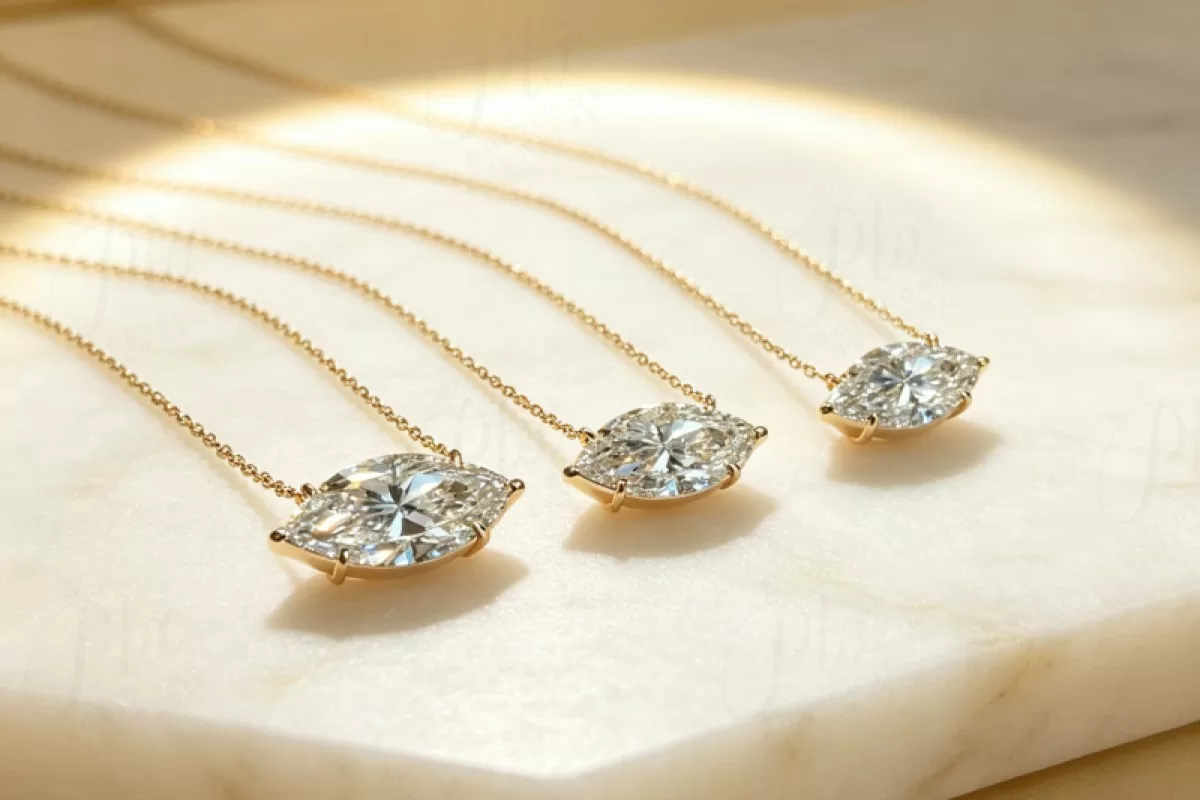
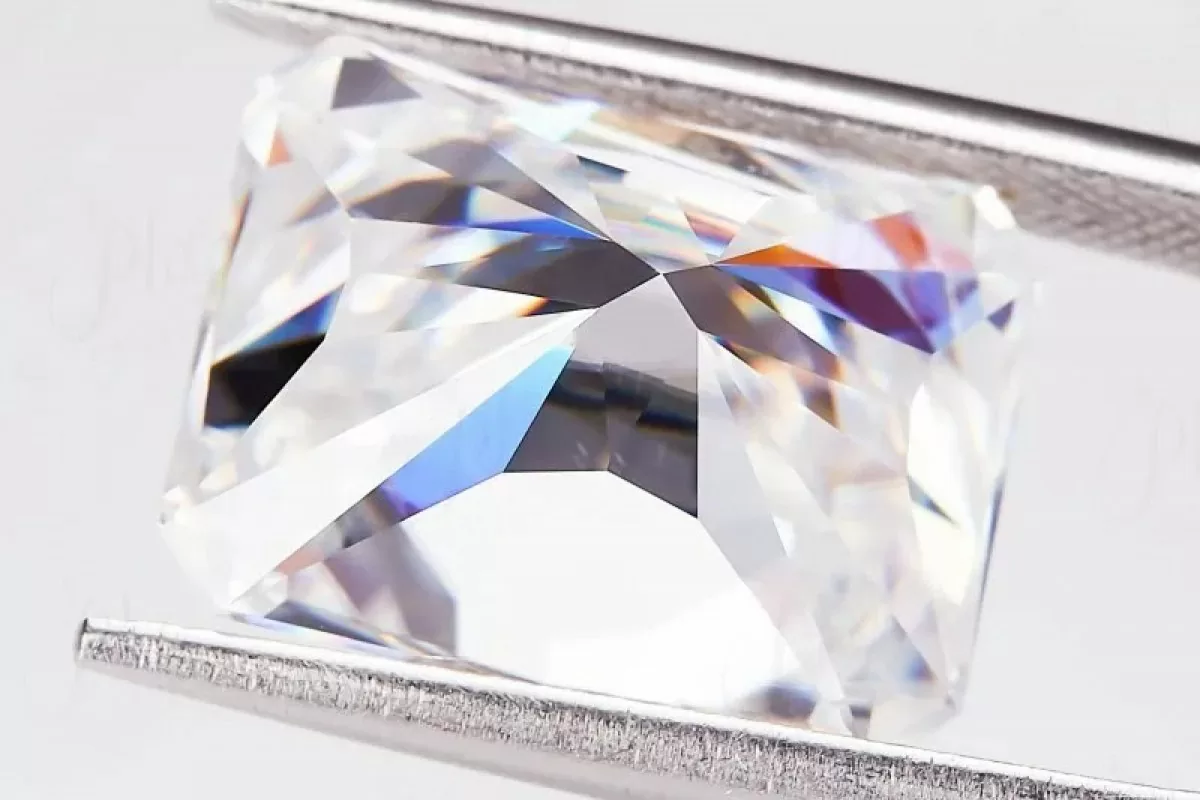
In the jewelry community, lab-grown-diamond are among the most-discussed topics—with active conversations on Reddit (r/Moissanite, r/EngagementRings), Facebook groups, jewelry forums, and review platforms. Buyers share vendor experiences, post photos of their pieces, compare stones from different manufacturers, ask questions about care and maintenance, and help each other navigate purchasing decisions. This guide consolidates community knowledge and answers the most common questions about lab-grown-diamond.
6 replies in this thread
Lab-Grown-Diamond Styles Available
| Style | Details | Wholesale Price |
|---|---|---|
| LGD Rings | Engagement, wedding, fashion; HPHT/CVD stones | $80-$1200 |
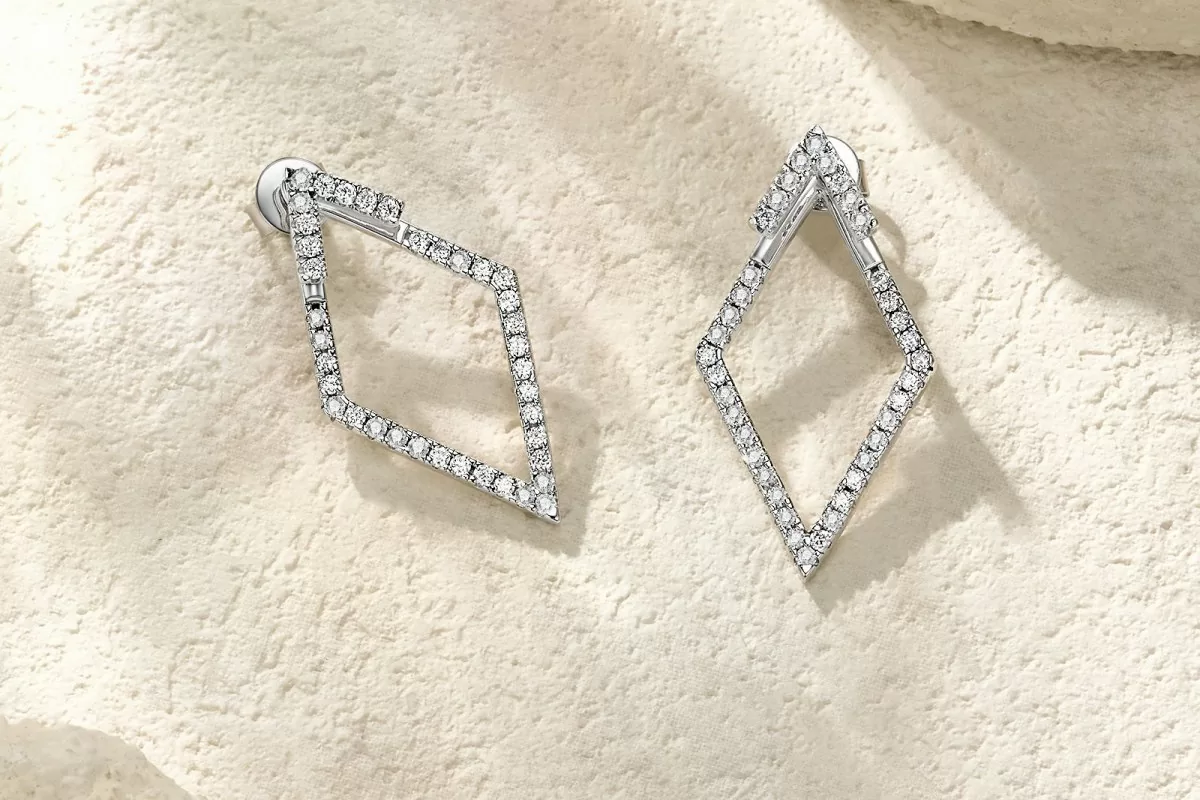
| LGD Earrings | Studs, hoops, drops; IGI-certified stones | $45-$400/pair |
| LGD Necklaces | Pendants, tennis necklaces; 0.1-5ct stones | $55-$600 |
| LGD Bracelets | Tennis, bangles, chain; certified stones | $90-$800 |
| Loose LGD | HPHT/CVD, D-J color, VS-SI, various cuts | $50-$3000/stone |
Community Insights
Community discussions consistently highlight several themes: moissanite offers exceptional value vs diamond; buying from established manufacturers with transparent return policies reduces risk; stone color preference is personal (some prefer warm GHI over icy DEF); and rhodium plating on silver requires occasional re-plating (every 1-2 years for daily wear pieces). Reddit's r/Moissanite has 100,000+ members sharing photos, vendor reviews, and buying advice.
Common Buying Mistakes
New buyers often: (1) Choose sizes too large for their hand/frame (try on similar sizes locally before ordering); (2) Select ultra-thin bands that bend easily under daily wear; (3) Skip the screw-back upgrade for valuable studs; (4) Don't verify seller return policies before purchasing; (5) Fail to insure valuable pieces after delivery.
Product Specifications
- Stones: HPHT and CVD lab-grown diamonds, Type IIa available
- Grades: D-J color, IF-SI clarity, Excellent/Very Good cut
- Certifications: IGI (standard); GIA available at premium
- Sizes: 0.5mm melee to 12mm (6ct+) available
Pricing and MOQ
| Order Size | Pricing | Lead Time |
|---|---|---|
| Individual pieces | Retail pricing | Ready to ship 1-3 days |
| Starter collection (10pc) | Mixed selection | 5-7 days |
| Complete collection (30+pc) | Curated bulk | 10-20 days |
Browse our full catalog: Loose LGD stones, lab diamond rings, LGD earrings, LGD necklaces, LGD bracelets, and LGD OEM services.
All manufacturing processes adhere to FTC Jewelry Guides for metal quality marking and disclosure of lab-created materials. Moissanite rates 9.25 on the Mohs scale, making it suitable for daily-wear jewelry. Production quality follows GIA gem quality standards with in-house gemologists grading every stone before setting.
Frequently Asked Questions
What is the difference between HPHT and CVD lab diamonds?
HPHT diamonds grow under high pressure high temperature mimicking natural formation; CVD diamonds grow from carbon gas in a vacuum chamber. Both are chemically, optically, and physically identical to natural diamonds.
Are lab-grown diamonds real diamonds?
Yes. Lab-grown diamonds are crystallized carbon with the same hardness (10 Mohs), refractive index (2.42), and chemical composition as natural diamonds. The FTC recognizes them as diamonds in 2018 guidance.
Are your lab diamonds certified?
Yes. IGI certificates are standard for our lab-grown diamond jewelry. GIA certificates are available at a premium for stones over 1ct.
How much cheaper are lab-grown vs natural diamonds?
Lab-grown diamonds typically cost 50-70% less than equivalent natural diamonds at wholesale, with larger savings on bigger stones.
Will lab-grown diamonds test as diamond on a diamond tester?
Yes. Lab-grown diamonds test positive as diamond on standard thermal conductivity testers (they conduct heat like natural diamond). Specialty testers can distinguish them.
Whether you're buying, selling, or simply learning about lab-grown-diamond, understanding the material science, quality factors, and care requirements helps you make informed decisions and get the most enjoyment from your jewelry.
Related Reading
Join the thread. Ask a sizing, setting or sourcing question and the bench answers.
Post a questionWritten By
HOLYCOME Editorial
Gemologists and setters at our own workshop. We have been cutting moissanite and lab grown stones since 2013.