Education
Birthstone Meanings by Month: The Modern Guide to Your Birthstone
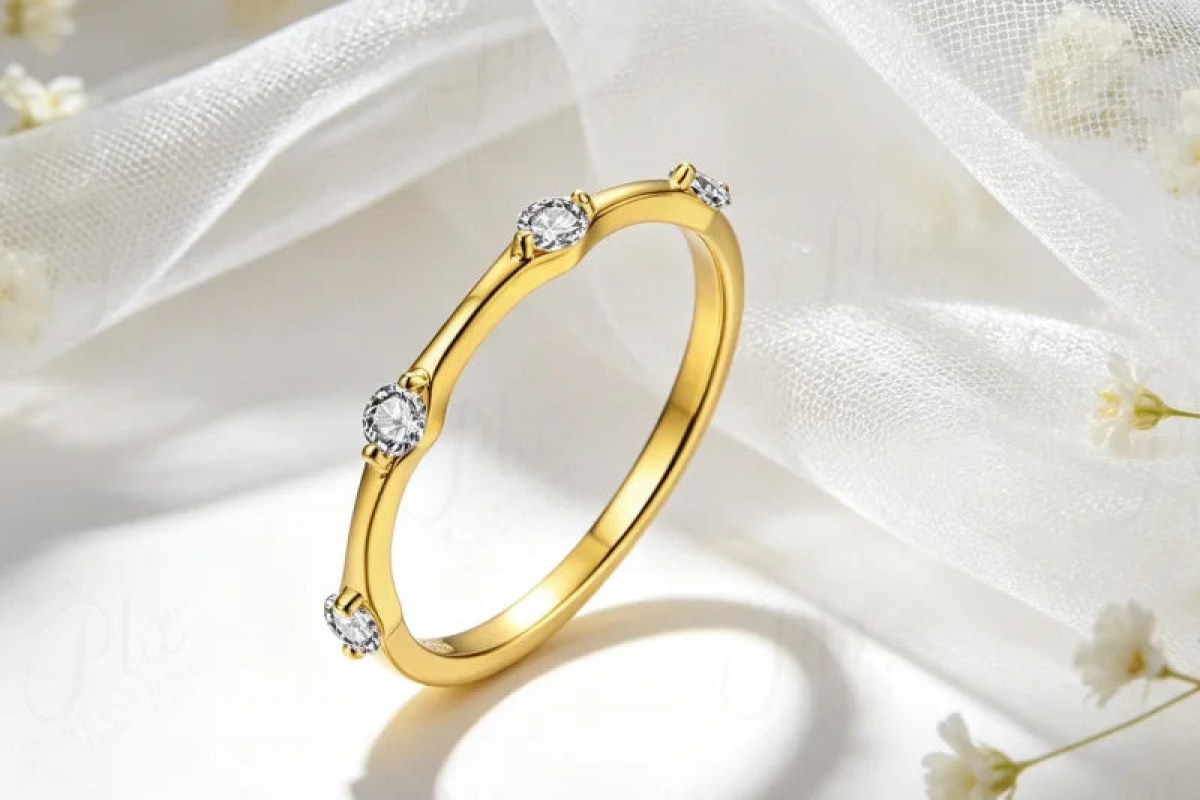
Birthstones are one of the most personal ways to wear jewelry. A birthstone ring feels like it is yours in a way a generic diamond never will. But most people know only the name of their birthstone, not its story, its properties, or why it is tied to that month in the first place. This guide walks through every modern birthstone and what each one actually means.
Where Do Birthstones Come From?
The idea of linking gems to months is ancient, with roots in breastplate stones described in historical texts. The modern list, however, was standardized in the United States in the 20th century by jewelry industry groups, partly to promote sales of certain stones. That means the modern list is practical and market-friendly rather than purely mystical.
Today, the list is flexible. Many months have multiple traditional stones, and modern alternatives (like spinel, tanzanite, and morganite) have been added. There is no single "correct" birthstone; the best one is the one you love.
January: Garnet
Garnet is January's deep red stone, long associated with protection, loyalty, and friendship. It is durable enough for everyday rings and comes in a range of colors, though red is the classic. Garnet is a meaningful gift for a January birthday and a solid choice for someone who wants color without high maintenance.
February: Amethyst
Amethyst is the purple quartz, linked through history with calm, clarity, and sobriety. Its name comes from a Greek word meaning "not drunken," and it has long been associated with clear-headedness. Amethyst is affordable, widely available, and looks beautiful in both silver and gold.
March: Aquamarine
Aquamarine, the pale blue beryl, is tied to the sea and to calm. It is a softer, lighter alternative to sapphire and has become a favorite in engagement rings for its gentle color. Larger, cleaner aquamarines can be surprisingly valuable, but everyday jewelry sizes are very approachable.
April: Diamond
Diamond is April's traditional birthstone, and it is also the world's most popular engagement ring stone. Symbolically it stands for strength, endurance, and enduring love. If you want the April birthstone look without the diamond price, moissanite and white sapphire are natural stand-ins that share the same clear-white aesthetic.
May: Emerald
Emerald is the vivid green variety of beryl, associated with renewal, hope, and spring. It is one of the "big four" colored gemstones, along with ruby, sapphire, and diamond. Emeralds are softer and more included than other big stones, so they need a little more care, but their color is unmatched.
June: Pearl, Alexandrite, Moonstone
June is the most flexible month. Pearl is the traditional birthstone, organic and elegant. Alexandrite is the rare color-changing stone, shifting from green in daylight to red under warm light. Moonstone, with its soft adularescent glow, is a popular modern alternative. Any of these works beautifully in a June piece.
July: Ruby
Ruby is the red variety of corundum, the same family as sapphire. It has symbolized love, passion, and power for thousands of years, and fine rubies can be rarer and more valuable than diamonds. Ruby is a bold birthstone choice, especially in a simple gold setting.
August: Peridot
Peridot is the bright olive-green gem formed in lava and even in meteorites. It is associated with warmth, light, and protection. Peridot is softer than the big four stones, so it works best in rings that see gentle wear, or in earrings and pendants.
September: Sapphire
Sapphire, the blue corundum, is the classic September stone, tied to wisdom, loyalty, and faith. It is also one of the most durable gemstones on the market, making it ideal for engagement rings. Blue sapphire is iconic, but sapphire comes in every color except red (which is ruby).
October: Opal and Tourmaline
Opal is the iridescent, play-of-color stone associated with creativity and imagination. Tourmaline, available in a rainbow of colors, is a tougher modern alternative. Both are October stones, and both reward careful lighting: opal in particular needs to be seen in person to be appreciated.
November: Citrine and Topaz
Citrine is the warm yellow quartz, linked with joy and energy. Topaz, especially in its warm brown or imperial shades, is the traditional November stone. Both are affordable, cheerful, and easy to wear.
December: Turquoise, Blue Topaz, Tanzanite
December has the most modern additions. Turquoise is the historic, soft blue-green stone. Blue topaz is the affordable, bright modern pick. Tanzanite, the violet-blue stone found only in Tanzania, is the newer luxury option. Each gives December birthdays a very different look.
How to Choose a Birthstone You Will Actually Wear
The list above is a starting point, not a rule. When choosing a birthstone piece, think about:
- Hardness: a ring stone should be at least a 7 on the Mohs scale. Save softer stones for pendants and earrings.
- Color you actually wear: if you never wear green, a peridot ring may sit in a box.
- Metal tone: some stones look better in yellow gold, others in white metal.
- Budget: traditional stones vary wildly in price. Modern alternatives can give you the look at a friendlier cost.
Modern Alternatives and Mixing Months
Because the traditional birthstone list was partly shaped by 20th-century marketing, many modern jewelers offer alternative birthstones that better match contemporary taste. Morganite is a popular stand-in for several months, tanzanite has been adopted by December birthdays who want something more vivid than turquoise, and lab-grown versions of ruby and sapphire have opened up the "big four" to buyers on a budget.
You are also allowed to mix. A popular modern look is a birthstone ring that combines your birth month with your partner's, or a cluster ring that uses the birthstones of children or parents. Birthstones do not have to be a single, solitary stone; they are a palette. Treat the list as a starting point and build a piece that tells your own story.
If you are buying a birthstone as a gift, the safest bets for everyday wear are the harder stones: ruby, sapphire, diamond, garnet, amethyst, citrine, and topaz. They will survive being worn without a second thought. Save the softer stones like opal, pearl, and peridot for someone you know will treat them carefully. Whatever you choose, a birthstone piece carries a personal meaning that generic jewelry simply cannot match.
Bottom Line
Birthstones are a lovely tradition, but the modern list is a guide, not a rule. Pick the stone that speaks to you, in the color you actually wear, in a setting you will love for years. Whether you go traditional ruby, modern tanzanite, or a moissanite stand-in for April, the best birthstone is the one you will not want to take off.
Related Posts
Written By
Jewelry Forum Hub Team
Gemologists and setters at our own workshop. We have been cutting moissanite and lab grown stones since 2013.

