HOLYCOME Trade DeskOP
November 9, 2026 · 8 min read
Trends OEM Sourcing: Brief, Tolerance and the First Repeat
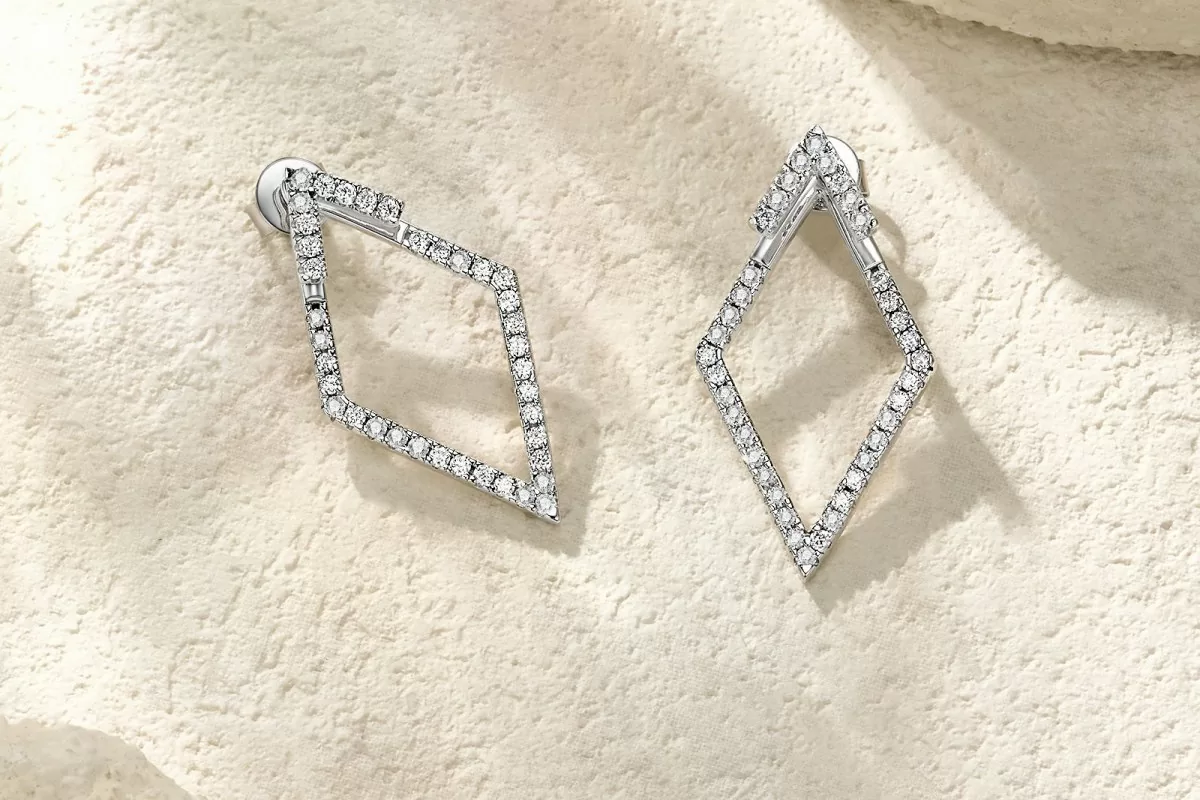
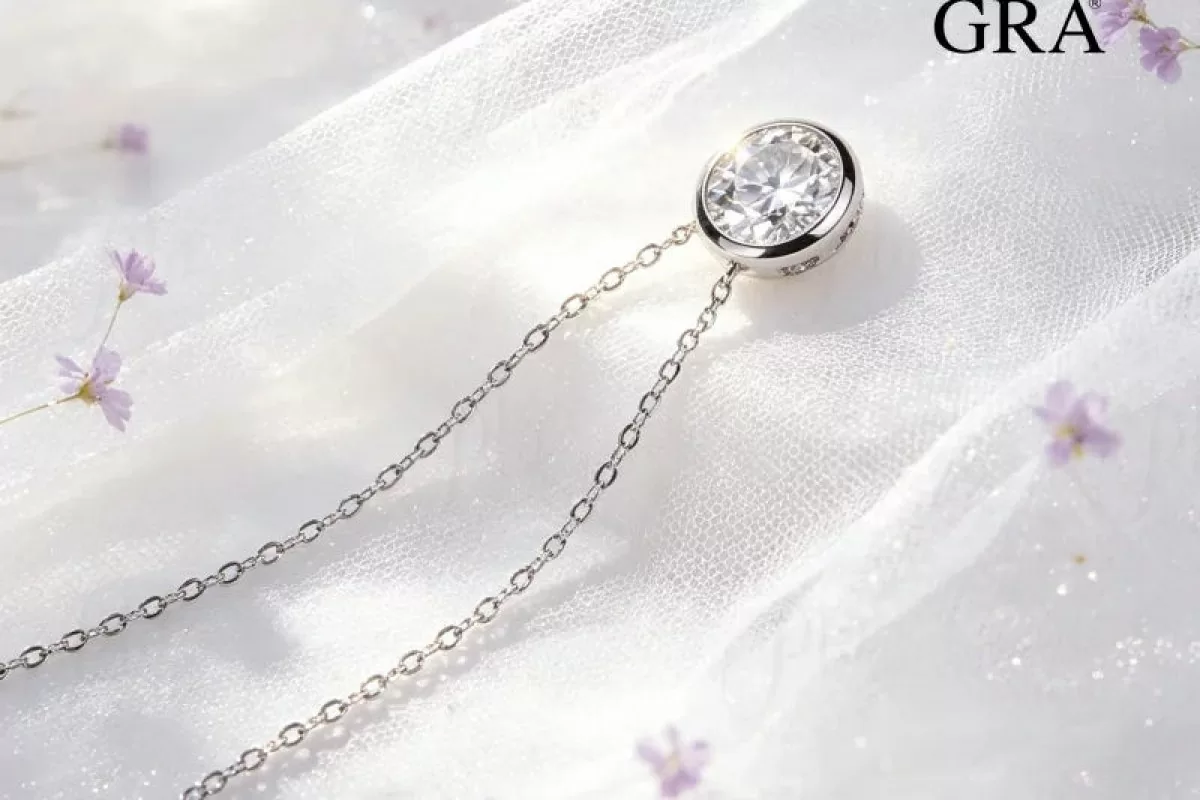
A 32-door accessory chain in Columbus asked for 500 jewelry pieces at a landed price of $4.20 and the second order came back at $5.60 because the first quote excluded plating thickness and stone matching, and the buyer had already published a $9.99 retail price. The order was not lost on price. It was lost on a specification nobody wrote down. This piece looks at trends from the buyer's side of the table: what the promise means at the bench, what it costs to get it wrong, and how to write a brief a factory can be held to.
17 replies in this thread
Why the Quoted Unit Price Almost Never Survives the First Reorder
The number that kills a wholesale programme is not the unit price. It is the second unit price. A quote that assumes one plating lot, one stone parcel and one production run is a quote for one order, not for a year of reorders.
We publish the cost stack so a buyer can see which line moves. That is the only way to keep a retail price stable while metal and stone costs move underneath it.
What the Industry Standard Delivers, and Where It Breaks
The default offer in this category is a stock photo, a unit price and a thirty-day promise. That works for one order and stops working on the second, because a stock photo cannot specify necklace.
| Comparison | Common practice | What we hold | Why it matters |
|---|---|---|---|
| Cost line | Common quote | Our quote | |
| Base metal | spot + 8% | spot + fixed fabrication, locked quarterly | |
| Plating | not itemised | 0.05-0.10 micron rhodium, priced per piece | |
| Stone matching | flat allowance | parcel graded, priced on hue band | |
| Setting labor | hidden in unit price | per-operation, visible on the sheet |
How We Build a Price That Holds for Twelve Months
Hue and tone match across the three pieces is the number we publish per lot. It is the one a buyer can check with a caliper and a loupe in ten minutes, and the one that decides whether a reorder is a formality or a negotiation.
- Lot and rack reference on every carton
- Necklace declared on the invoice, not assumed
- One plated sample approved per rack before the run
- Stone parcel photographed and hue band stated in writing
Sampling Plan and the AQL We Work To
We inspect at AQL 2.5 on the final line and 3 to 5 per cent on setting, sampled per carton rather than per lot. Per-carton sampling is stricter because a defect that clusters in one carton is a process problem, not a random one.
Anything above the AQL is held and reworked before packing. We do not sort after arrival, because sorting after arrival is a cost the buyer pays and a defect the buyer discovers in front of a customer.
What the Buyer Can Verify in Ten Minutes
At the receiving table: count per SKU against the packing list, weigh three pieces, measure the matching set, check one stone at 10x for seat and tilt, and confirm the plating color against an approved sample.
Five checks, ten minutes. They catch the defects that are visible on day one and free the buyer to argue about the ones that are not, with evidence rather than impression.
Specification, Field by Field
Read the specification as a checklist: necklace, earrings and bracelet matched in stone size, hue and metal finish within one production lot. Each comma is a decision someone made, and each decision has a cheaper alternative that a factory can substitute without telling you.
The substitution is usually invisible on delivery. It shows up as a hue shift in month three, a prong that will not hold after a resize, or a plating that reads slightly warm under store lighting.
How Hue Is Measured
We measure hue and tone match across the three pieces on every lot and record the number against the rack. It is the one figure a buyer can independently verify with a caliper, a loupe and ten minutes at the receiving table.
If the number is inside the band, the lot ships. If it is outside, it goes back to the bench rather than into a carton with a note that says the buyer should expect variation.
What One Returned Matching set Actually Costs
A returned matching set costs the unit price twice: once in goods, once in handling, plus the freight both ways and the customer's lost confidence. On a matching set the handling is usually larger than the margin.
That is the arithmetic behind every decision on this page. A cent saved on plating is not a saving if it produces a return rate two points higher.
Sampling Plan and the AQL We Work To
We inspect at AQL 2.5 on the final line and 3 to 5 per cent on setting, sampled per carton rather than per lot. Per-carton sampling is stricter because a defect that clusters in one carton is a process problem, not a random one.
Anything above the AQL is held and reworked before packing. We do not sort after arrival, because sorting after arrival is a cost the buyer pays and a defect the buyer discovers in front of a customer.
Where the Margin Leaks After the Order Lands
The unit price is the visible cost. The invisible ones are returns, size exchanges, replating, markdowns and the labor of photographing a piece that arrived with the wrong tone.
On a typical wholesale programme those five add between eight and fourteen per cent to the real cost of goods. Fixing plating thickness and stone hue band removes most of it before the first season ends.
The Difference Between Capacity and Availability
Capacity is how much a line can make in a month. Availability is how much of that is free in the week you need it. Factories quote the first and deliver the second.
We quote capacity per line and then reserve a slot against your deposit, so the date you are given is a booked date rather than an average.
How We Test Before the Carton Closes
Testing happens at four points and none of them is the packing table. The casting tree is checked for porosity and short fill, the setting bench for seat and tilt, the plating rack for thickness on a cross-section, and the final line for weight and dimension.
A final inspection alone catches perhaps a third of what goes wrong, because the other two thirds were decided upstream. That is why the record has four columns and not one.
Where the Margin Leaks After the Order Lands
The unit price is the visible cost. The invisible ones are returns, size exchanges, replating, markdowns and the labor of photographing a piece that arrived with the wrong tone.
On a typical wholesale programme those five add between eight and fourteen per cent to the real cost of goods. Fixing plating thickness and stone hue band removes most of it before the first season ends.
What It Costs and How Long It Takes
Fifty pieces per design is the working minimum on trends. A sample runs three to five days, bulk fifteen to twenty days under 500 pieces, and a custom mold twenty-five to thirty days from drawing approval. Payment is 30% deposit with the balance against the bill of lading copy.
If the order is below fifty, the setup cost per piece roughly doubles because the casting tree and the plating rack are fixed costs. That is arithmetic, not a policy to negotiate around.
| Item | Value | Note |
|---|---|---|
| MOQ | 50 pcs / design | sizes and colors can be split |
| Sample | 3-5 days | one piece, approved before the run |
| Bulk lead time | 15-20 days | under 500 pieces |
| Custom lead time | 25-30 days | from drawing approval |
| Payment | 30% / 70% | balance against B/L copy |
| Port | Guangzhou / Shenzhen | export from Wuzhou |
Frequently Asked Questions
What is the minimum order for trends?
Fifty pieces per design, and you can split that across three ring sizes or two plating colors without a surcharge. Below fifty, the setup cost per piece roughly doubles because the casting tree and the plating rack are fixed costs.
Do prices change between orders?
Metal moves, so we quote a base plus a metal adjustment clause reviewed quarterly. Your unit price stays flat inside the quarter, and the clause is one line you can audit against the London fix rather than a vague surcharge.
Can you match a competitor's price?
Usually we can show why their price is lower. It is normally thinner plating, a lower stone grade, or a stock photo instead of a production sample. We will quote the same specification and let you compare like for like.
What payment terms apply?
Thirty per cent deposit with the balance against the bill of lading copy. For repeat buyers past three clean orders we move to thirty days after shipment on approval.
Can you produce a second lot identical to the first?
Yes, if we hold the four inputs: alloy batch, stone parcel, plating tank and setting team. The reorder sheet records all four, so the check happens against a document rather than against a memory.
What happens if the lot arrives outside the agreed tolerance?
Photograph the piece with a scale and reference the lot line. Above the agreed AQL we replace and cover freight; inside it we replace the affected units inside ten days.
About the Manufacturer
HOLYCOME by Wuzhou HengliLai Jewelry Co., Ltd. runs casting, setting, polishing and plating on one site in Wuzhou, Guangxi, the artificial gemstone cluster that supplies most of the trade. Monthly capacity is roughly 60,000 pieces across silver and gold lines. Buyers can reach the trade desk at service@holycome.com or on WhatsApp at +86 133 7744 7107, and a factory visit can be arranged with two weeks' notice.
Next Step
If you are pricing trends for a season, send the quantity per design, the stone grade you need and the date you need it on the shelf. We will return a drawing, a landed cost and a production date within three days, and a physical sample before you commit to a run. Samples are charged at cost and credited against the first order.
Related reading: Bulk Silver User Reviews Supplier - HOLYCOME, Wholesale Silver Jewelry Discussion - HOLYCOME, Bulk Lab Diamond Appraisal Cost Supplier - HOLYCOME
Join the thread. Ask a sizing, setting or sourcing question and the bench answers.
Post a questionWritten By
HOLYCOME Trade Desk
Gemologists and setters at our own workshop. We have been cutting moissanite and lab grown stones since 2013.