Holycome Trade DeskOP
November 24, 2026 · 8 min read
Buying Guides Wholesale: sizing & durability
8 replies in this thread
Buying Guides for Moissanite Jewelry Wholesale: Sizing, Settings, and Durability
Wholesale buyers evaluating moissanite jewelry need to weigh three practical factors before placing an order: ring sizing strategy, setting selection, and stone durability. This buying guide walks through each decision in the order a buyer typically faces them, from confirming size runs with a factory to matching a setting style to a target customer and verifying that the finished pieces will hold up to daily wear.
Every point below reflects how an experienced manufacturer handles these questions in production, so you can use it as a checklist when comparing suppliers or preparing your first purchase order.
Why Sizing Decisions Come First
Sizing affects inventory cost, return rates, and reorder cycles more than almost any other specification. Before you commit to a style, decide whether you are ordering stock designs or custom work, because the sizing rules differ between the two.
Stock Styles and Size Runs
Stock styles carry a minimum order quantity of 1 piece, which makes them a low-risk way to test a size range. Most US retailers stock a core run between size 5 and size 9, with sizes 6 and 7 moving fastest for women's bands. Because you can order a single piece per size, a sensible approach is to buy a small spread across the run, watch which sizes sell through, and then reorder deeper on the winners.
Keep notes on the sizes you sample; the factory can hold that data for repeat orders.
Custom Work and Size Specifications
Custom work carries a 30-piece minimum per style. At that volume, a sizing mistake is expensive, so put your size list in writing before production begins. Specify US sizes, confirm band widths, and ask whether the factory adjusts sizing during setting or after. Ring sizing for moissanite pieces follows the same practice as diamond jewelry: the stone is set after the band is sized, and resizing after setting requires removing the stone in some setting styles.
Sampling runs 7 to 10 days, which gives you time to check the sample ring on a mandrel and confirm the size before approving bulk production of 15 to 25 days.
Choosing Settings for Wholesale Programs
The setting determines both the look and the service burden of a piece. For wholesale buyers, the goal is to match setting complexity to your customer's expectations and your after-sales capacity.
Solitaire and Four-Prong Settings
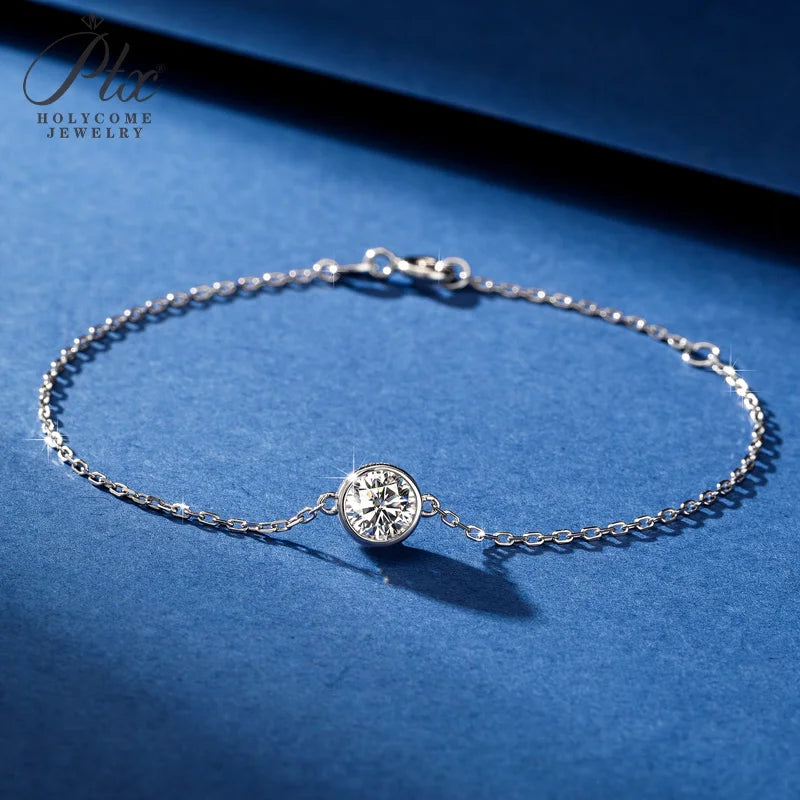
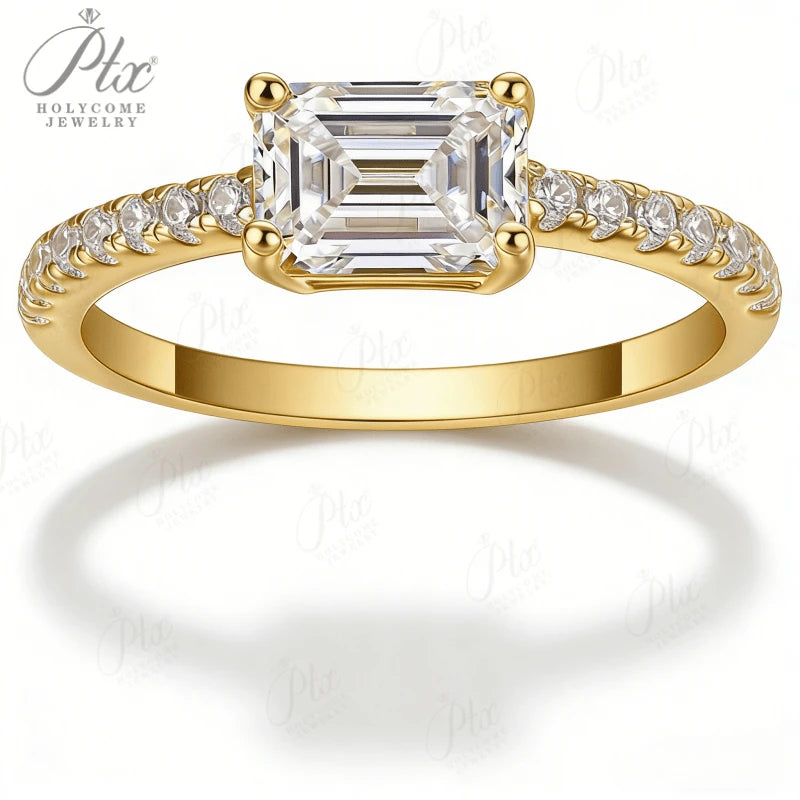
Solitaires with four prongs remain the most forgiving choice for a first collection. They expose more of the stone, clean easily, and resize without complications. Four prongs suit round and oval moissanite well because the stone's hardness allows thin prongs that show more of the table. For a buyer building a starter program, solitaires in 925 sterling silver keep unit costs predictable and simplify QC conversations with the factory.
Halo, Pavé, and Channel Settings
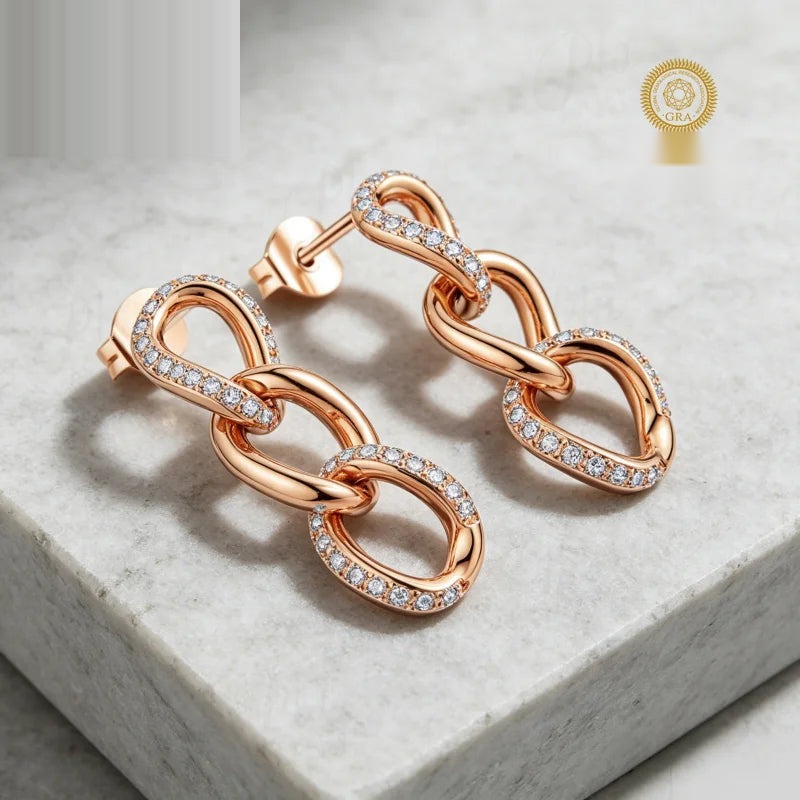
Halos and pavé bands photograph well and command higher retail prices, but they add labor and more stone seats per piece, which means more points to inspect. Channel-set side stones resist snagging, making them a practical pick for men's bands and everyday styles.
When you order these settings, ask the factory how the in-process QC stage checks stone seating; a supplier running a three-stage inspection—incoming material, in-process, and pre-ship AQL—will catch loose stones before pieces ship rather than after they reach your customers.
Bezel Settings for Durability-Focused Buyers
A full bezel surrounds the stone's girdle with metal, protecting the edges from knocks. It suits men's rings, signets, and any line marketed for daily wear. The tradeoff is a slightly smaller apparent footprint of the stone and a more covered profile, which some customers prefer and others do not. Offering one bezel model alongside prong styles lets you cover both preferences without expanding the line dramatically.
Metal Selection and Honest Labeling
Metal choice drives cost, durability, and how you describe the product. Name the true metal in every listing: 925 sterling silver, 10K/14K/18K solid gold, gold vermeil, or gold plated. Sterling silver is the entry point for most wholesale programs and pairs well with rhodium finishing. Gold vermeil uses a thick gold layer over sterling silver and sits between plated and solid gold in durability.
Solid gold in 10K, 14K, or 18K carries the highest unit cost but supports the strongest positioning for fine-jewelry customers. Never describe plated or vermeil pieces as solid gold; accurate labeling protects your listings and reduces disputes.
Durability: What Buyers Can Verify
Moissanite is a lab-created diamond alternative with hardness around 9.25 on the Mohs scale, which places it below diamond but above every common substitute in everyday wear. Hardness alone does not tell the whole story, though; a wholesale buyer should evaluate durability across three layers: the stone, the metal, and the setting work.
Stone Durability and Grading Papers
Moissanite resists scratching and abrasion in normal wear and does not cloud the way coated simulants do. For graded stones, ask for GRA or IGI papers with each lot, and match the paper to the piece during your receiving check. Loose stones are sold by the carat, so when you buy stones separately from settings, request the papers per carat lot and keep them filed by purchase order. Documentation matters if a customer ever questions what they bought.
Metal Durability by Material
Solid gold in 10K is harder than 18K because of its higher alloy content, which makes it a reasonable choice for bands that take daily contact. Sterling silver is softer and will develop a patina; rhodium plating slows that process but wears through at contact points over years. Gold plated pieces are best positioned as fashion jewelry with clear expectations. Match the metal to the intended wear pattern of the collection rather than assuming one material fits all styles.
Setting Work and Long-Term Wear
The most common durability failures in wholesale jewelry are stone loss from thin prongs and channel walls bent during resizing. During sampling, inspect prong tips under magnification, check channel walls for evenness, and wear the sample for a few days before approving bulk. Because sampling takes only 7 to 10 days, this test fits inside your buying calendar without delaying a season. Ask the factory to confirm tolerance on prong thickness and stone seat depth for custom runs.
Cost, Payment, and Logistics Planning
Once sizing, settings, and materials are settled, the remaining decisions are commercial. Pricing is quoted per piece or per carat depending on the item: finished jewelry is priced per piece, and loose stones are priced per carat. Confirm which basis applies to every line on your quotation so your landed-cost math stays clean.
Payment terms follow a standard structure: T/T with a 30 percent deposit and the 70 percent balance before shipment, while PayPal is accepted for sample orders. This lets you fund sampling with a lighter payment method and move to T/T for production runs once the sample is approved. Timing is predictable: sampling takes 7 to 10 days, bulk production takes 15 to 25 days after approval, and DDP delivery to the US takes 5 to 8 days.
Build those windows into your buying calendar, counting from sample approval rather than from deposit, since production does not begin until the sample is signed off.
Quality control is the last safeguard before goods leave the factory. A three-stage process—incoming material inspection, in-process checks during setting and polishing, and a pre-ship AQL inspection—catches the defects that matter most: off-size bands, loose stones, and surface finish problems. Ask your supplier to share the AQL sampling plan for your order so you know the acceptance threshold applied to your shipment.
Comparing the Main Setting Options
The table below summarizes how the four most common settings compare on the three factors this guide covers. Use it to shortlist styles before requesting samples.
| Setting | Best For | Durability Profile | Sizing Note |
|---|---|---|---|
| Four-prong solitaire | Starter programs, rings | Good stone visibility, prongs need checks | Resizes easily |
| Halo | Bridal-look collections | More stone seats to inspect | Check after resize |
| Channel | Men's bands, daily wear | Snag-resistant, secure stones | Resizing limited |
| Full bezel | Workhorse styles, signets | Edges fully protected | Sizing before setting |
Whichever settings you shortlist, order one sample per style before committing to the 30-piece custom minimum, and use the sampling window to test both the fit and the finish. A sample that survives a week of handling in your office is a far better predictor of performance than a product photo.
Order Terms for Wholesale Buyers
MOQ is 1 piece for stock styles and 30 pieces for custom work, and loose stones are sold by the carat. Sampling takes 7 to 10 days, and bulk production runs 15 to 25 days after the sample is approved. Pricing is quoted per piece or per carat depending on the item. Payment is T/T with a 30% deposit and the 70% balance before shipment, and PayPal is accepted for sample orders.
Frequently Asked Questions
What is the minimum order quantity for moissanite jewelry?
Stock styles require only 1 piece per order, so you can test size runs and styles with minimal commitment. Custom work requires 30 pieces per style. Loose stones are sold by the carat with no piece minimum.
How long does sampling and bulk production take?
Sampling takes 7 to 10 days from when your specifications are confirmed. Once you approve the sample, bulk production takes 15 to 25 days, and DDP delivery to the US adds 5 to 8 days.
Which certification comes with the stones?
Graded stones ship with GRA or IGI papers. Request the papers with each lot and match them to your pieces during receiving, especially when buying loose stones by the carat for your own setting work.
What payment terms apply to wholesale orders?
Bulk orders are paid by T/T with a 30 percent deposit and the 70 percent balance before shipment. Sample orders can be paid through PayPal, which simplifies the testing phase before you commit to production volume.
How should I describe the metal in my listings?
Use the exact material: 925 sterling silver, 10K/14K/18K solid gold, gold vermeil, or gold plated. Moissanite itself should be described as a lab-created diamond alternative, not as a natural or real diamond. Accurate terms protect your listings and reduce returns.
Start Your Wholesale Program
If you are ready to turn these sizing, setting, and durability decisions into an order plan, browse the category buying guides and product resources for more detail on materials and QC, read about our factory and manufacturing process to see how the three-stage inspection works in practice, or contact our wholesale team to request samples and a quotation for your first run.
Sources: Grading references: GIA gem education and GIA laboratory information.
Join the thread. Ask a sizing, setting or sourcing question and the bench answers.
Post a questionWritten By
Holycome Trade Desk
Gemologists and setters at our own workshop. We have been cutting moissanite and lab grown stones since 2013.