Jewelry Forum Hub TeamOP
September 12, 2026 · 3 min read
Selling Inherited Jewelry: What Appraisers Actually Offer
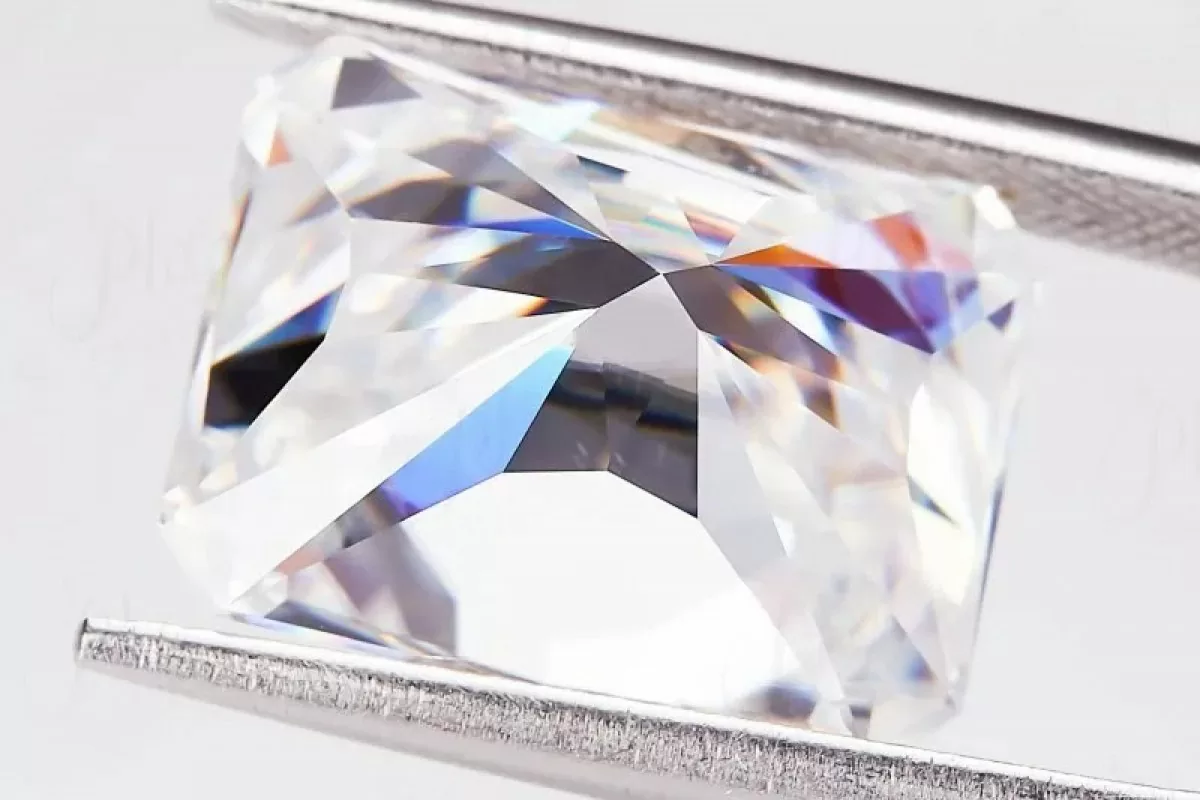
Inherited a ring, a box of brooches, or a loose stone and have no idea what it's worth? This thread is for the people who have already been through the appraisal-and-sale process. Drop the piece, the appraisal number, the offers, and what you accepted.
5 replies in this thread
The gap between appraisal and sale
The single thing people get wrong: an insurance appraisal is not a resale valuation. Insurance appraisals are set to retail replacement value - what it would cost to buy a comparable new piece. A dealer buying from you is paying wholesale, which historically lands 30-50% below retail replacement. That gap is not a scam; it's how resale works.
u/GrandmotherRing: appraised at $4,800 for insurance. Dealer offered $1,400 cash. Sold privately for $2,100 after 3 months. The appraisal number was useful for insurance, not for sale.
u/LooseStoneEstate: a 0.9ct loose diamond with no paperwork. Appraiser said unseen stone, maybe $800-$1,200. Got an offer of $600. Paid for a GIA dossier first ($120), then a dealer came up to $1,150. The paperwork paid for itself.
u/CostumeJewelryBox: thought the vintage 1960s brooches were junk. One had a real pearl and a dealer offered $350. The rest sold in a lot for $120.
What the process actually looks like
Step one: get an honest read before you accept any offer. Take the pieces to an independent appraiser (not the person buying) for a verbal or written valuation, usually $50-$150 an item. If there's a diamond, send it for a GIA or IGI report before negotiating - the GIA 4Cs are what dealers price against. The diamond reference is a useful baseline for what the certificate will actually tell you.
Step two: get three offers. A local jeweler, a diamond buyer, and (for higher-value pieces) an online auction house. Offers will vary by 20-40%. Step three: decide whether cash speed beats a private sale. Private sales on marketplace platforms typically add 20-30% over a dealer offer, but cost weekends and buyer risk.
Stones with special handling
Vintage pieces, signed designer jewelry, and pieces with historical context can outperform the raw material value. Costume jewelry from known brands sometimes sells above scrap metal. The FTC Jewelry Guides set disclosure rules for karat and treatment claims, which matters if you're reselling and want the listing to be accurate.
For comparison, the lab-grown vs natural resale thread shows the same appraisal-to-offer gap on newer pieces. And if you're keeping anything instead of selling, the birthstone durability guide
The emotional part nobody prices
Several owners mentioned that the hardest part was not the sale but deciding what to keep. A small inherited piece with no resale value - a child's first ring, a grandmother's wedding band - often becomes the most-worn piece in the box even though a dealer would offer $50. If you are splitting an estate with siblings, set aside the pieces with memory value before you price anything. The cash split is easier to negotiate than the memory split later.
For the pieces you do keep, a quick refresh makes them wearable again. A professional clean and prong check is $50-$100 and turns a dusty drawer piece into something you actually put on. The cleaning thread covers what not to try at home first. If you keep a stone to wear daily, the durability guide helps you decide which finger it belongs on.
One final tip: photograph everything before you take it to a dealer. Lighting, angles, and the dealer's counter all change how a piece shows. Your own photos at home give you a reference if an offer seems to have dropped after the jeweler examined it. It is not adversarial; it is just a clean paper trail for a sale that already carries enough emotional weight.
If you have been through this already, drop the piece, the appraisal, and the offer. The next person sorting a parent's jewelry box will read this thread before they make a decision, and the real numbers matter more than any generic estimate online. Good luck - this is harder than it looks on paper, but the right appraisal and three offers makes it manageable.
FAQ: Selling inherited jewelry
Is an insurance appraisal what I can sell for?
No. Insurance appraisal reflects retail replacement cost. Dealer offers typically land 30-50% below that. Private sales can close the gap but take time.
Should I get a GIA report before selling?
For a diamond over 0.5ct, yes. Certification usually raises the offer more than its $100-$150 cost. For smaller stones, the math is thinner.
Where is the best place to sell inherited jewelry?
Local jewelers and diamond buyers for fast cash. Online auction houses or private marketplaces for higher values and patience. Get at least three offers.
What if the piece has no paperwork?
That's normal for inherited jewelry. An independent appraiser can still assess it; for a diamond, getting a new certificate is the standard next step.
Frequently Asked Questions
How do I verify a factory before placing a bulk order?
Request a production video, business license, export records and a paid sample run. A factory that accepts a 50-piece test order is usually a real manufacturer.
What payment terms do you offer?
30% T/T deposit with the balance against the bill of lading. This protects both sides on first orders and can move to net terms after a track record.
What is your normal reject rate?
3–5% under 10x loupe inspection for cast and set pieces. Defective units are replaced free in the next shipment.
Where is the factory located?
Wuzhou, Guangxi, China—the core lab-grown and moissanite manufacturing cluster. Shipments go via Guangzhou or Shenzhen ports.
Join the thread. Ask a sizing, setting or sourcing question and the bench answers.
Post a questionWritten By
Jewelry Forum Hub Team
Gemologists and setters at our own workshop. We have been cutting moissanite and lab grown stones since 2013.