Holycome TeamOP
February 9, 2026 · 3 min read
Padparadscha Sapphire: The Rare Pink-Orange Gemstone
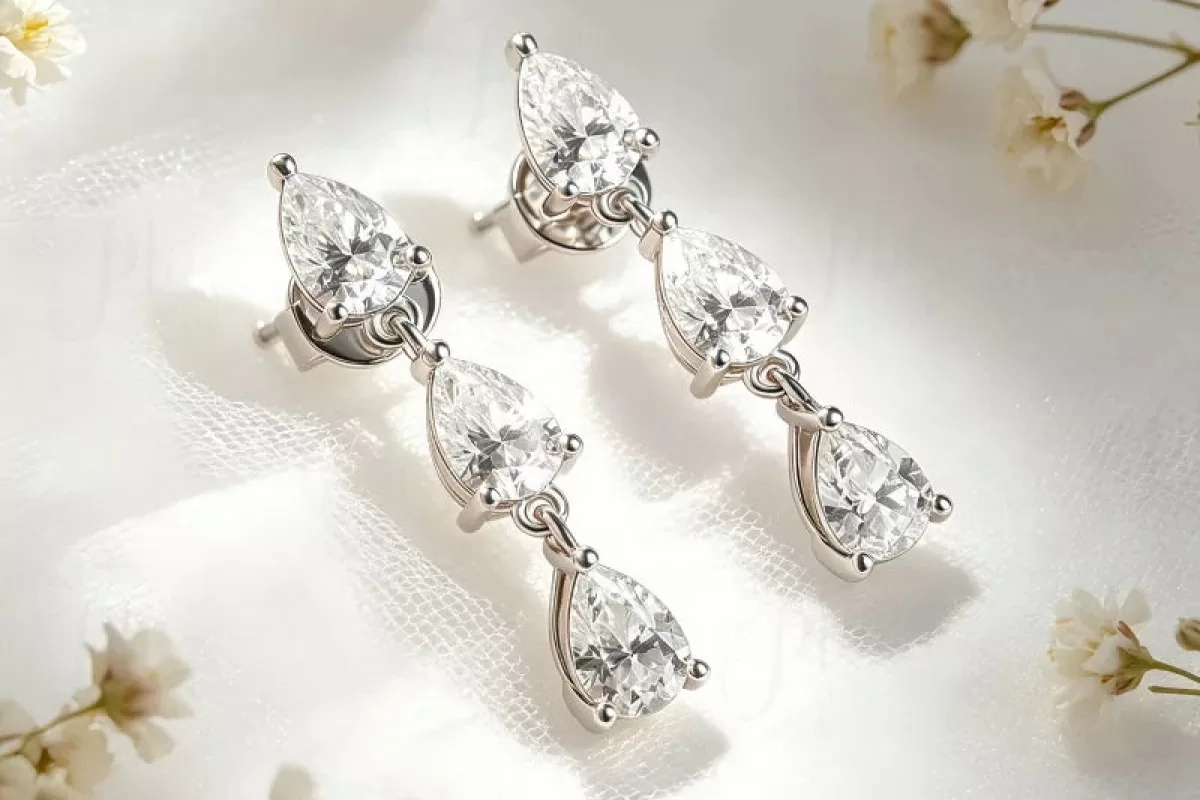
Padparadscha — from the Sinhalese word for lotus blossom — sits between pink and orange. It is the rarest and most contested color in the sapphire family.
7 replies in this thread
What counts as padparadscha
A true padparadscha shows both pink and orange together, with neither dominating, in a medium-light tone. Stones that lean strongly pink or strongly orange are usually sold as pink or orange sapphire instead — so expect some variation in how sellers use the name.
How it behaves in light
Padparadscha shifts with the light source: warmer and more orange under incandescent light, pinker in daylight. That color shift is part of its appeal and worth checking under both conditions.
Care and settings
Padparadscha is corundum — same family as ruby and blue sapphire — at 9 on the Mohs scale. It is hard enough for any ring setting, including daily-wear solitaires.
Buying checklist
- Look for balanced pink and orange, not one shade
- Prefer even color with no zoning
- Ask for the certificate and measurement
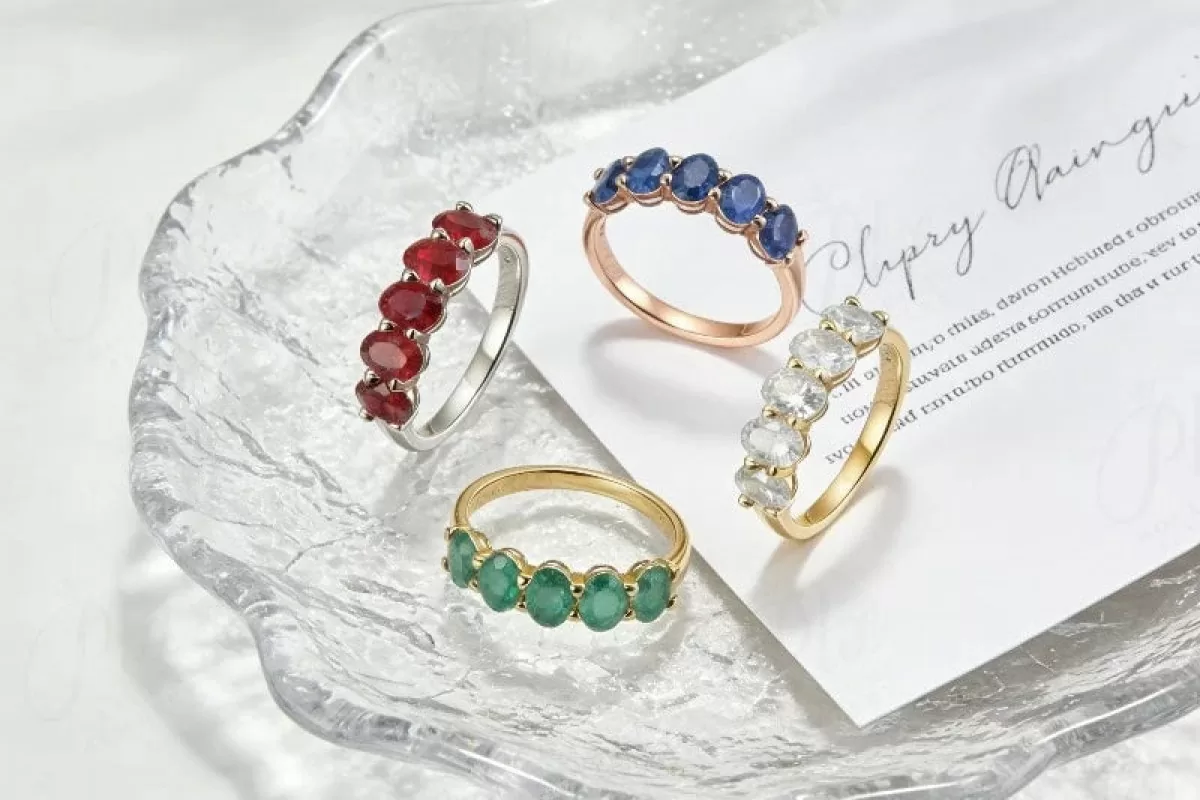
- Warm metals (yellow and rose gold) flatter it best
Related Posts
Authoritative References
For buyers who need to verify the technical and regulatory basis of this guide, the following independent institutions publish authoritative reference data:
- GIA Gem Encyclopedia - independent grading and identification reference for natural and lab-grown gems.
- Wikipedia: Moissanite - peer-reviewed background on moissanite chemistry, optics and history.
Frequently Asked Questions
How do I verify a factory before placing a bulk order?
Request a production video, business license, export records and a paid sample run. A factory that accepts a 50-piece test order is usually a real manufacturer.
What payment terms do you offer?
30% T/T deposit with the balance against the bill of lading. This protects both sides on first orders and can move to net terms after a track record.
What is your normal reject rate?
3–5% under 10x loupe inspection for cast and set pieces. Defective units are replaced free in the next shipment.
Where is the factory located?
Wuzhou, Guangxi, China—the core lab-grown and moissanite manufacturing cluster. Shipments go via Guangzhou or Shenzhen ports.
Join the thread. Ask a sizing, setting or sourcing question and the bench answers.
Post a questionWritten By
Holycome Team
Gemologists and setters at our own workshop. We have been cutting moissanite and lab grown stones since 2013.