Jewelry Forum Hub TeamOP
September 16, 2026 · 5 min read
Lab-Grown Diamond Insurance: Does It Differ
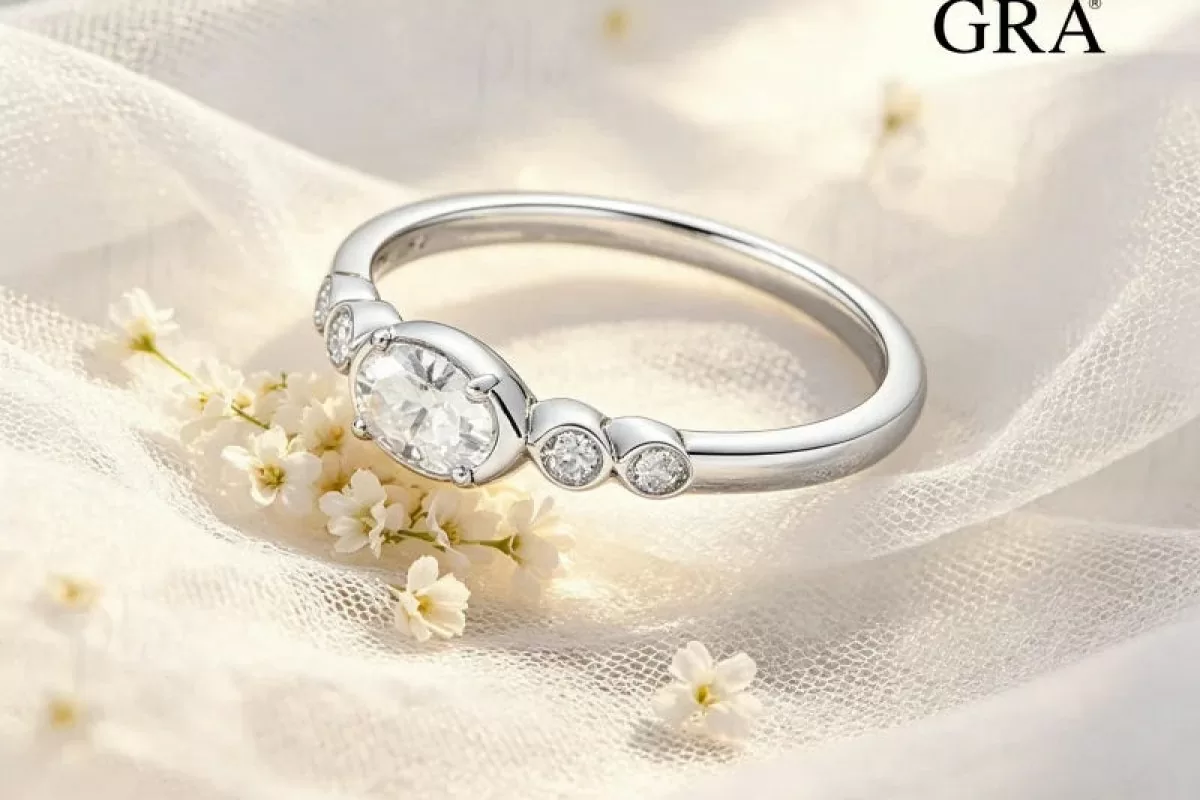
Spun up because someone asked whether their lab-grown engagement ring would actually be covered if lost, and the answers were all over the place. We sorted out how insurers treat lab-grown diamonds today, what they ask for, and where the real difference from a natural stone shows up. Short version: yes, it can be insured, but the valuation story is not the same.
4 replies in this thread
Are lab-grown diamonds accepted for insurance at all?
Most specialty jewelers' block insurers and many homeowners' riders will cover a lab-grown diamond. They do not reject the stone type the way they once did. What they want is an independent appraisal or grading report that states the stone is lab-grown, its carat, cut, color and clarity, and its current replacement value. A recognized report from a laboratory such as IGI or a similar grading body makes the policy straightforward. The lab-grown diamond entry confirms these stones are chemically and optically identical to mined diamond, which is why insurers treat them as insurable gems rather than fakes.
Where it actually differs: replacement value
The gap is not coverage, it is what the policy will pay out. Lab-grown diamonds do not hold the secondary-market value that mined ones historically have, and replacement costs for a comparable stone have fallen. So the appraisal must reflect today's actual replacement cost, not what you paid at retail three years ago. If you insure it at your original purchase price and the replacement cost has dropped, you overpay premiums; if you under-insure, you are out of pocket on a claim. Several owners here were told to get a fresh appraisal because their policy still listed the 2022 retail number.
This ties into the cost discussion we had in total owner cost of lab vs natural: lower upfront price is great, but it means the insured value tracks a more volatile, declining replacement market.
What to do before you bind the policy
Get a current appraisal that explicitly says lab-grown and states replacement value, keep the grading report, and photograph the ring. Tell the broker plainly it is lab-grown, because hiding that is how claims get denied. Ask how they value a loss: at replacement cost today, not at original retail. One owner who did this had no trouble when their ring was stolen; another who had assumed diamond-is-diamond had to argue the claim because the policy was written loosely. For long-term ownership impressions, the lab-grown long-term reviews thread has more on how the stones age.
A second question that came up: does the way the diamond was grown change coverage? CVD and HPHT stones are graded the same way once cut, and insurers do not separate them on the policy. The thing that moves the premium is the appraised replacement value, not the growth method. One owner said their broker asked for the lab report number specifically, so they could verify the carat and color matched the appraisal rather than taking the receipt at face value. We compared the two growth methods for visible differences in the CVD vs HPHT brightness thread, which is a separate question from insurance.
FAQ: insuring a lab-grown diamond
Q: Will insurance cover a lab-grown diamond like a natural one?
A: Yes, most jewelers' block and homeowners' riders now cover them. The difference is not acceptance; it is how the replacement value is set, because lab prices have fallen.
Q: Do I need a special appraisal for a lab-grown stone?
A: You need an appraisal or grading report that states the stone is lab-grown and lists its current replacement value. A generic diamond description can slow a claim.
Q: Is my lab diamond worth less if I ever need to claim?
A: The payout should match today's replacement cost for a comparable stone, which is lower than historic mined-diamond resale value. Insure at current replacement cost, not original retail.
Q: Can I just add the ring to my homeowners insurance?
A: Often yes, via a scheduled personal-property rider, but a separate jewelers' block policy usually covers more perils like mysterious disappearance. Read what is actually covered.
A related point that came up: do you need a separate rider, or does standard jewelry coverage already handle it? Most basic homeowners policies cover jewelry only up to a small, fixed limit, often around a thousand to two thousand dollars, and only for named perils like theft or fire. A scheduled rider or a jewelers block policy adds accidental loss, mysterious disappearance and wider coverage. For a lab-grown ring bought at a few thousand dollars, the scheduled rider is almost always worth it, and it costs only a small percentage of the appraised value each year. The mistake is assuming the base policy is enough and then discovering the gap after a loss.
For retailers: hand customers a one-pager on insuring lab-grown pieces, get a grading report, state it is lab-grown, insure at replacement cost. It builds trust and prevents the disappointed calls when someone discovers their coverage does not match what they expected.
Frequently Asked Questions
Is moissanite a good diamond alternative for retail buyers?
Yes for price-sensitive customers who want brilliance and hardness. Moissanite ranks 9.25 on the Mohs scale, holds up to daily wear and costs a fraction of a natural diamond of the same size, so it resells fast in bridal and fashion lines.
What is the minimum order for wholesale moissanite?
MOQ starts at 50 pieces per design for stock items. Custom cuts and private-label settings usually start at 100–300 pieces depending on the mold.
Do you provide certificates with moissanite stones?
Yes. Every parcel ships with GRA or IGI documentation listing carat weight, color grade and cut. We recommend passing the certificate to your end customer for trust.
How long does sample and bulk production take?
Samples ship in 3–5 days. Bulk runs take 15–20 days under 500 pieces, and 25–30 days for custom work.
Join the thread. Ask a sizing, setting or sourcing question and the bench answers.
Post a questionWritten By
Jewelry Forum Hub Team
Gemologists and setters at our own workshop. We have been cutting moissanite and lab grown stones since 2013.