Care
How Often Should You Get a Ring Checked by a Jeweler? A Practical Maintenance Schedule
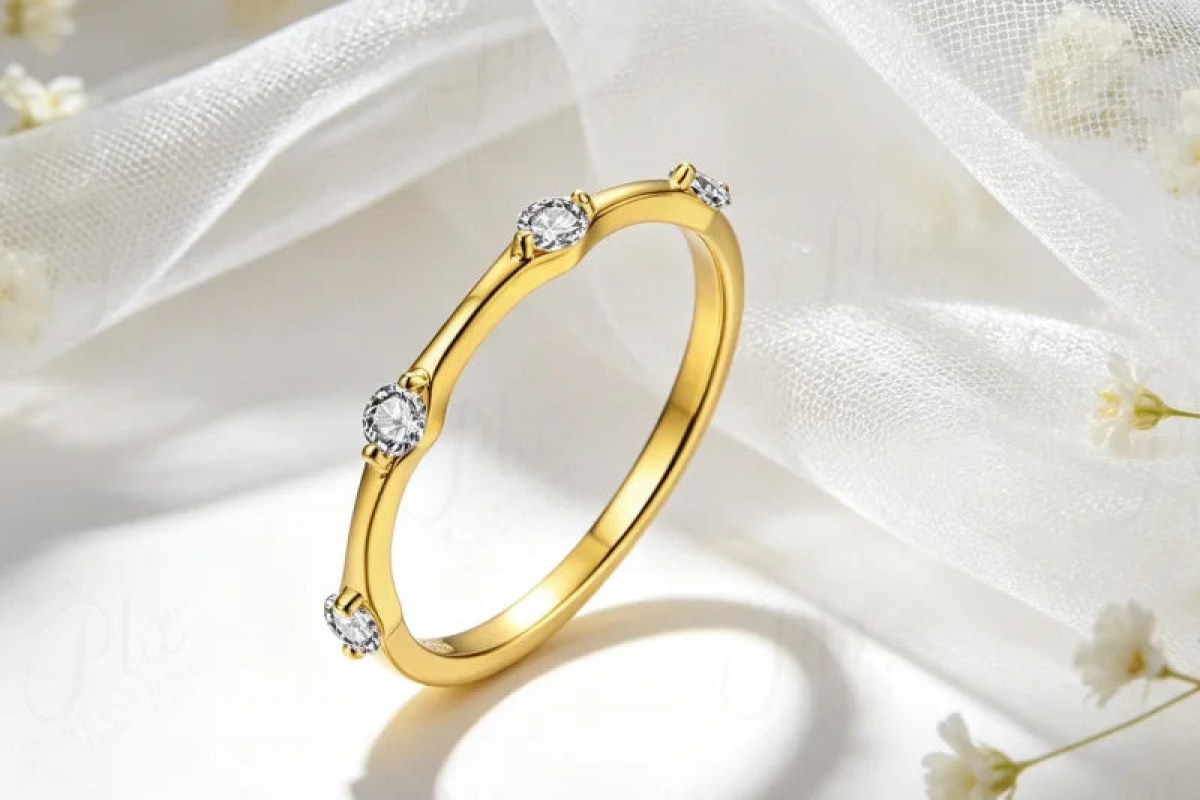
Most people take their car in for an oil change twice a year without thinking about it. Most people take their wedding ring in for a checkup… never. Until a stone goes missing. The question of how often you should get a ring checked by a jeweler comes up on the forum every time someone posts a "my stone fell out" story. The honest answer depends on how you wear the ring, what it is made of, and how the setting is built. In this guide, we lay out a realistic maintenance schedule, what a jeweler actually does during a checkup, and the warning signs that mean you should go in early rather than wait for your scheduled visit.
Why Rings Need Regular Checkups at All
A ring on your hand is not a static object. Your finger expands and contracts with temperature. You grip door handles, type on keyboards, lift groceries, open jars. The metal flexes, the prongs rub against surfaces, and the small bumps of daily life slowly wear down the parts that hold the stone. A prong that is 1.0 mm thick on day one may be 0.6 mm thick after two years of typing. That thin prong is the one that catches on a sweater and opens.
A professional checkup catches this before the stone does. It is a 10-minute visit, and most jewelers do it for free for existing customers.
The Standard Recommendation: Every 6 to 12 Months
The industry standard is to have your engagement ring or wedding ring inspected by a jeweler at least once a year, and ideally every six months if you wear the ring every day. Six months is better because prong wear is gradual, and a stone that becomes loose in month seven has a long window in which to fall out.
During the visit, the jeweler will:
- Look at each prong under magnification to check for thinning, bending, or wear.
- Tap the stone gently to see if it moves in its seat.
- Check the ring shank for thin spots, especially at the bottom of the band where it rubs against your finger.
- Clean the ring in an ultrasonic or steam cleaner.
- Re-tip prongs, bend them back, or tighten them while you wait.
- Check the rhodium plating if it is white gold or rhodium-flashed silver.
Most of this is complimentary. Re-tipping one or two prongs usually costs a small fee, far less than replacing a lost stone.
When You Should Go in Early
The six-to-twelve-month schedule is a baseline. Some signs mean you should book an appointment now, not at the next scheduled visit.
The stone moves or rattles
Take the ring off and tap the top of the stone lightly with a wooden pencil. If you feel a tiny click, or hear a rattle, the stone is loose. Stop wearing the ring and go to a jeweler. A loose stone can fall out with one good catch on fabric.
A prong catches on fabric
If your ring keeps snagging on sweaters, scarves, or tights, a prong is bent or lifted. Do not bend it back yourself — you can snap it. Take it in.
You feel a rough spot on the band
Run your finger around the band. A sudden rough edge means a prong has worn thin or a joint has opened. It is also a sign the metal is thinning, which can lead to a cracked shank.
The ring has been knocked hard
You slammed a hand in a door, dropped the ring on tile, or caught it on a fence. Even if the stone looks fine, the impact may have bent a prong. Go in for a look.
The ring suddenly spins on your finger
Size changes happen with weather, but if the ring starts rotating freely when it used to sit still, the band may have thinned at the bottom. Thin bands stretch and loosen. A jeweler can check the shank thickness and resize if needed.
How Often for Different Ring Types
Not every ring has the same wear pattern. Adjust the schedule to what you own:
- Everyday moissanite or lab-grown diamond engagement ring: Every 6 months. Prongs take the most abuse.
- Plain wedding band with no stones: Once a year is enough, mainly to check for shank thinning and resize if it stretches.
- Pavé or halo settings: Every 4 to 6 months. The tiny prongs holding small stones wear faster than the main setting.
- White gold rings: Every 12 to 18 months for re-rhodium plating, plus the standard prong check. White gold yellows as the rhodium wears.
- Rhodium-plated sterling silver: Every 6 to 12 months for re-plating, especially if you wear the ring daily.
- Platinum or palladium rings: Once a year. Platinum is tougher, but it still wears down over decades.
- Vermeil or plated fashion rings: No need for prong checkups, but expect plating wear within 6 to 12 months of daily wear.
What You Can Check at Home
Between visits, you can do a simple self-check once a month:
- Look at the prongs under bright light. They should all be the same height and shape.
- Tap the stone with a wooden pencil or the eraser end. No movement.
- Run a finger around the band. No rough spots.
- Look at the bottom of the shank. No hairline cracks.
If anything looks off, book the appointment.
Frequently Asked Questions
How much does a jeweler checkup cost?
Most reputable jewelers will inspect, clean, and tighten prongs on an existing customer's ring for free. Re-tipping a worn prong usually costs a small fee, and re-rhodium plating a white gold ring is a separate modest charge. Always ask for the price before leaving the ring.
Can I go to any jeweler, or only the one I bought from?
Any reputable independent jeweler can do a standard prong check and clean. If your ring has a warranty or a moissanite guarantee, check the paperwork first — some warranties require service from an approved dealer. A local jeweler can still do routine maintenance.
What if the ring feels fine but the jeweler says a prong is worn?
Trust the jeweler. Prong wear is not something you can feel with your finger; it is measured under magnification. A 0.6 mm prong that looks fine to you is one good catch away from opening. Re-tipping now is cheap; replacing a stone later is not.
The Bottom Line
Get your everyday ring checked by a jeweler every six months. It is free, it takes ten minutes, and it is the single most effective thing you can do to keep your moissanite or lab-grown diamond where it belongs. Add it to the same calendar as your dentist cleaning or your car service. Treat the warning signs — loose stones, snags, rough spots — as an immediate trip, not a wait-until-next-year. A 10-minute inspection costs nothing. Replacing a lost stone, or the sentimental value that goes with it, costs everything.
Related Posts
Written By
Jewelry Forum Hub Team
Gemologists and setters at our own workshop. We have been cutting moissanite and lab grown stones since 2013.

