

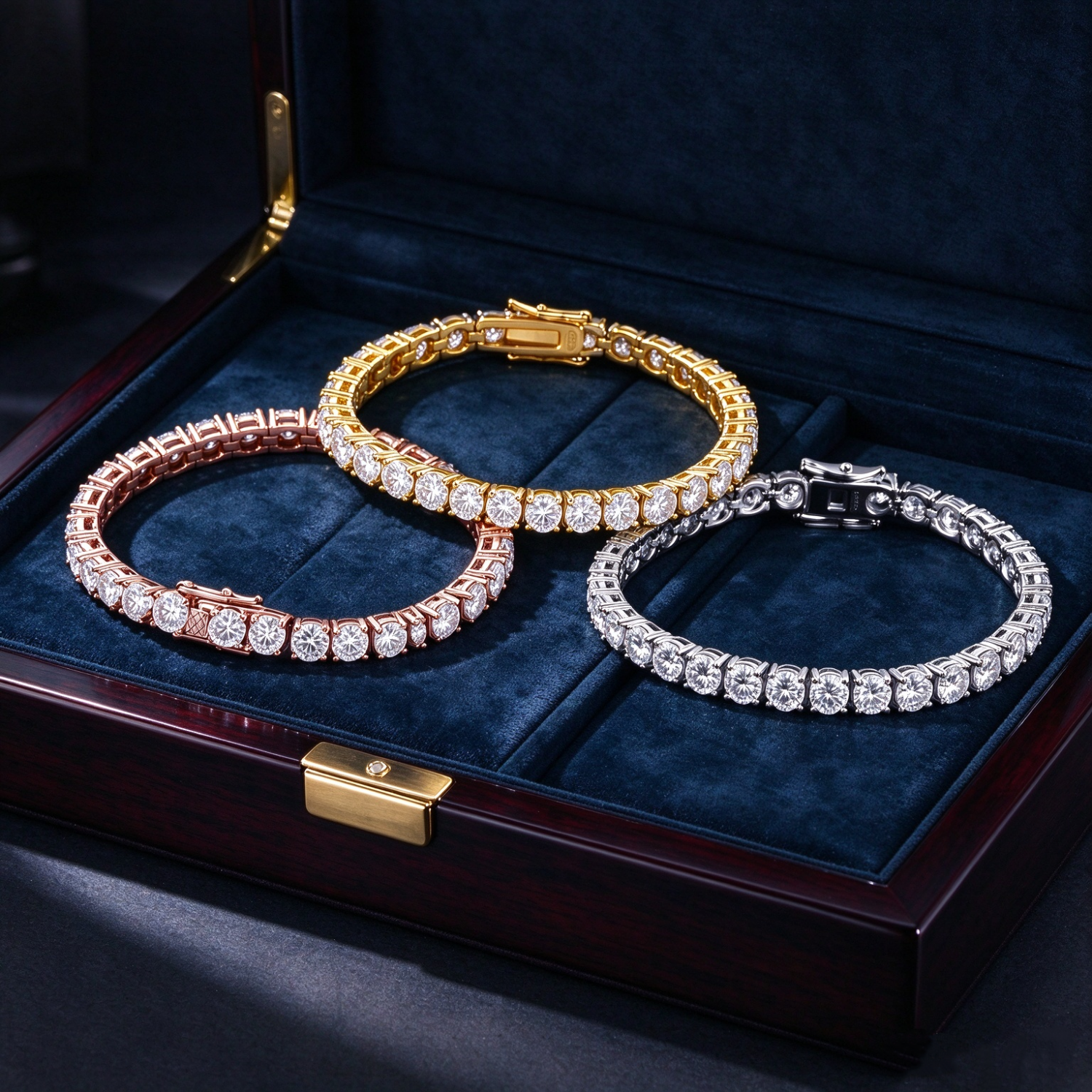
Certified Diamond Collection
Lab Grown Diamonds — Identical To Mined, A Fraction Of The Price
These are real diamonds — same carbon lattice, same 10 on the Mohs scale, same brilliance as mined stones. The only difference is where they came from, and what they cost.
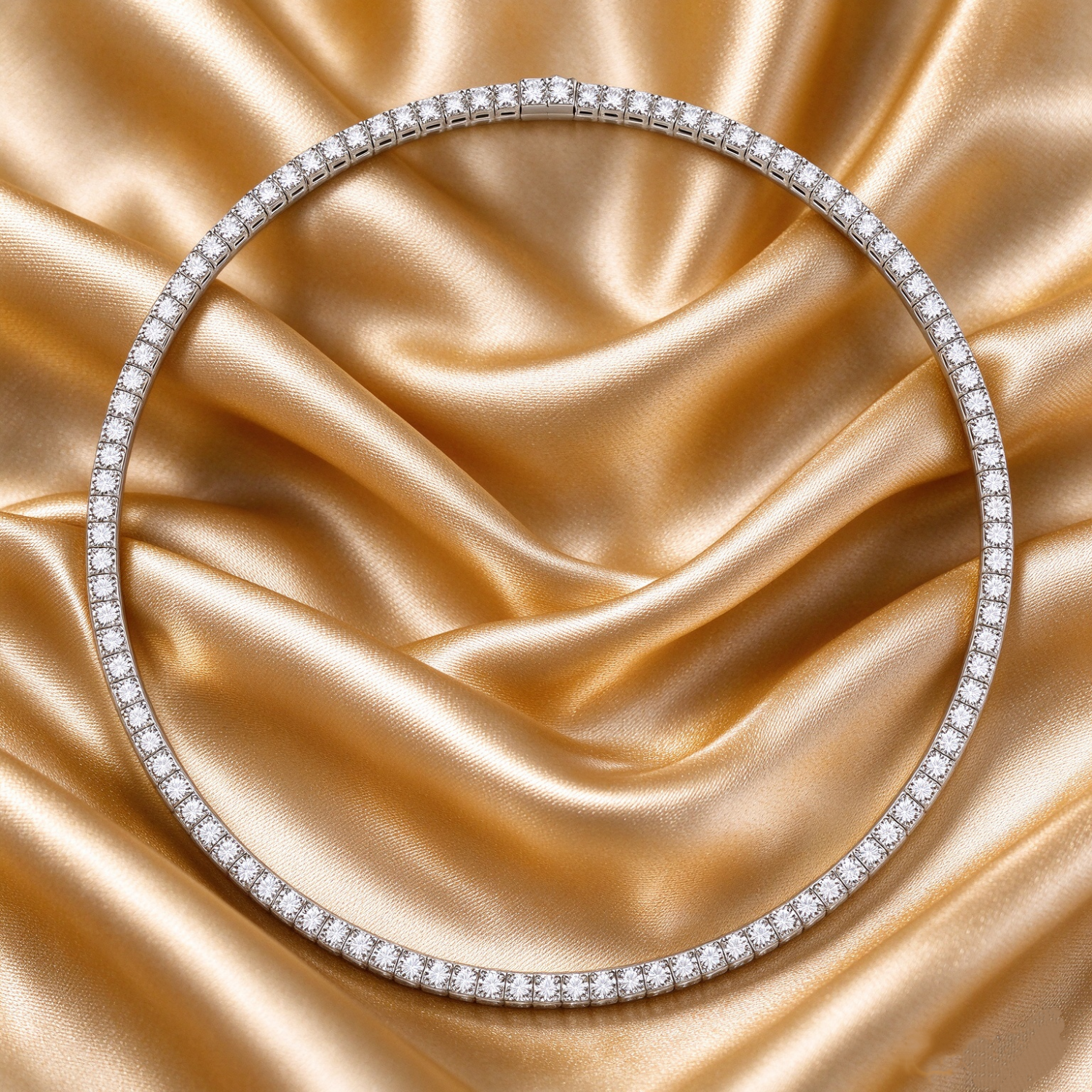
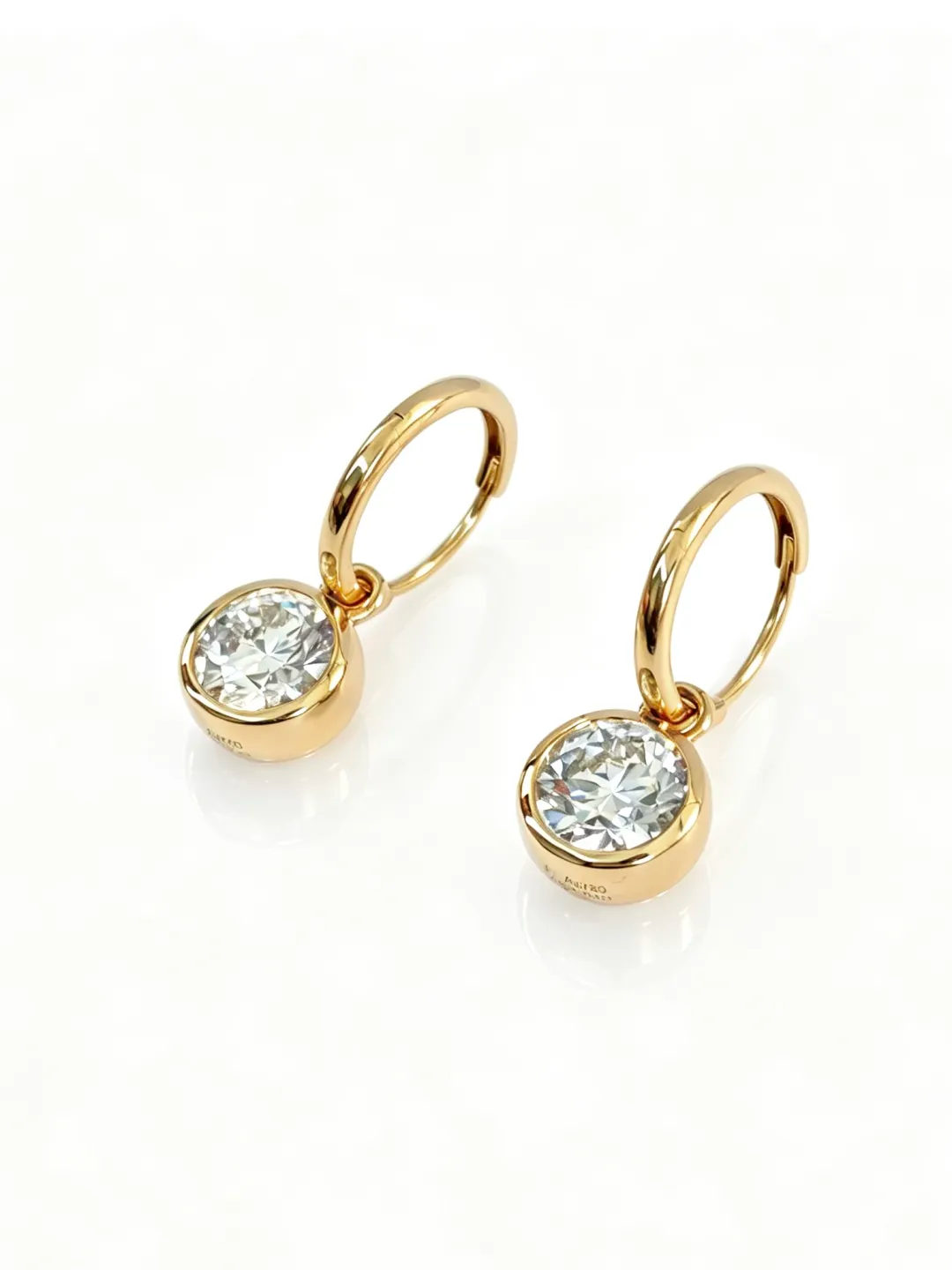
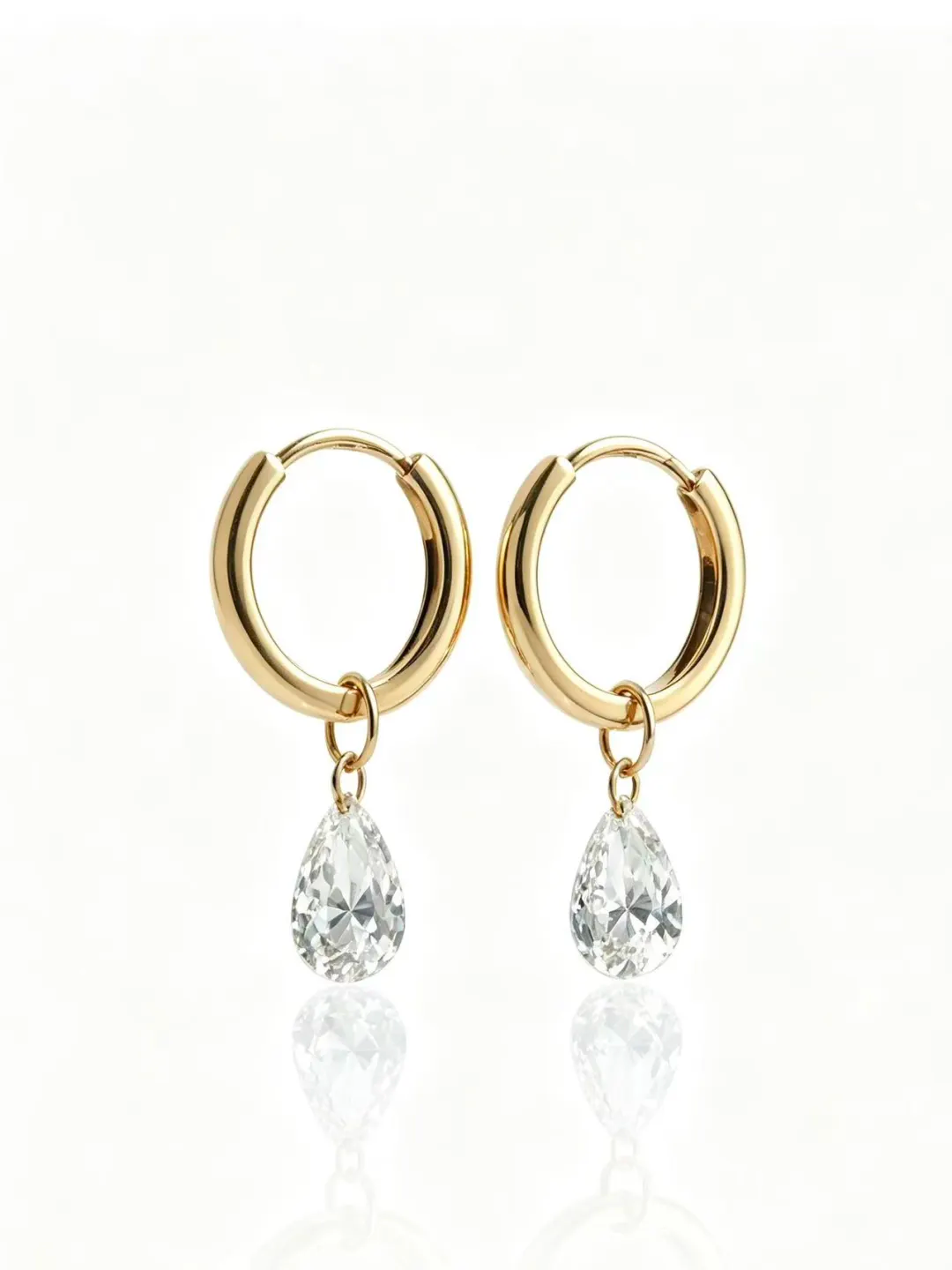
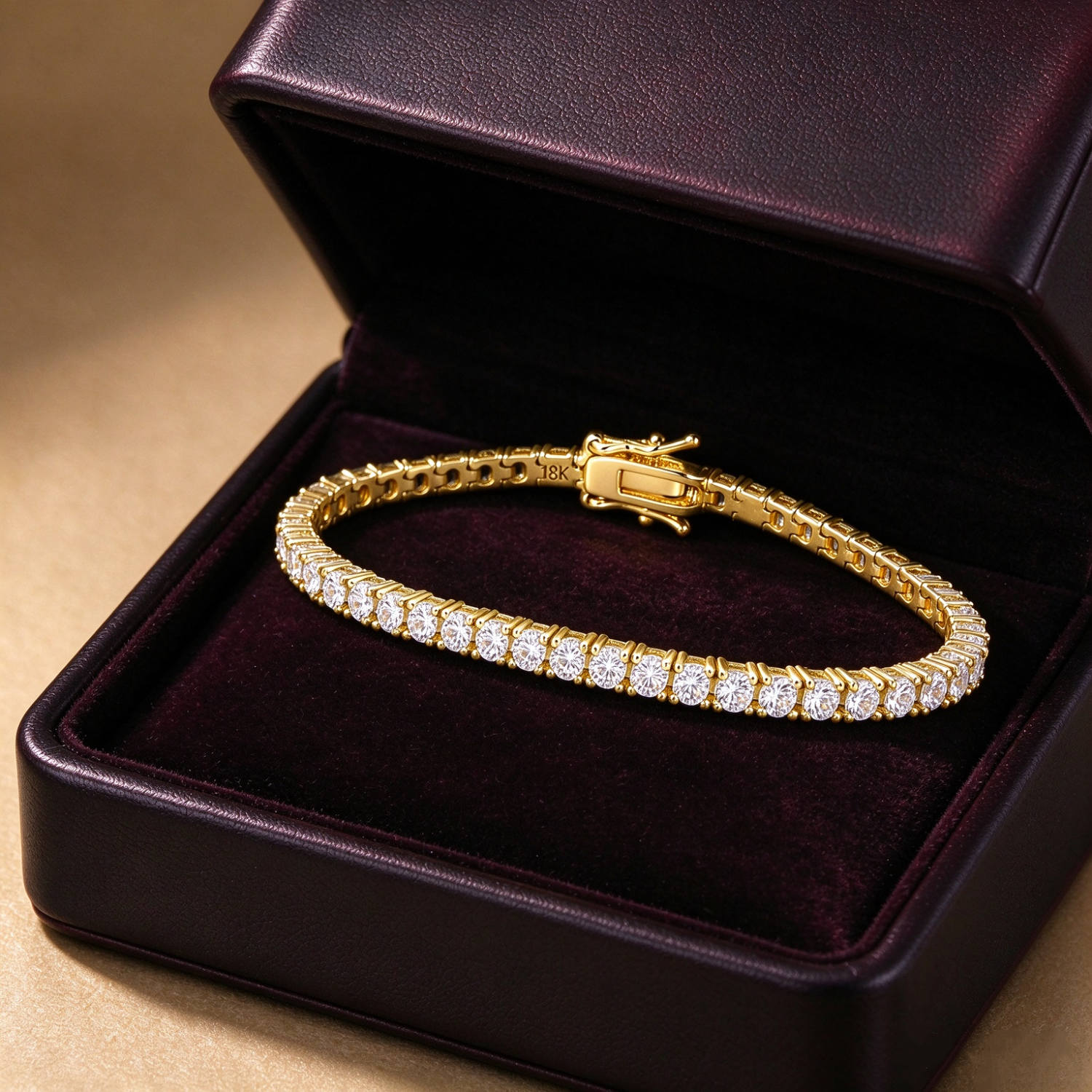
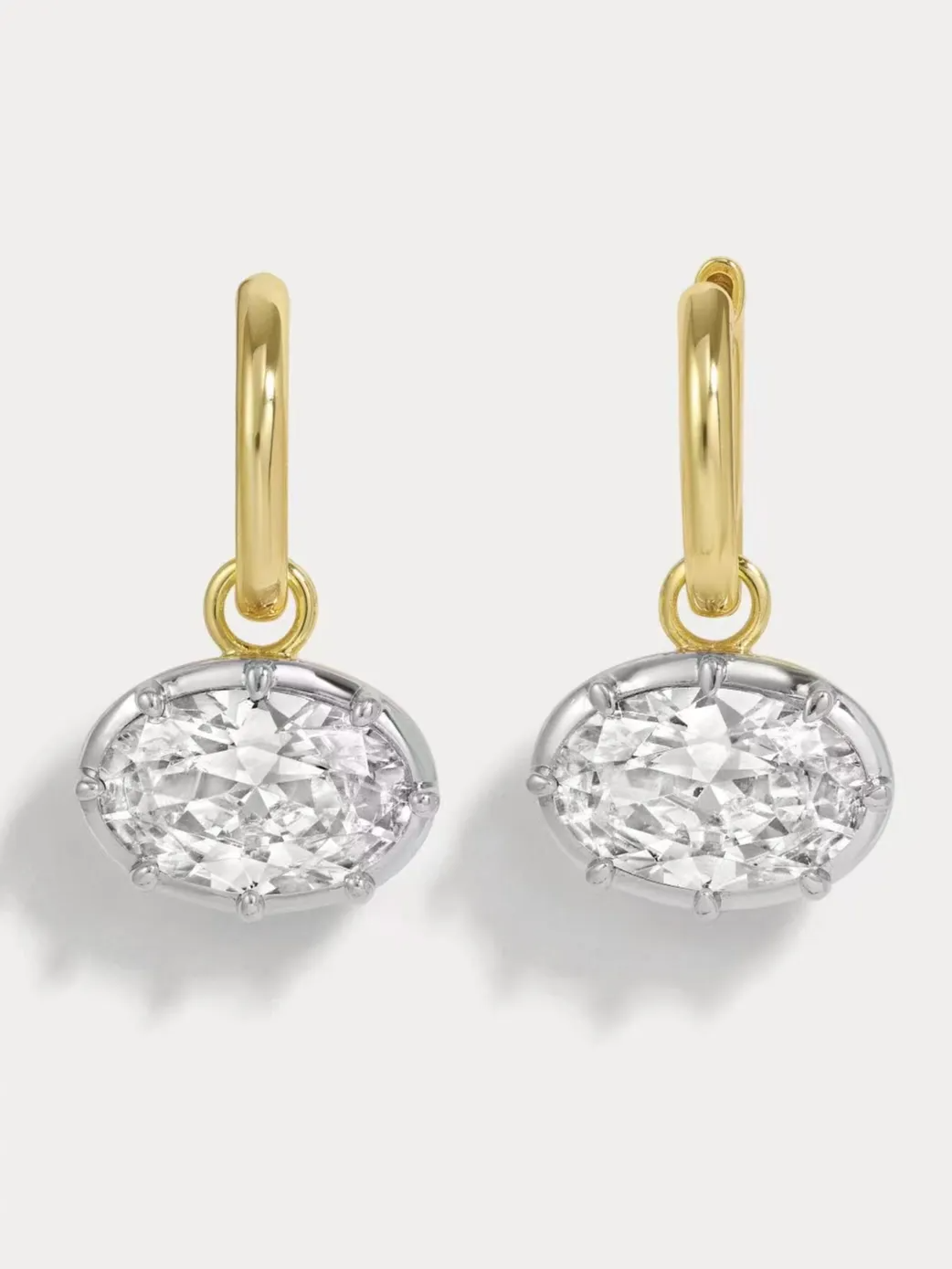
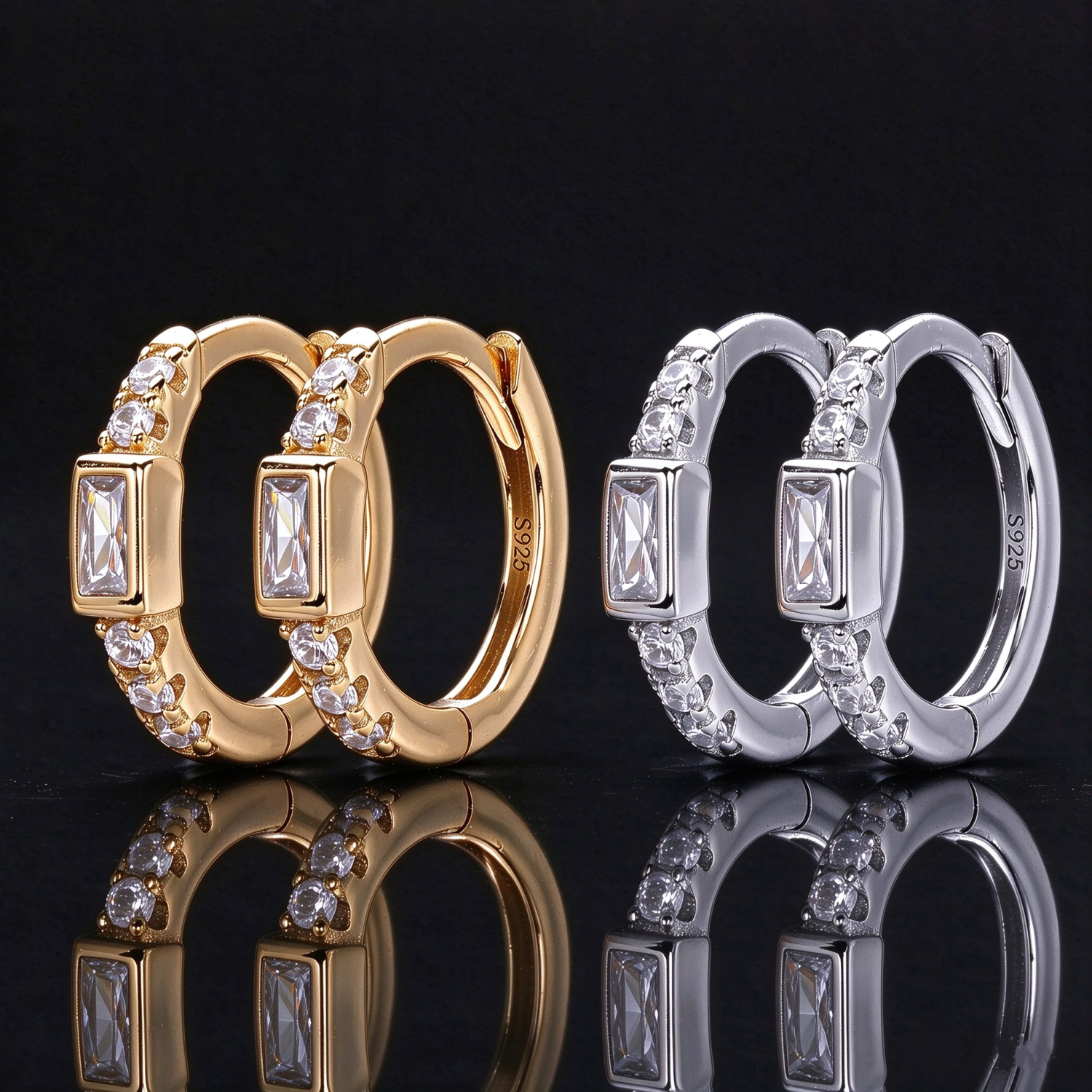
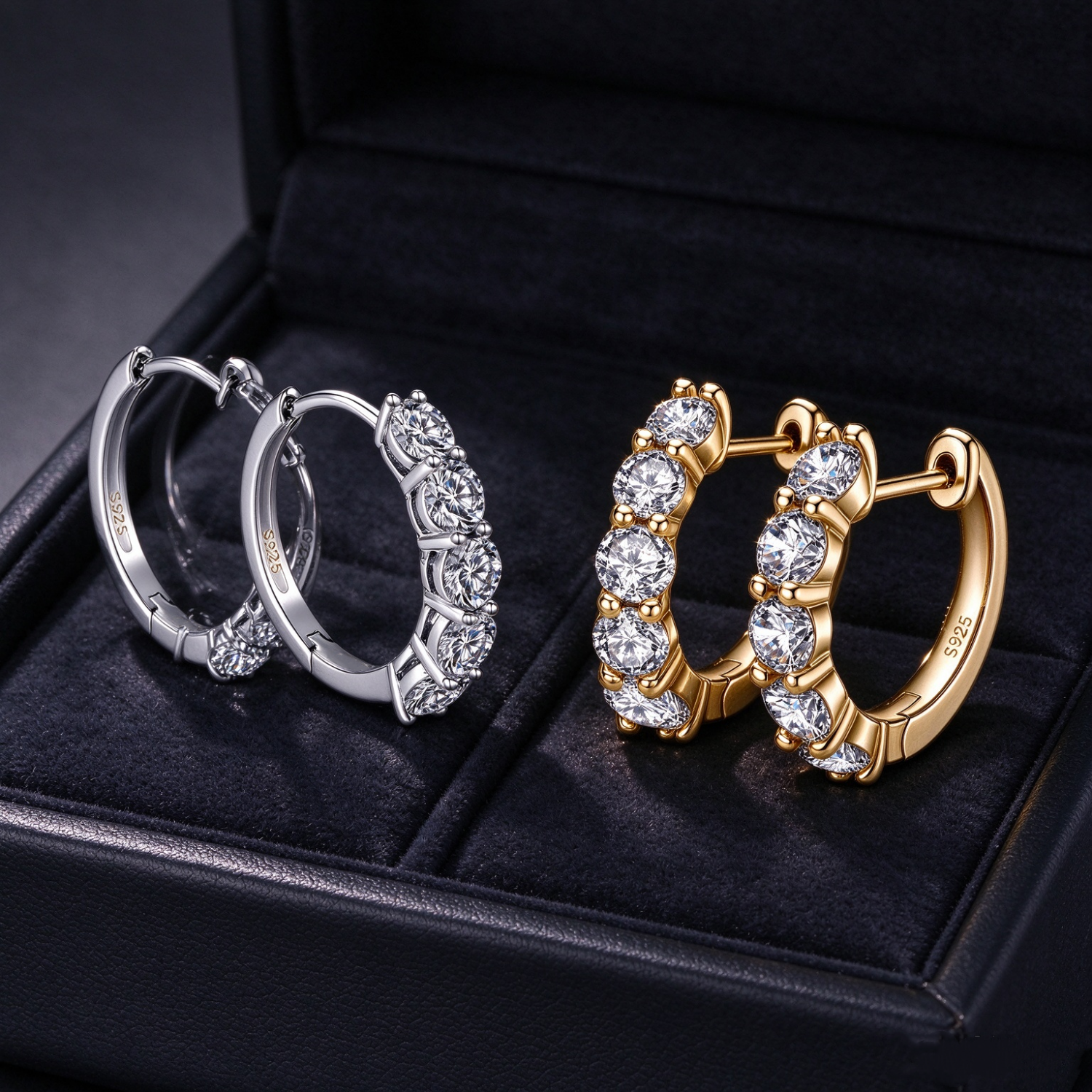
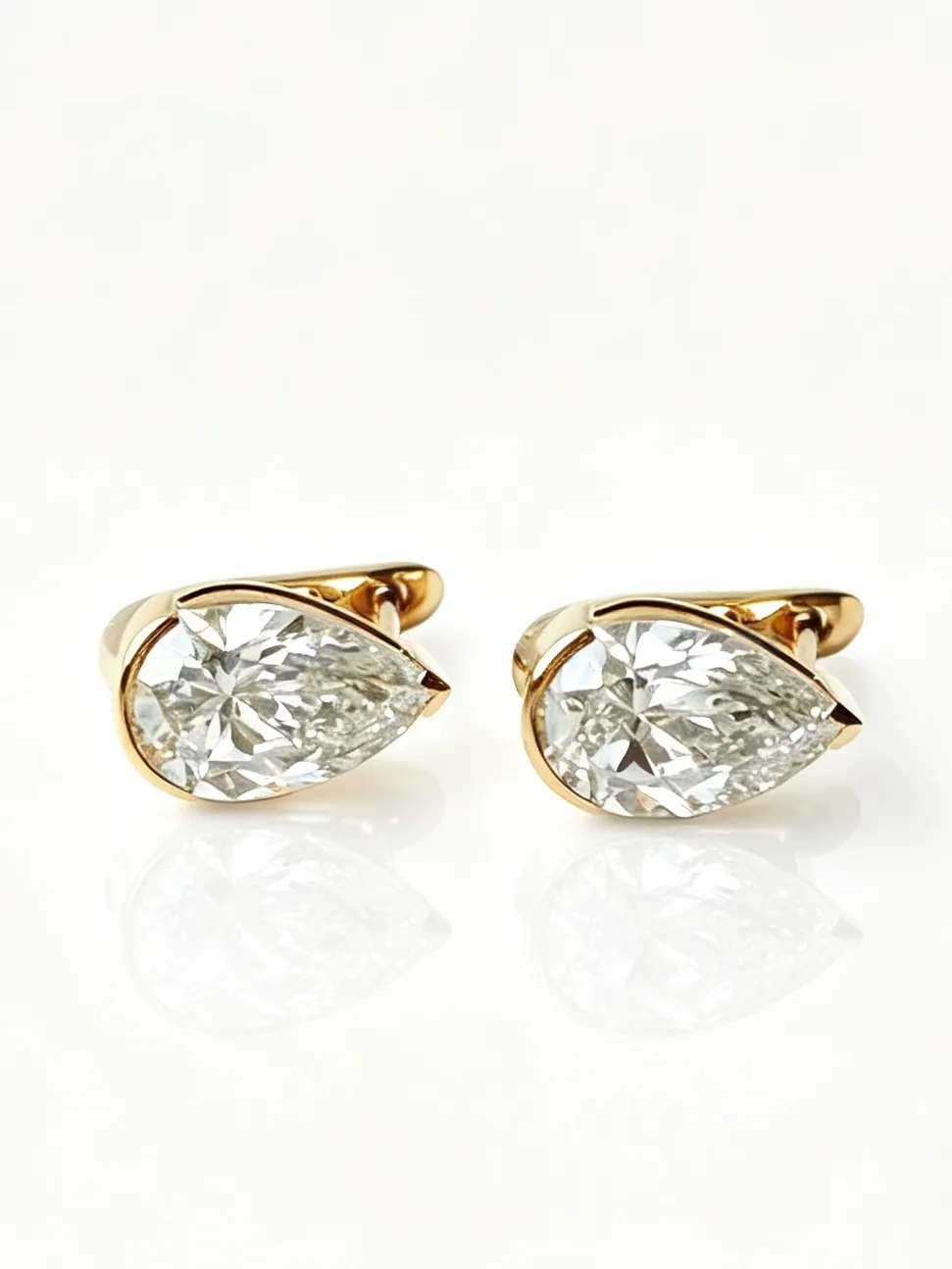
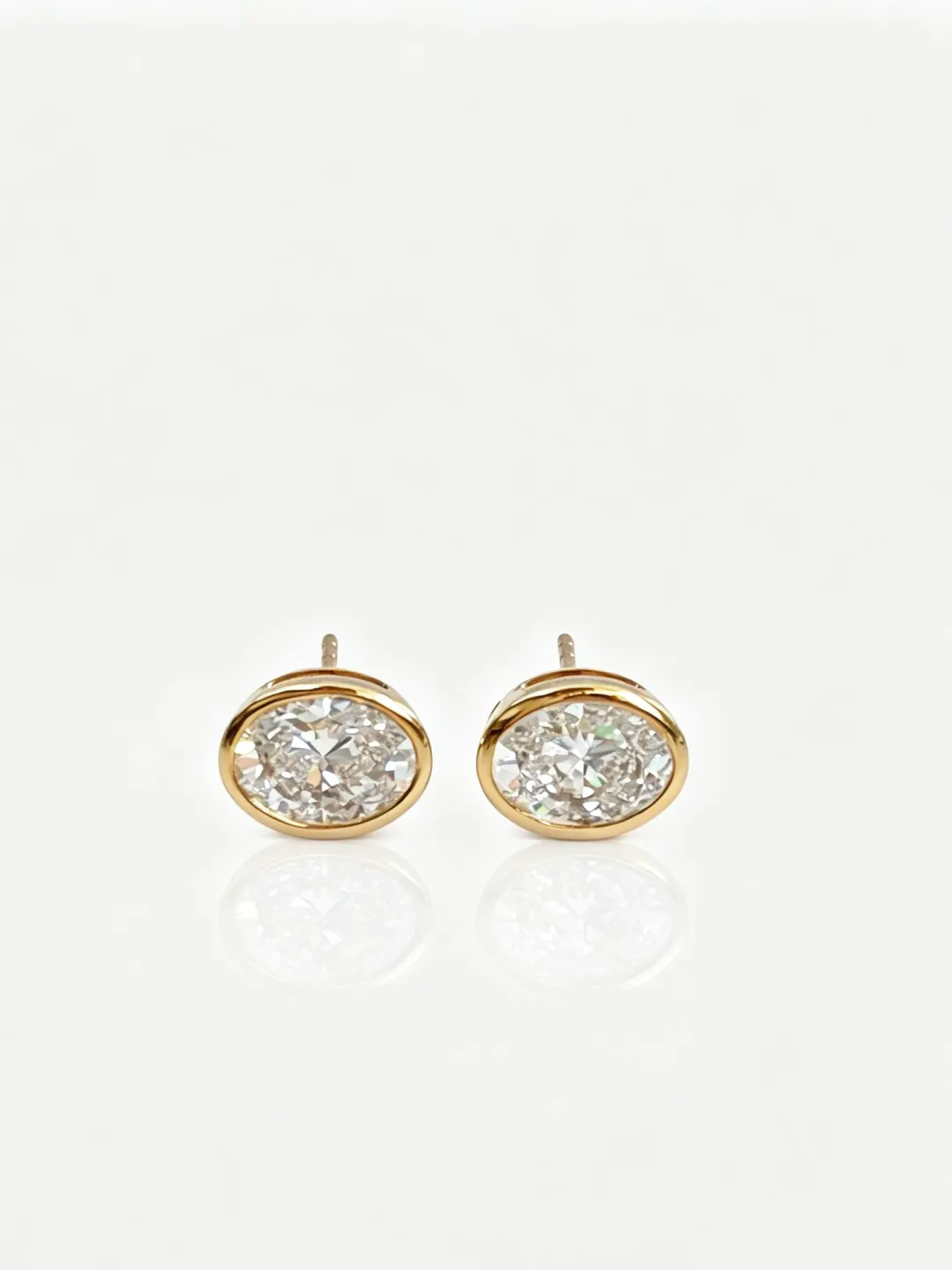

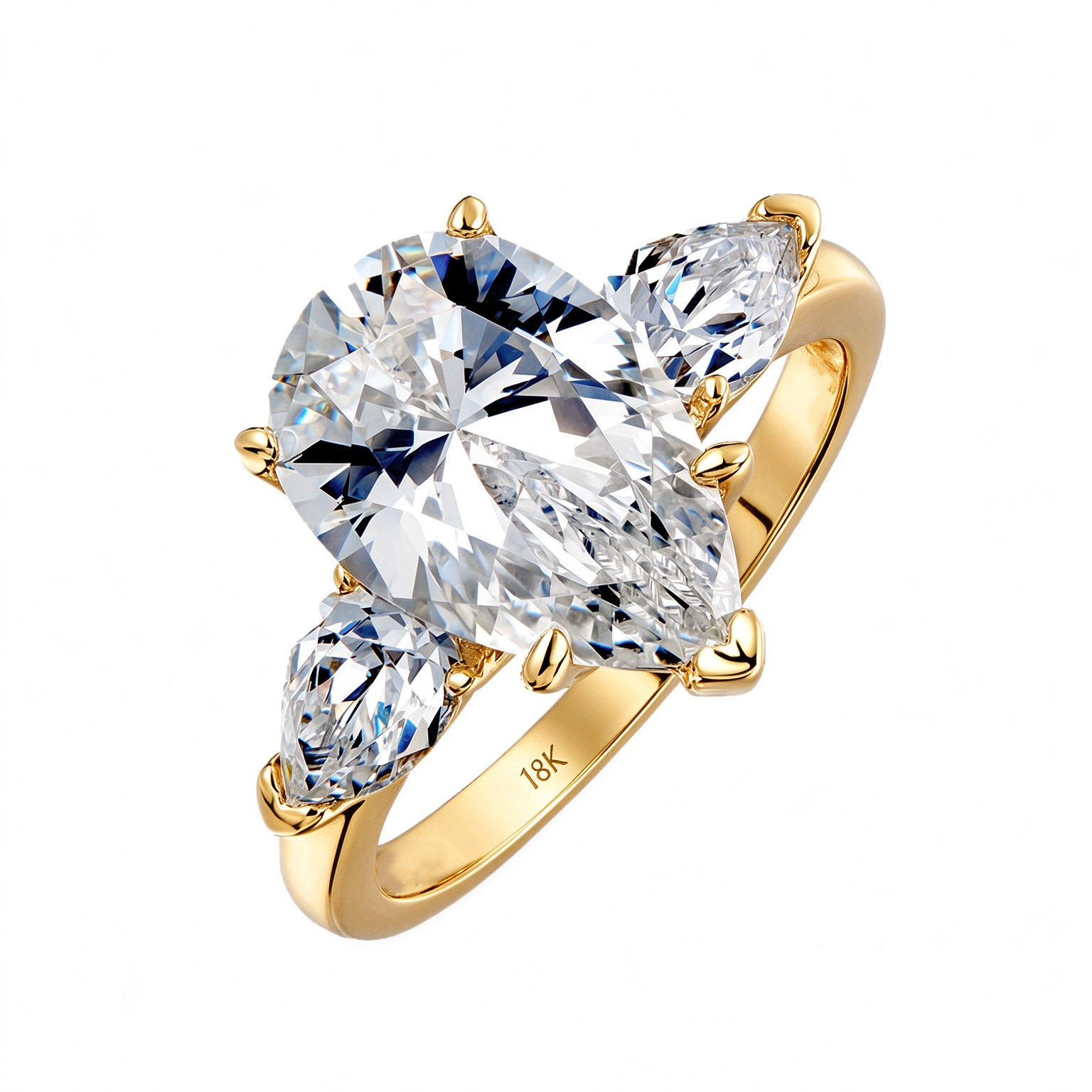
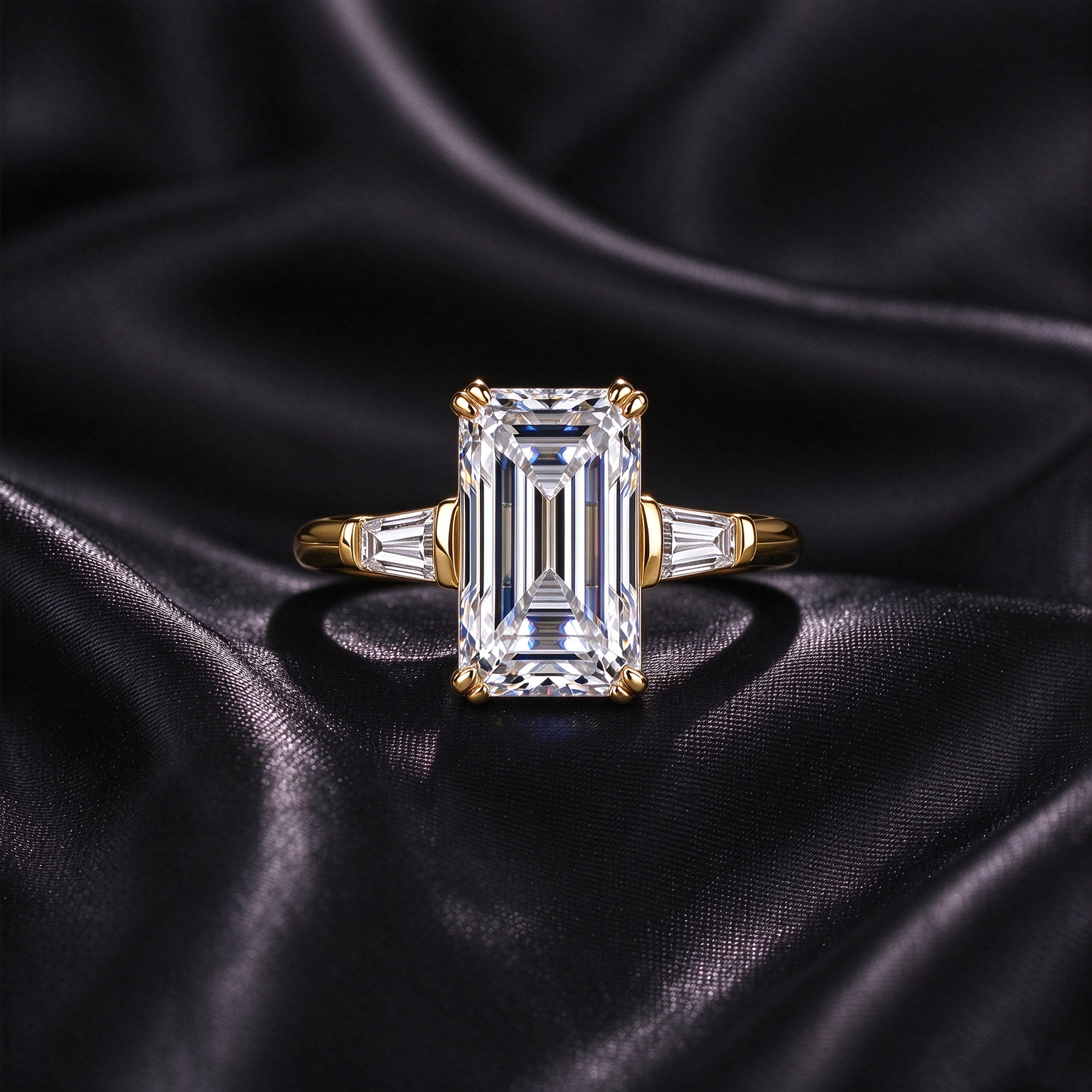
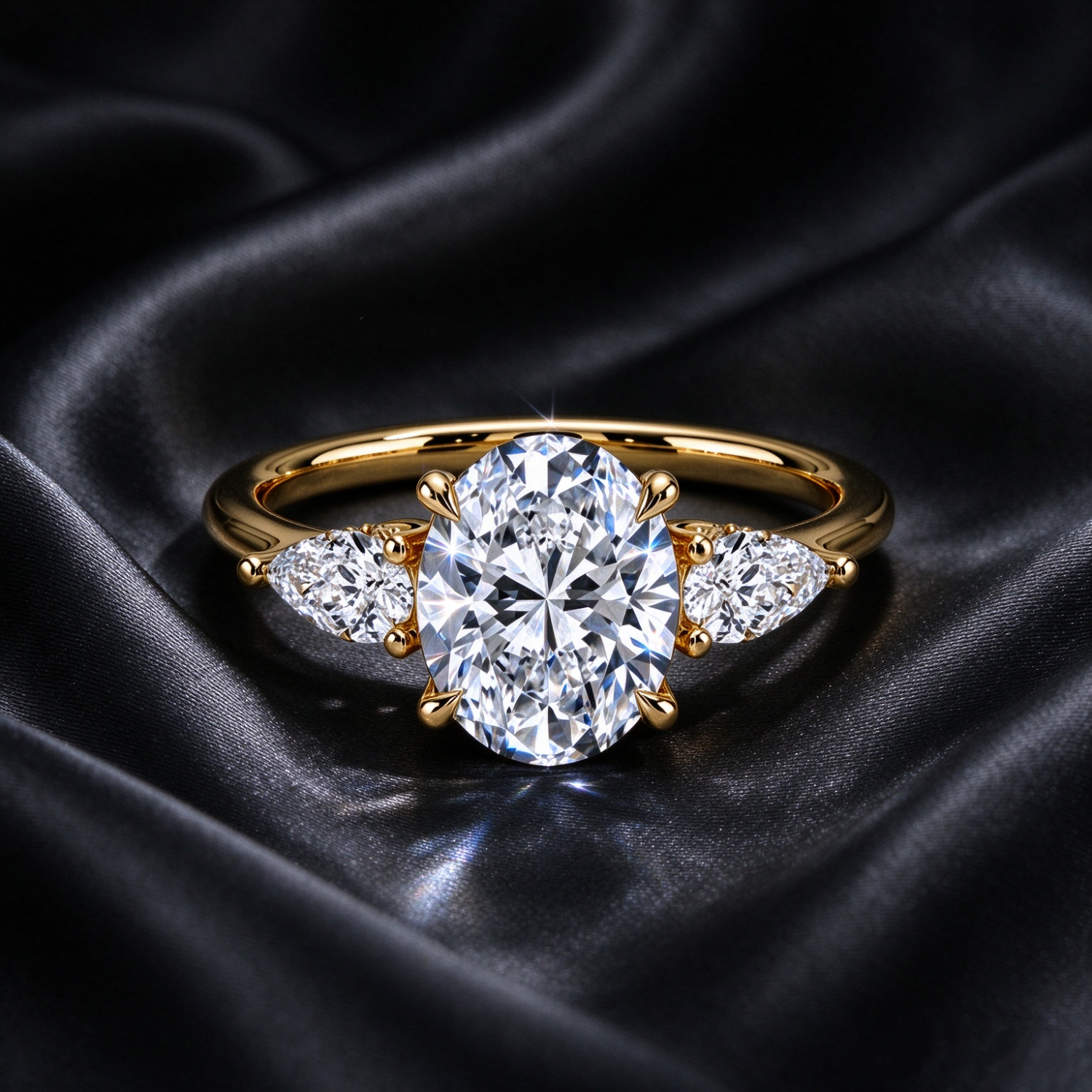
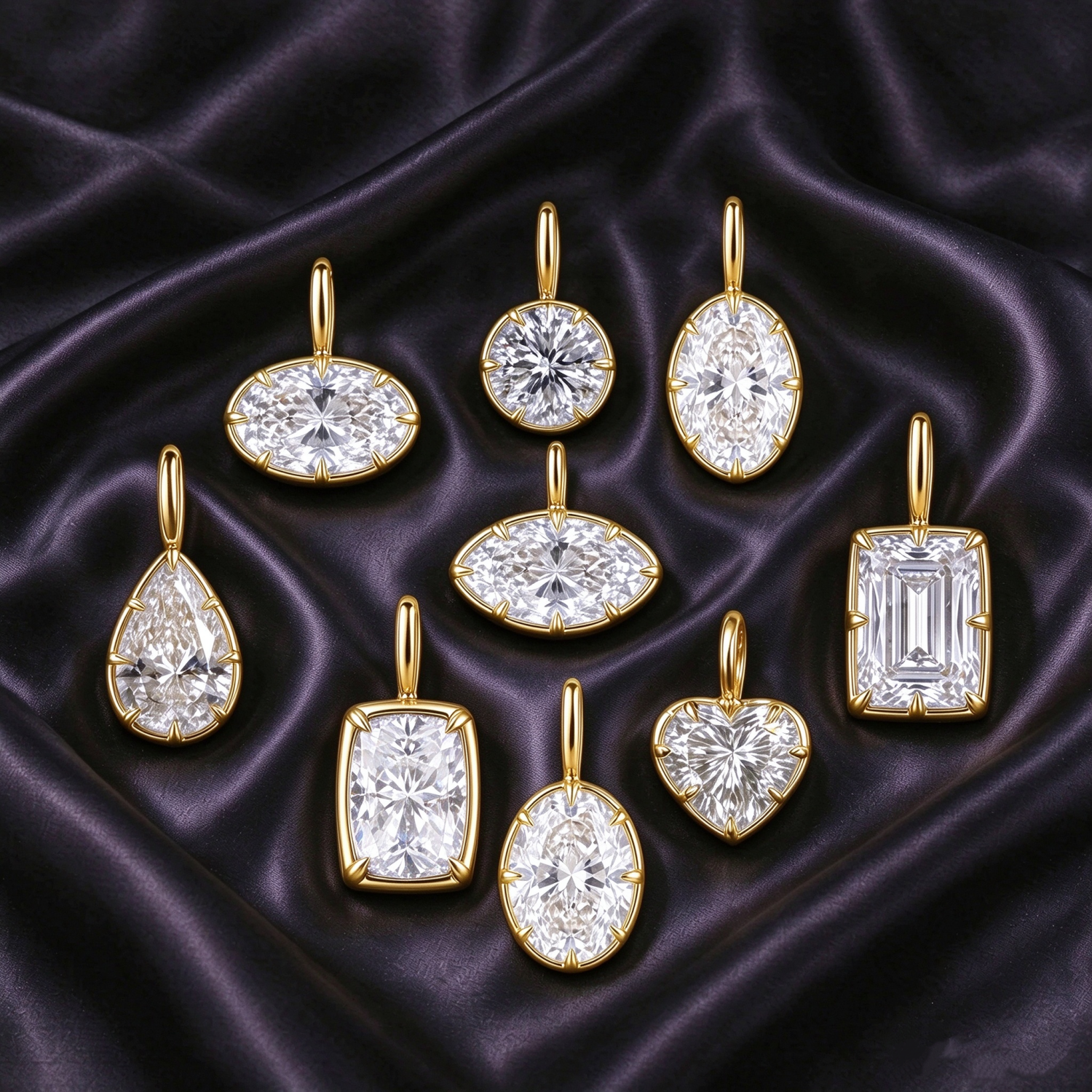
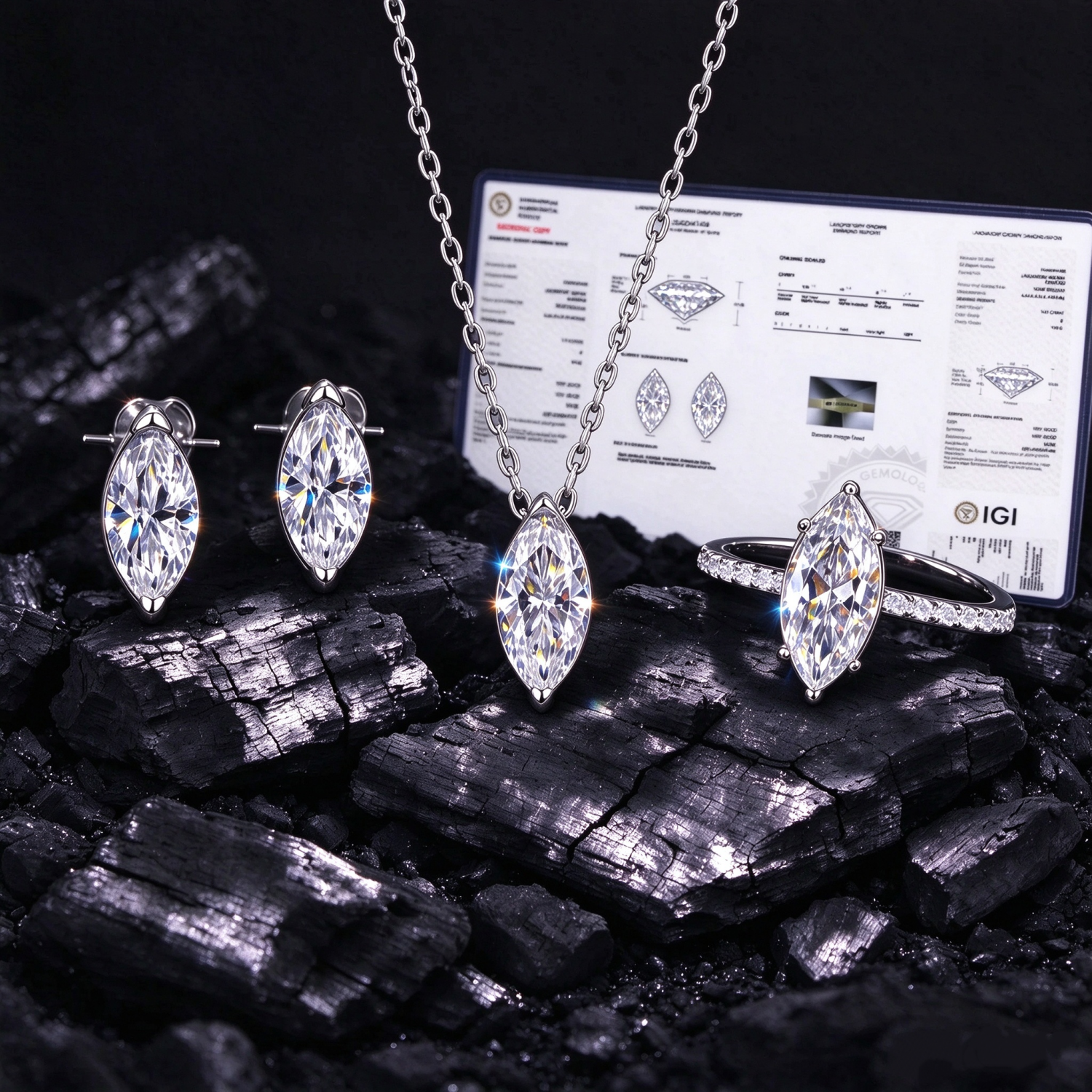
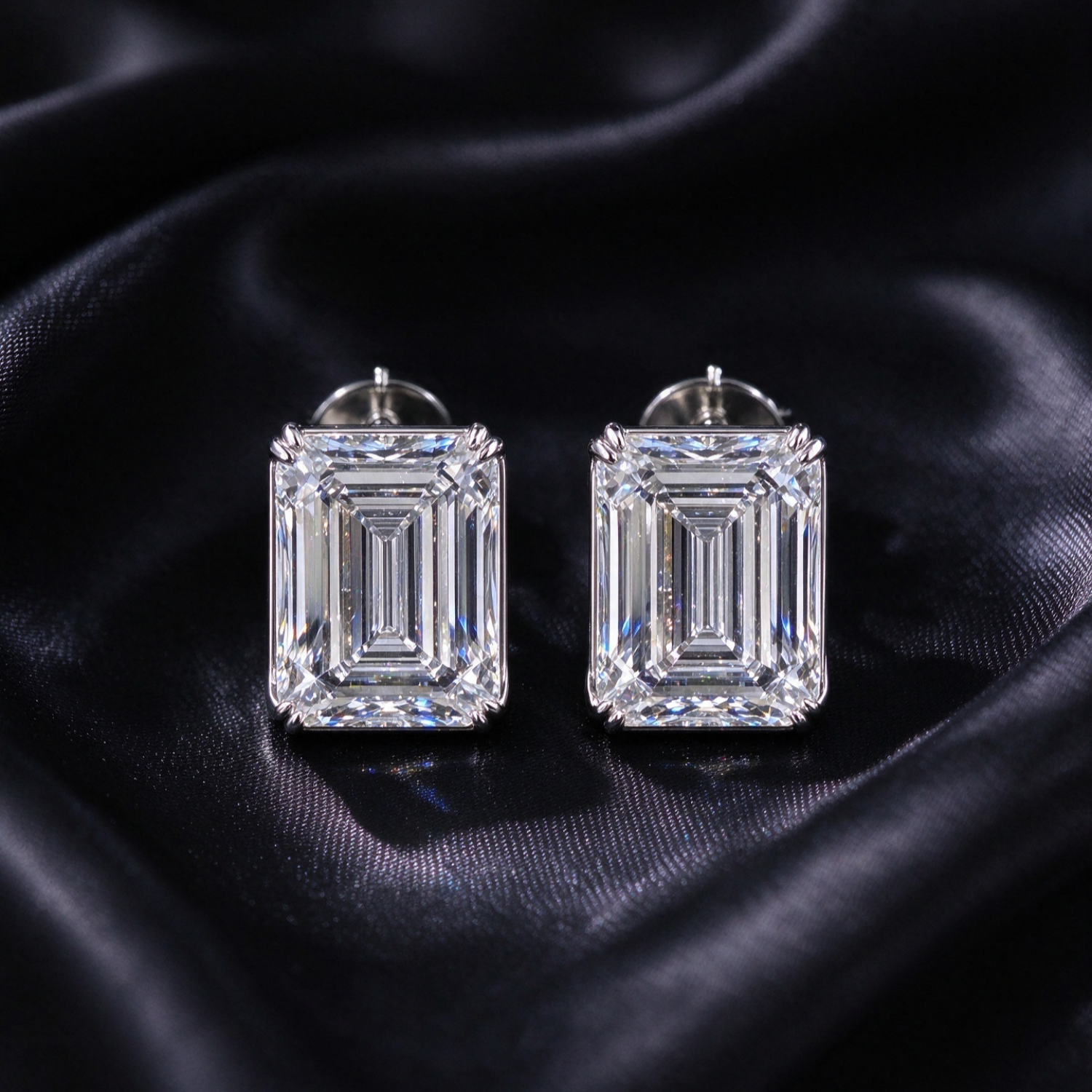
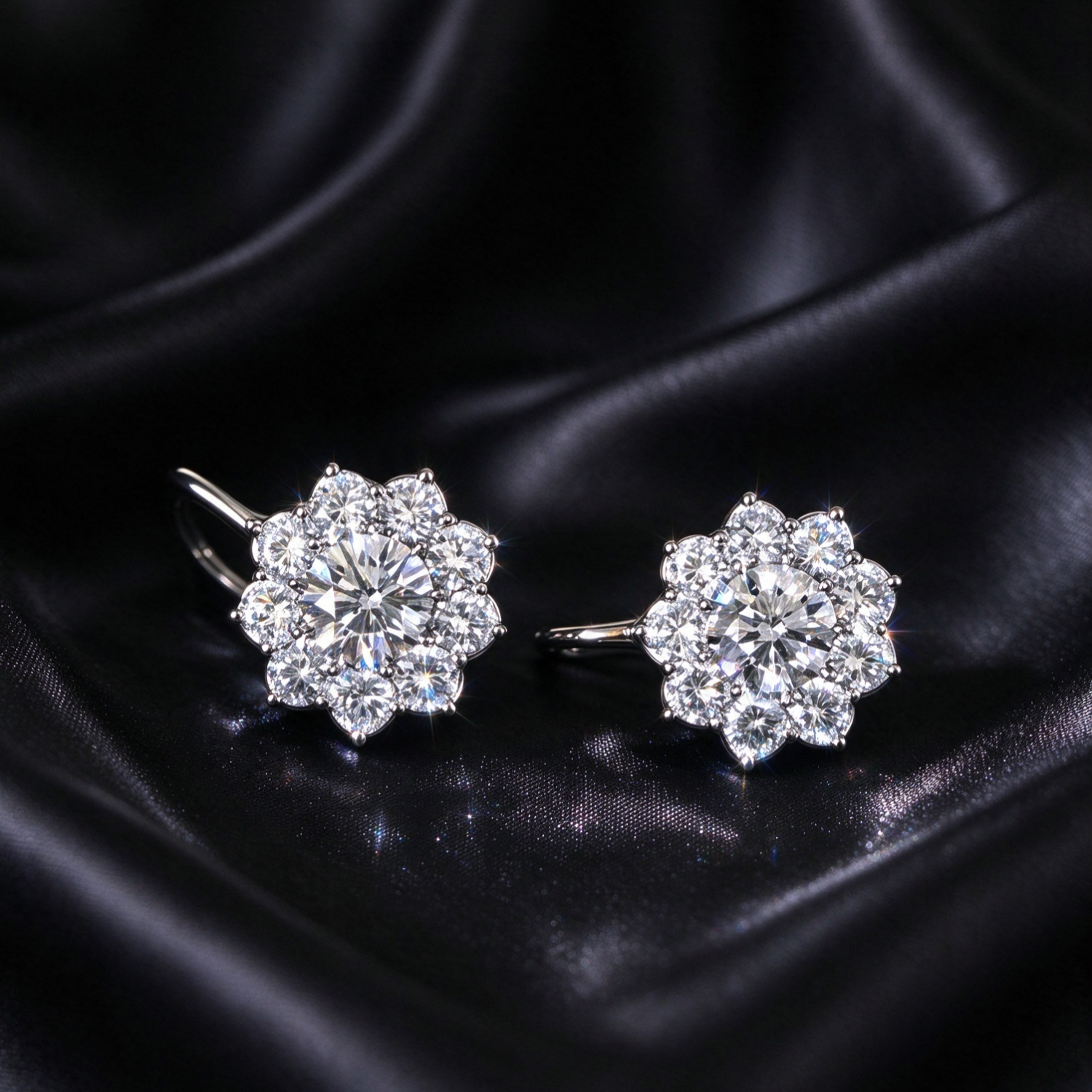
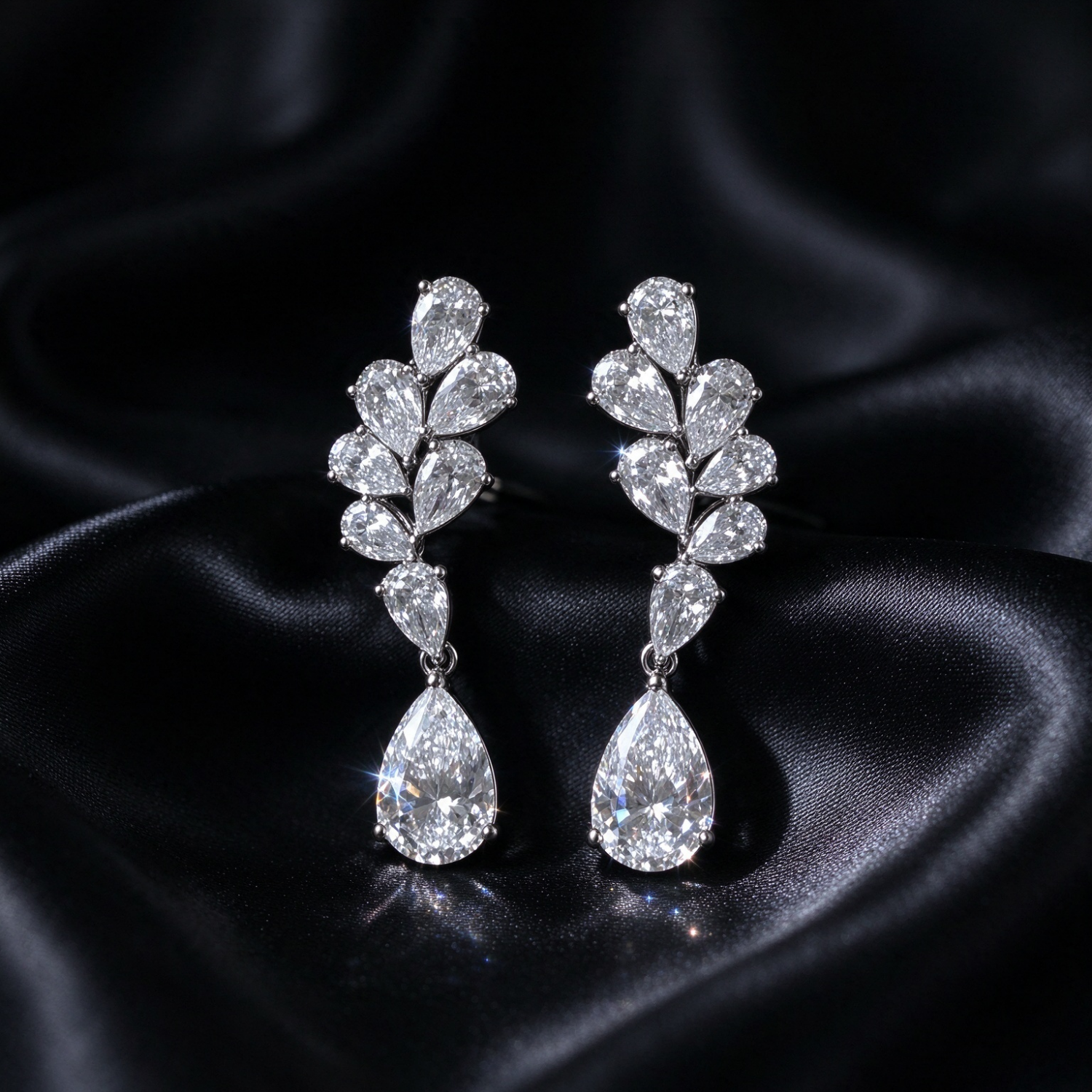


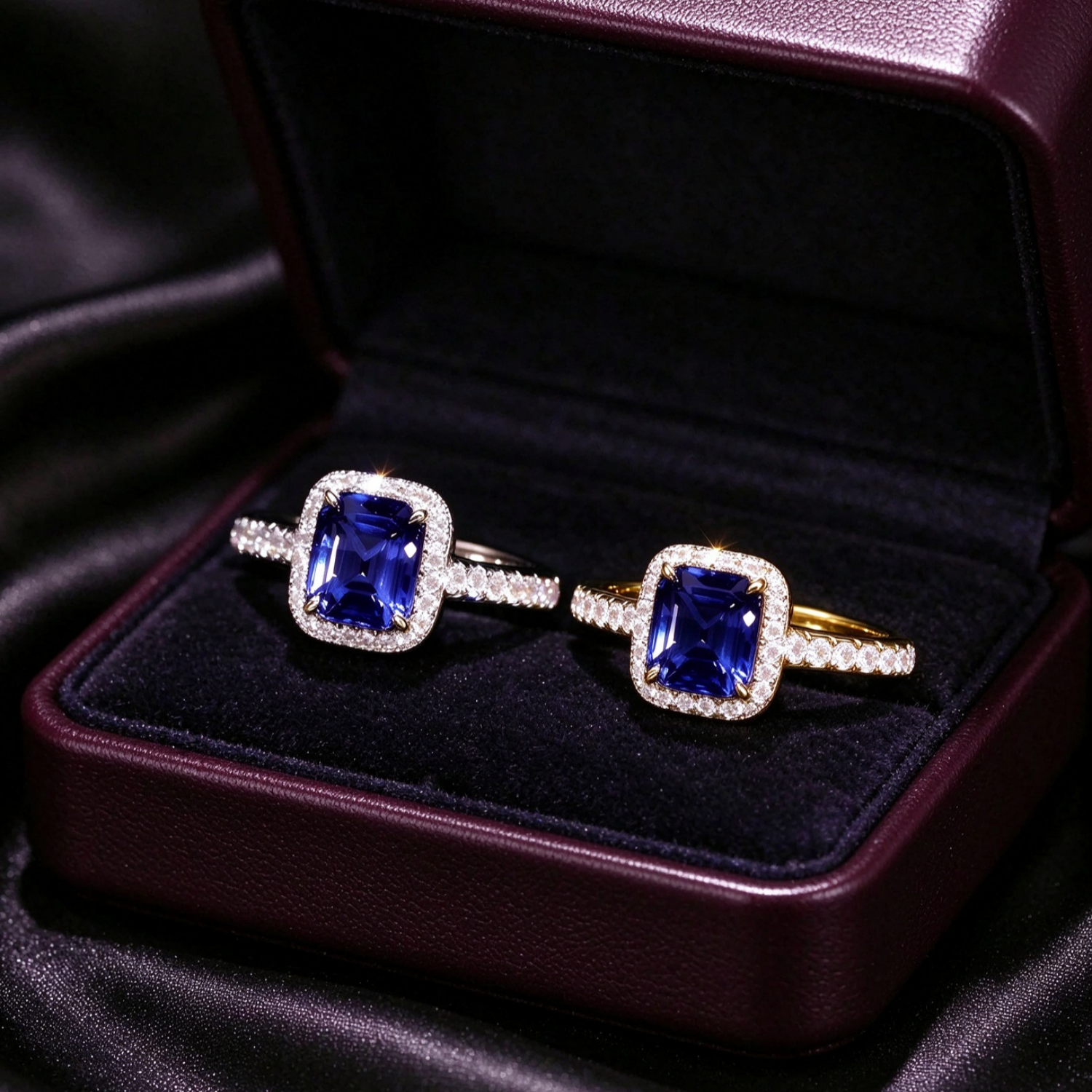
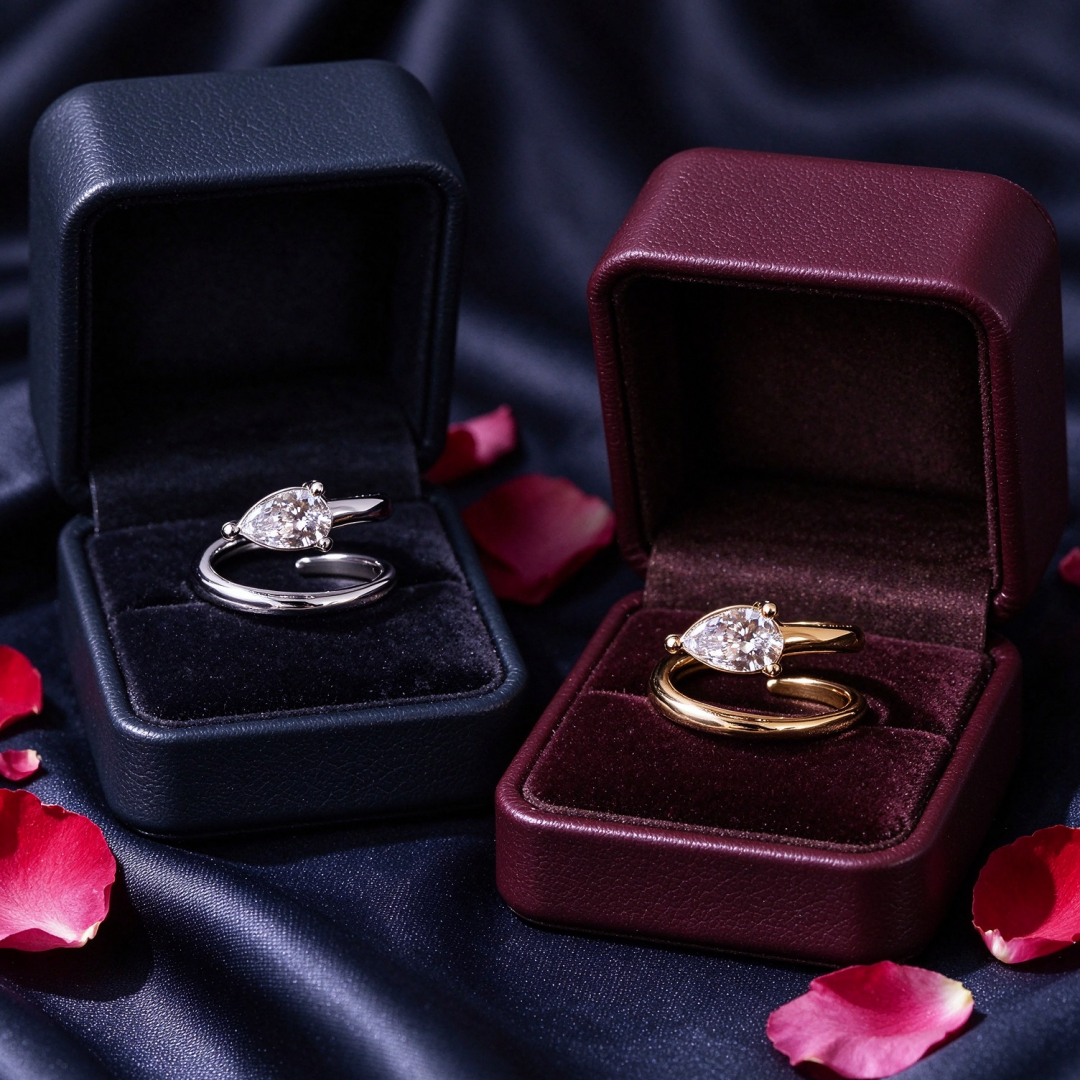
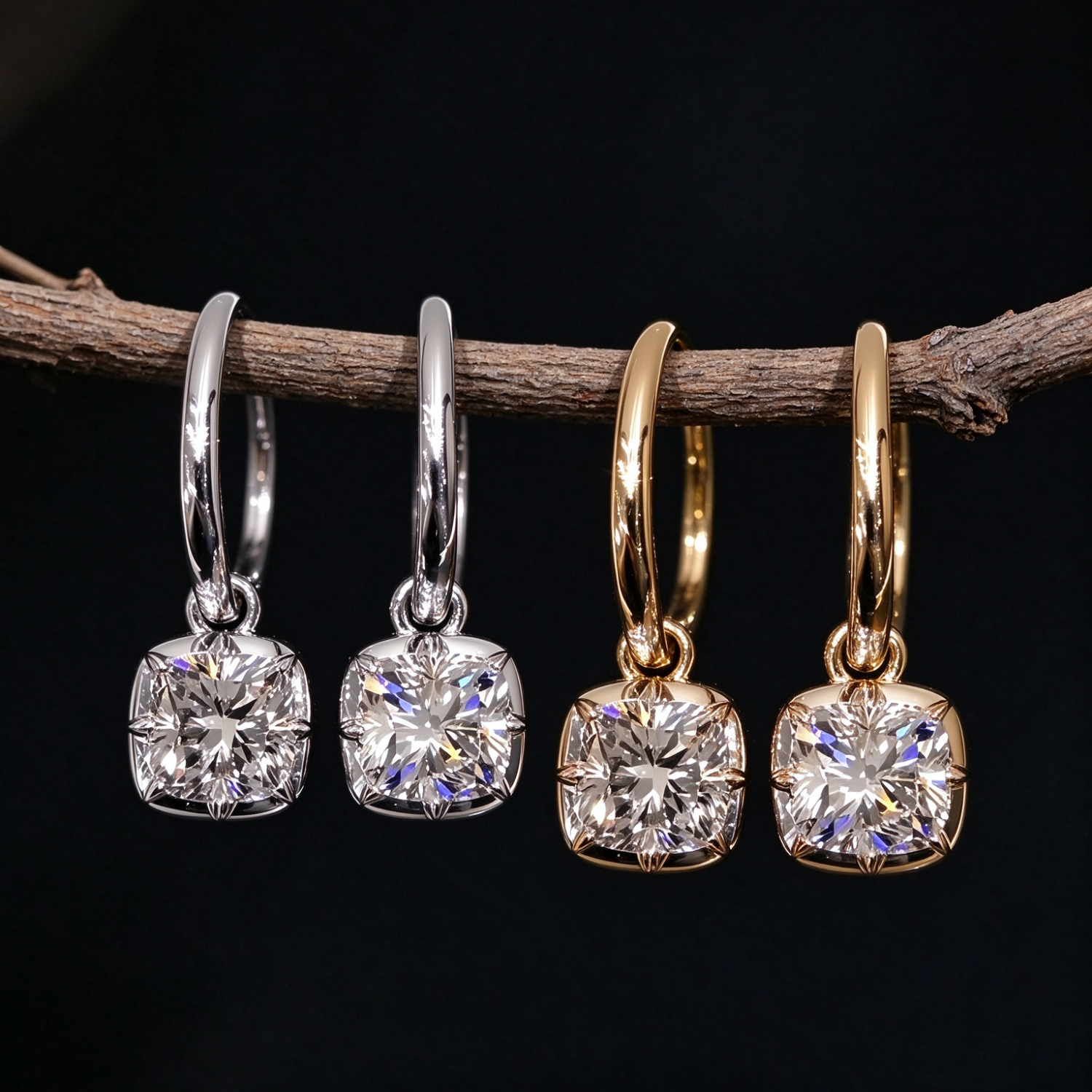
Showing 193–216 of 244 products
A Lab Grown Diamond Is A Diamond
This is worth stating plainly, because a great deal of marketing exists to suggest otherwise. A lab grown diamond is crystalline carbon arranged in the same cubic lattice as a mined diamond. It has identical chemical composition, identical hardness of 10 on the Mohs scale, identical refractive index and identical dispersion.
It is not a simulant. Cubic zirconia, glass and moissanite are different materials that imitate diamond. A lab grown diamond does not imitate diamond; it is diamond, produced by a different process. The United States Federal Trade Commission confirmed this in its 2018 Jewelry Guides, removing the word "natural" from the definition of a diamond.
The growth process starts with a small diamond seed — a thin slice of diamond plate — placed in a reactor. Carbon is deposited onto that seed, layer by layer, over several weeks, until a rough crystal of the desired size has formed. That rough is then cut and polished by the same craftsmen, on the same wheels, using the same techniques as any mined diamond.
The 4Cs, And Which Ones Actually Matter
Cut is the most important of the four. It determines how much light enters the stone, how it is reflected back to your eye, and therefore how brilliant and how lively the diamond appears. A well-cut I-color stone will outperform a poorly cut D-color stone every time, in every lighting condition. If you are choosing where to spend, spend on cut.
Colour is graded from D (colourless) to Z (noticeably tinted). In a white gold or platinum setting, D–F looks colourless. In yellow gold, G–J is perfectly acceptable because the metal warms the stone visually anyway. Below J, tint becomes visible to the naked eye in larger stones.
Clarity is graded from Flawless to Included. VS1 and VS2 are eye-clean with minor inclusions visible only under magnification. SI1 and SI2 are usually eye-clean in stones under a carat. You pay steeply for the last increment of clarity, which is invisible in normal wear.
Carat is weight, not size, though the two correlate. Note that carat price rises sharply at "magic weights" — 0.50ct, 0.75ct, 1.00ct and so on. A 0.95ct stone can cost noticeably less than a 1.00ct stone of identical quality and look virtually the same on the hand.
- Cut: prioritise this above all else.
- Colour: D–F for white metals, G–J is fine in yellow gold.
- Clarity: VS2 or SI1 gives the best value for an eye-clean stone.
- Carat: consider just under a magic weight to save meaningfully.
Certification And Verification
Every lab grown diamond we sell is graded by an independent laboratory — IGI or GIA — using the same standards applied to mined stones. The report documents exact measurements, carat weight, colour grade, clarity grade, cut grade and any treatments.
Each diamond is also laser-inscribed on its girdle with the report number. Under a jeweller's loupe you can read that number and match it against the certificate, which is how you verify that the stone in the setting is the stone described on the paper.
This matters because it makes honesty verifiable. You do not have to take our word for what the stone is; you can check it yourself, or have any independent jeweller check it for you.
Lab Grown Or Mined — How To Decide
If what you want is a diamond, and what you care about is how the stone looks, how it performs and how it is certified, lab grown gives you an identical product for a fraction of the price. The savings on a 1ct stone are substantial enough to change what is possible for your budget — a larger stone, a better cut, or a more substantial setting.
If you specifically want a stone that came out of the earth, for reasons of tradition or sentiment, that is a legitimate preference and no argument about chemistry will change it. Both positions are fine. What is not fine is paying a mined-diamond premium for a lab grown stone, or being sold a lab grown stone as mined. Our pricing and our certificates make the origin explicit on both counts.
One practical note: lab grown diamonds have less resale value than mined stones, and both have far less than their retail price. If resale value matters to you, buy pre-owned. If you are buying a piece to wear for decades, buy the stone you love.
Lab Grown Diamonds — Frequently Asked
Are lab grown diamonds certified?
Yes. Every lab grown diamond we sell comes with an IGI or GIA report using the same 4Cs grading scales applied to mined diamonds, plus a laser inscription on the girdle so you can verify the stone matches its certificate.
Will a jeweller know my diamond is lab grown?
A gemological laboratory will, using spectroscopy. A jeweller examining it with a loupe generally will not, because the optical and physical properties are identical. The laser inscription and the certificate are what state origin definitively.
Do lab grown diamonds have the same brilliance?
Yes. Brilliance is a function of refractive index and cut quality, and the refractive index of lab grown diamond is identical to mined diamond. Given the same cut grade, the two are indistinguishable in appearance.
Is a lab grown diamond a good engagement ring stone?
It is an excellent one. Diamond is the hardest material used in jewelry at 10 Mohs, so it resists scratching through decades of daily wear, and lab grown diamond gives you the same durability at a much lower price — which usually means a larger or better-cut stone for the same budget.
Why is there such a price difference between lab grown and mined diamonds?
Supply chain length, mainly. Mined diamonds pass through mining, sorting, cutting, wholesale and retail, with each step taking a margin, and mined supply is constrained by geology. Lab grown stones are produced industrially in weeks with falling production costs. The difference is cost of production, not quality.
Wholesale terms for this collection
- MOQ
Minimum order quantity is 1 piece for stock designs, with mixed styles welcome in a first order. Tiered wholesale pricing opens from 50 pieces per design, and custom OEM/ODM runs are quoted separately once the design and approval sheet are confirmed.
- Lead time
Ready-stock pieces are prepared in 3 to 5 working days after confirmation. Samples dispatch in 7 to 14 days. Custom production takes 15 to 25 working days after the sample is approved, with a written schedule agreed before the deposit is paid.
- Pricing
All prices are quoted in USD per piece at your quantity tier, with a written price list available on request. The quote lists stone grade, metal weight, plating, packing and MOQ separately so each cost can be explained to your own customer.
- Payment
Trade orders are settled by T/T with a 30% deposit and the balance before shipment. PayPal is accepted for samples and smaller orders, and Western Union is available for smaller remittances. Prices are confirmed in writing on the proforma invoice.
Frequently Asked Questions
What is the minimum order quantity (MOQ) for wholesale jewelry?
Stock designs start at 1 piece, and mixed styles are welcome in a first order. Tiered wholesale pricing opens from 50 pieces per design. Custom OEM and ODM programs are quoted separately after the design and approval sheet are confirmed.
How long is the production lead time?
Ready-stock pieces are prepared in 3 to 5 working days after confirmation. Samples dispatch in 7 to 14 days. Custom production, CAD development and branded packaging typically take 15 to 25 working days after sample approval, depending on quantity and stone specification.
What payment methods do you accept for bulk orders?
We accept T/T bank transfer with a 30% deposit and the balance before shipment, PayPal for sample and smaller orders, and Western Union. Prices are quoted in USD and confirmed in writing on the proforma invoice.
Are the stones certified and disclosed as lab grown?
Each moissanite carries a GRA report and a laser number. Every lab-grown stone is disclosed as lab-grown on the invoice, certificate and product listing, and treatment or material status is stated per line so the paperwork matches what you sell at retail.
Can you produce private-label or custom designs?
Yes. We run OEM and ODM programs for brands, importers and online retailers. Send a photo, sketch, CAD file or existing SKU, and we propose stone, metal and setting combinations at different retail price points. Branded cards, tags and packaging can be added once the design is approved.
How do I get a factory price list or a quote?
Send your stone list, target quantity and destination country through the contact form or WhatsApp. A named merchandiser replies within 24 hours with pricing at your quantity tier, MOQ per design, lead time and shipping options, rather than a generic catalogue.
Start A Custom Piece
Have Something Specific In Mind?
Send us a sketch, a photo or a stone size. We will quote you within one business day and hand-finish the piece in 10–15 days.

