HOLYCOMEOP
November 12, 2026 · 8 min read
Silver Jewelry Nickel, Lead and Hallmark: The
For Silver Jewelry wholesale, compliance means three things at once: nickel and lead release inside the US and EU limits, a stamp and assay trail your retail buyer can defend, and a stone certificate that matches the piece in the tray. Buyers who treat compliance as paperwork after the run are the ones who get stopped at customs, or returned by a chain store.
10 replies in this thread
The three compliance gates for Silver Jewelry
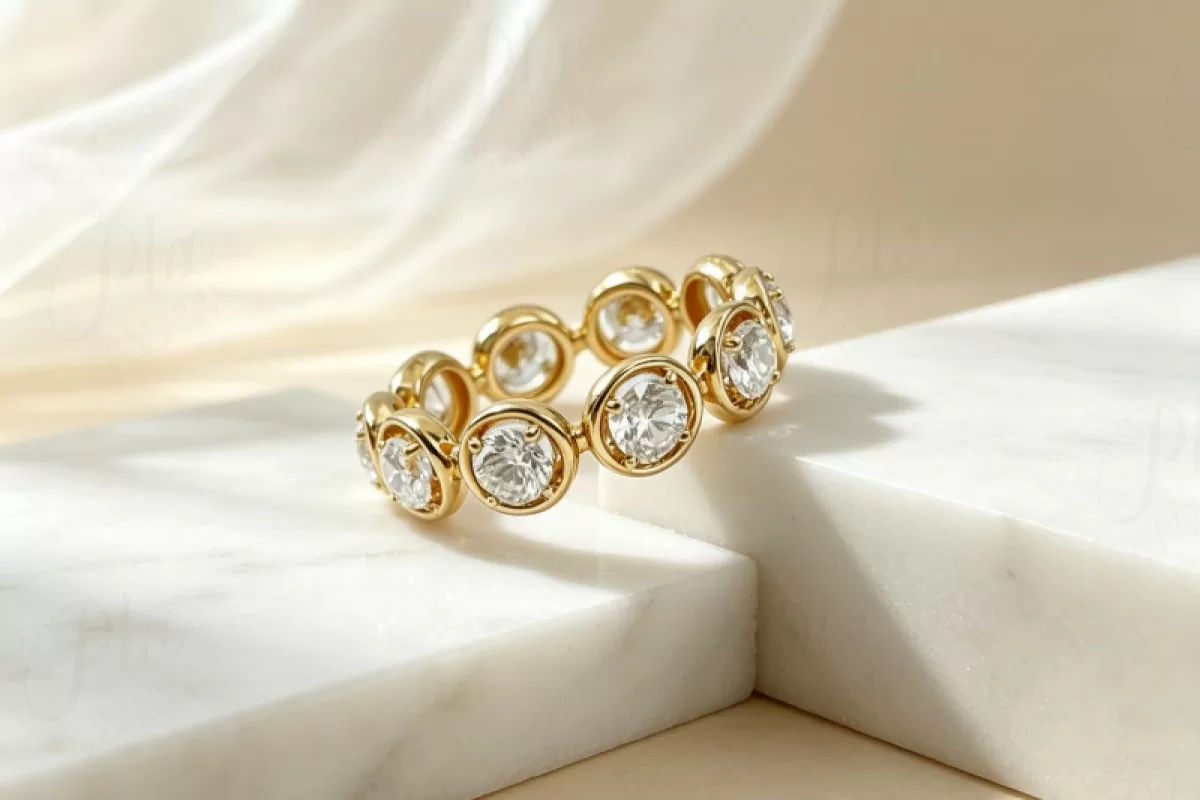
The first gate is the alloy. For Silver Jewelry in 925 sterling silver, nickel release must sit below 0.5 microgram per square centimetre per week; in plated pieces the barrier between the base alloy and the skin must survive daily wear. The second gate is the stone: a moissanite Silver Jewelry needs a GRA-equivalent report, a lab-grown diamond Silver Jewelry needs IGI or GIA, and the report number must match the laser on the stone.
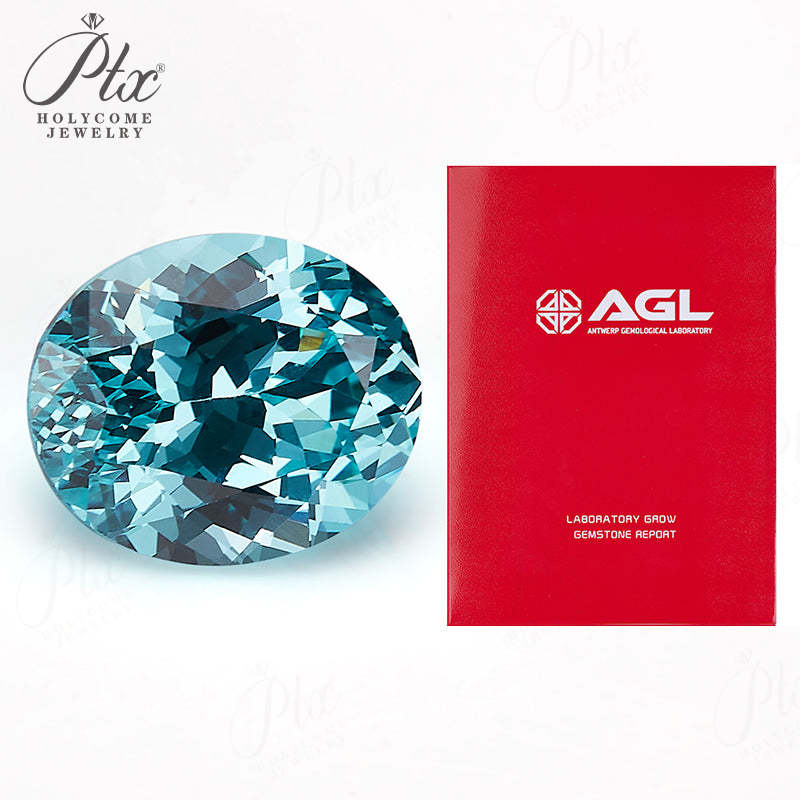
The third gate is the paper trail. Each Silver Jewelry carton carries the invoice declaration, the assay stamp and the stone report; customs or a chain-store buyer should be able to match the piece, the stamp and the report without a phone call. If a supplier cannot produce these three gates before bulk, the price of the Silver Jewelry is irrelevant.
Re-testing a Silver Jewelry run is not about paperwork; it is about catching an alloy change before it reaches a retail store. A factory that swaps a supplier to save three percent on silver cost will quietly reuse your existing test certificate unless you require a fresh sample each lot.
The compliance checklist for Silver Jewelry
Run the checklist in order. First, ask for the nickel and lead test on the exact alloy used for this Silver Jewelry, not a generic report from a different line. Second, ask for the assay reading on the stamp: 925 silver, 10K or 14K gold, measured weight and fineness. Third, ask for the stone report and verify the number online.
Fourth, confirm the plating thickness on the Silver Jewelry — a thin 0.03 micron plating tarnishes in weeks, while a proper rhodium or palladium flash runs 0.20 micron. Fifth, check the country of origin statement on the commercial invoice. Sixth, ask how often the alloy lot is re-tested when the supplier changes. Seventh, keep the approved first article for six months after every Silver Jewelry run.
The stone report on a Silver Jewelry piece should match the laser on the stone, not just the box. Ask the supplier to photograph the stone with the report number beside it; this single step stops the common practice of shipping lower-grade stones under a better certificate.
Certification scorecard for Silver Jewelry
Use this scorecard on every Silver Jewelry supplier. Mark Pass, Verify or Reject. Three Rejects means walk away, no matter the piece price.
| What to ask | Pass | Verify | Reject |
|---|---|---|---|
| Nickel release report | Third-party, this alloy | Lab report + assay | Generic or different alloy |
| Stamp and assay | 925/10K/14K, measured | Assay on request | Stamp only, no assay |
| Stone certificate | GRA/IGI/GIA, verifiable | Laser matches report | No number online |
| Plating thickness | 0.20 micron flash | Written quote | No plating line |
Plating thickness is the most under-inspected compliance item on Silver Jewelry. A 0.03 micron flash looks perfect at sample approval and tarnishes in six weeks. A 0.20 micron rhodium or palladium flash costs cents more per piece and survives the retail shelf.
Red flags in Silver Jewelry compliance
Four red flags. First, a supplier who offers the compliance report after you order, not before. Second, a report that lists a different alloy, a different factory or a different piece than the Silver Jewelry on the quote. Third, a stone report with no verifiable number online. Fourth, a refusal to show the plating bath thickness in writing.
If any of these appears on a Silver Jewelry quote, assume the price is hiding the re-test cost. Move the compliance line into the quote, in writing, before you commit a deposit.
Country of origin on a Silver Jewelry invoice must match where the piece was actually finished. If the casting happened in one country and setting in another, say so; US customs and EU buyers increasingly audit the finishing country, not the raw material source.
What compliance adds to the Silver Jewelry price
Real numbers. A nickel and lead third-party test runs USD 80 to USD 150 per alloy, amortised over a 500-piece Silver Jewelry run. A GRA stone report runs USD 3 to USD 6 per stone. A 0.20 micron rhodium flash adds roughly USD 0.5 to USD 1.2 per piece versus a 0.03 micron flash.
Across a 300-piece Silver Jewelry order, a fully compliant piece costs USD 2 to USD 4 more than a bare one. The return rate from a tarnished or mis-stamped piece, once a retail buyer notices, is the whole order.
Keep the compliance file per Silver Jewelry design, not per order. When you reorder six months later, the alloy and stone reports carry over only if the bath and stone lot have not changed. A two-page file per design saves days on a repeat inspection.
Scaling compliance from 50 to 500 Silver Jewelry pieces
At 50 Silver Jewelry pieces, compliance is a sample check. At 500, it is a system: a fresh alloy sample per lot, a stone report per color, and a QC bench that logs prong and stamp readings. The marginal cost of compliance per Silver Jewelry piece actually falls as the run grows.
Buyers who scale Silver Jewelry without scaling compliance discover the issue at the retail chain audit. That conversation costs more than the compliance line would have across the entire year of orders.
Picture a US boutique buyer who opens a 300-piece Silver Jewelry tray. The first thing they check is the stamp on a random piece, then the stone report on a random stone, then the plating under a loop. If all three pass, they reorder. If any one fails, the whole tray goes back and the buyer moves to the next factory. Compliance on Silver Jewelry is the difference between a one-time order and a standing line.
Your Silver Jewelry checklist
- Confirm the nickel and lead report is on the exact alloy used for this Silver Jewelry run.
- Verify the stone report number online before approving the Silver Jewelry sample.
- Read the assay value on the stamp: 925, 10K or 14K.
- Ask for the plating thickness in writing on the Silver Jewelry quote.
- Match the country-of-origin line on the invoice to the goods.
- Keep the approved first article for six months after each Silver Jewelry batch.
- Re-test when the alloy, plating bath or stone lot changes.

Frequently Asked Questions
Which compliance certificates should a Silver Jewelry supplier provide?
Ask for a third-party nickel and lead report covering the actual alloy used on Silver Jewelry, a stamped hallmark (925, 10K, 14K) verified by assay, and a stone report (GRA for moissanite, IGI or GIA for lab-grown diamond). In-house lab reports are useful for production control, but chain-store buyers will ask for the third-party one. Send us the Silver Jewelry design and metal, and we return the compliance file before bulk.
Is nickel-free the same as hypoallergenic?
No. Nickel-free on Silver Jewelry means nickel release below 0.5 microgram per square centimetre per week under EN 1811; hypoallergenic is a marketing claim with no legal definition. Use the nickel-release number on your Silver Jewelry listing, not the word. Send us the Silver Jewelry design and metal, and we return the compliance file before bulk.
Who pays if US customs holds a Silver Jewelry shipment?
Whoever misdeclared it. If the alloy, stone treatment or country of origin on the Silver Jewelry invoice does not match the goods, the importer pays storage, re-testing and possibly destruction. Build the customs file before the bulk run, not after the vessel docks. Send us the Silver Jewelry design and metal, and we return the compliance file before bulk.
Does GRA certification add cost to Silver Jewelry?
A GRA or equivalent stone report costs a few US dollars per stone and is included in most moissanite Silver Jewelry quotes. What you pay extra for is the matching physical laser inscription and a report number that can be verified online. Send us the Silver Jewelry design and metal, and we return the compliance file before bulk.
How often should we re-test a Silver Jewelry batch?
First article, pre-production, and final bulk. If the alloy, supplier or plating bath changes, treat it as a new product and re-run the nickel and lead tests before stocking Silver Jewelry in a retail store. Send us the Silver Jewelry design and metal, and we return the compliance file before bulk.
Compliance on Silver Jewelry is not a cost center; it is the reason a retail buyer reorders. A piece that arrives with a wrong stamp, a thin plate or an unverifiable stone certificate costs the buyer more than the piece itself.
Related Reading
Next Step
Send us the Silver Jewelry design, the metal and the stone type, and we return the nickel and lead report, the assay reading and the stone certificate for approval before bulk. The compliance line is itemised on the quote, in writing.
HOLYCOME, the export brand of Wuzhou HengliLai Jewelry Co., Ltd., has made moissanite and sterling silver jewelry in Wuzhou, Guangxi since 2009, at roughly 60,000 pieces a month. Every Silver Jewelry run leaves the bench with the assay, the stone report and the nickel release reading attached to the batch file. Reach the trade desk at service@holycome.com or WhatsApp +86 133 7744 7107.
Since 2009, HOLYCOME has run the compliance file for every Silver Jewelry order leaving our Wuzhou bench: assay, stone report, nickel reading, and a photo of the approved first article. That file is why US boutiques and Amazon private-label sellers reorder Silver Jewelry with us instead of negotiating it from scratch every season. Ask for the file with your sample.
The compliance bar for Silver Jewelry wholesale is simple in principle but strict in practice: third-party nickel and lead on the actual alloy, an assay-verified stamp, a verifiable stone certificate, and a written plating thickness. Get those four on the quote before deposit, and your Silver Jewelry order arrives sellable, not held.
Send us your Silver Jewelry design and the target metal. We return the compliance file, the assay reading and the stone certificate for approval before bulk, with MOQ 50 per design and sample in three to five days.
Join the thread. Ask a sizing, setting or sourcing question and the bench answers.
Post a questionWritten By
HOLYCOME
Gemologists and setters at our own workshop. We have been cutting moissanite and lab grown stones since 2013.