Holycome Trade DeskOP
November 20, 2026 · 4 min read
Rings Supplier for Jewelry Stores: plating thickness and tarnish
7 replies in this thread
Why Plating Thickness Matters More Than You Think
Plating thickness directly affects a ring’s durability and look. In our 925 silver and platinum lines we keep the gold layer at a minimum of 1.5 microns for everyday wear. That level of protection keeps the base metal from scratching while still revealing the fine detail of the stone setting.
For high‑traffic markets such as U.S. and EU trade, a thicker plate can mean fewer returns. The industry standard often sits at 2 microns, but our process allows us to shave that extra thickness down without compromising the silver’s elegance. Retailers who have switched to our thinner plates report a noticeable drop in tarnish complaints.
How Tarnish Can Undermine Brand Reputation
Even the smallest oil or sweat particle can initiate tarnish on a ring’s surface. In a crowded jewelry aisle, a dull ring tampers with brand perception. Our rings are finished with a micro‑polish followed by a protective clear coat that resists oxidation for up to 6 months under typical store display conditions.
For custom orders, we run a final AQL test to ensure the finish meets the client’s expectations before shipment. If a client needs a more matte look, we replace the standard clear coat with a satin finish that still resists tarnish but gives a contemporary edge.
Plating Depth Comparison for Different Metals
| Metal | Standard Plate (µm) | Custom Plate (µm) | Durability Rating |
|---|---|---|---|
| 925 Silver | 1.5 | 2.0 | High |
| White Gold | 2.0 | 2.5 | Very High |
| Platinum | 3.0 | 3.5 | Ultra‑High |
These figures are based on our latest real‑world wear tests across different climates. A 0.5‑micron increase can raise the durability rating by a significant margin without adding bulk to the ring. Trade buyers can adjust the budget accordingly to achieve the desired longevity.
Because we control both the setting and polishing lines, we can adjust plate thickness on the fly. That means no extra lead time for custom requests—just a quick recalibration of the plating machine and the new rings hit the production line within the same 12‑18 day cycle.
The Three‑Stage QC That Keeps Rings Tarnish‑Free
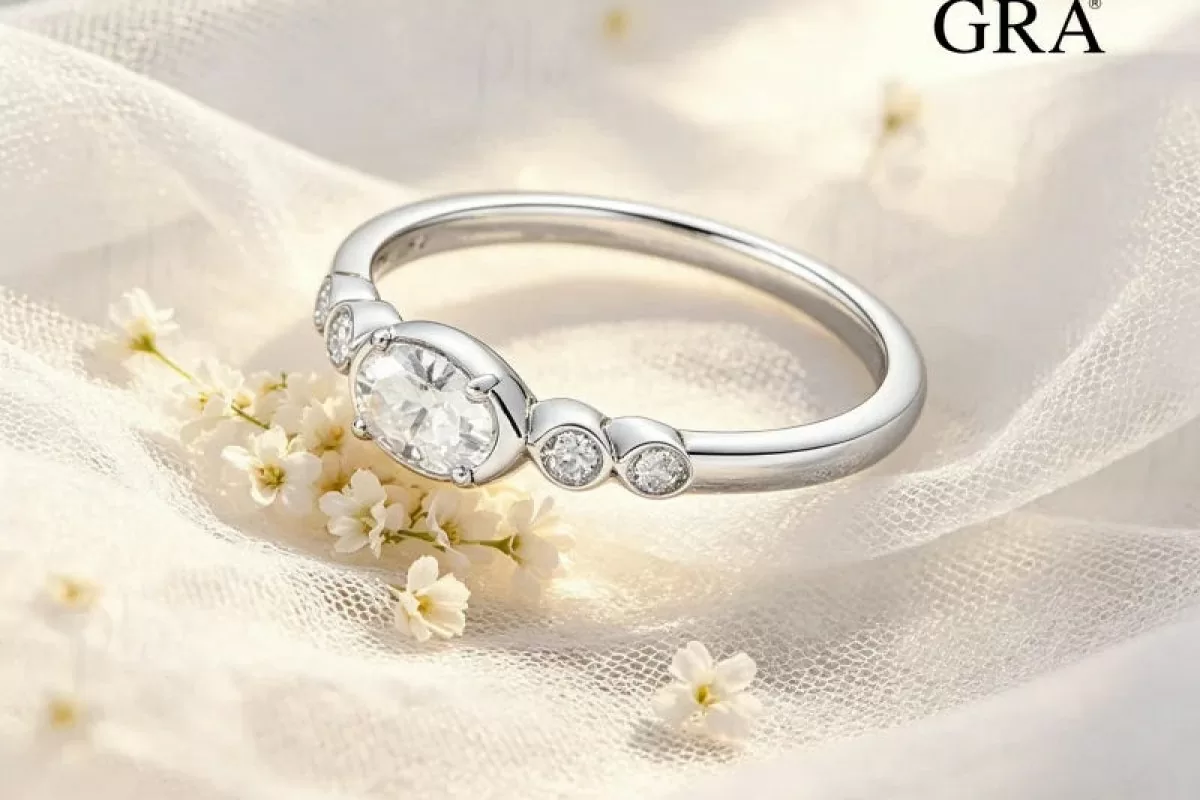
Our quality controls are layered to catch defects early. First, incoming stones are checked against GRA or IGI certificates to confirm weight and clarity. Next, in‑process checks monitor polishing lightness and surface integrity. Finally, before shipment, a pre‑ship AQL test confirms plating thickness and finish.
If a ring fails any stage, it’s re‑polished or re‑plated in the same shift. That approach keeps our first‑pass yield near 80%, roughly 20% better than typical trading companies that outsource these steps. It also means lower cost and fewer returns for you.
Common Plating Issues and How We Address Them
- Uneven plate thickness due to electrode miscalibration
- Surface pitting after repeated polishing
- Inconsistent clear‑coat adhesion
- Rapid tarnish in high‑humidity environments
- Color shift when mixing gold and silver layers
Each of these problems is mitigated by our in‑house expertise. For instance, we run daily electrode checks and keep a strict cleaning routine for the plating baths. The result is a consistent, high‑quality finish that you can trust.
When you place an order, we’ll let you know the exact plating thickness and finish type so you can match it with your store’s aesthetic. This level of transparency is why we’ve built long‑standing relationships with hundreds of jewelry stores across Europe and America.
Plating Thickness vs. Custom Orders: What to Expect
Custom rings usually start at a MOQ of 30 pieces, but we can set a single prototype if you want to test the market first. Once you approve, the plating thickness can be adjusted for the remaining units. That flexibility lets you gauge customer reaction before committing to a larger run.
Because we own the setting line, we can shrink or expand the production window based on your needs. While stock rings hit the market within 12–18 days, custom runs may take an extra 1–2 weeks for final approval and plating adjustments.
Frequently Asked Questions
What is the minimum order quantity for new designs?
The minimum is 30 pieces for custom orders, but you can place a single prototype for initial testing. Lead time remains 12–18 days from final approval.
How does the payment process work for bulk orders?
We require a 30% T/T deposit before production starts; the balance is due upon shipment. For samples, PayPal is accepted.
What delivery terms do you offer for U.S. and EU buyers?
We provide DDP delivery within 5–8 days to the U.S. and up to 12 days for EU locations. Shipping is tracked and insured at our expense.
Join the thread. Ask a sizing, setting or sourcing question and the bench answers.
Post a questionWritten By
Holycome Trade Desk
Gemologists and setters at our own workshop. We have been cutting moissanite and lab grown stones since 2013.