HOLYCOME EditorialOP
November 18, 2026 · 6 min read
Necklaces Wholesale: First-Order Landed Cost Math
8 replies in this thread
Why Your First Necklace Order Almost Always Costs More Than the Quote
Every week a buyer sends me a spreadsheet with a unit price on it and asks if we can beat it. Nine times out of ten the number they are comparing is not the number they will actually pay. The quote is FOB somewhere, or it excludes duty, or it quietly leaves out the certificate and the polybag and the carton. By the time the goods land in a US or EU warehouse, that friendly unit price has grown a beard.
So let us do this properly. Below is the landed cost math I walk first-time buyers through on necklaces wholesale, using real line items from our floor. I have been running QC in this building for twelve years, so I will also tell you which of these lines you can squeeze and which ones you should never touch.
The Five Cost Buckets on a Necklace Order
Forget the single-number quote. A first order breaks into five buckets, and each one behaves differently. Get all five on paper before you compare suppliers, because a supplier who looks 8% cheaper on bucket one is often 15% more expensive once buckets two through five show up.
- Bucket 1: ex-works unit price (metal, stones, labor, plating, setting)
- Bucket 2: compliance and paperwork (certificates, assay, labeling)
- Bucket 3: freight and insurance (air express, sea LCL, or courier)
- Bucket 4: duty, VAT, and customs brokerage at destination
- Bucket 5: payment fees, QC rework, and the cost of defects you did not catch
Bucket 1: What Actually Sits Inside the Unit Price
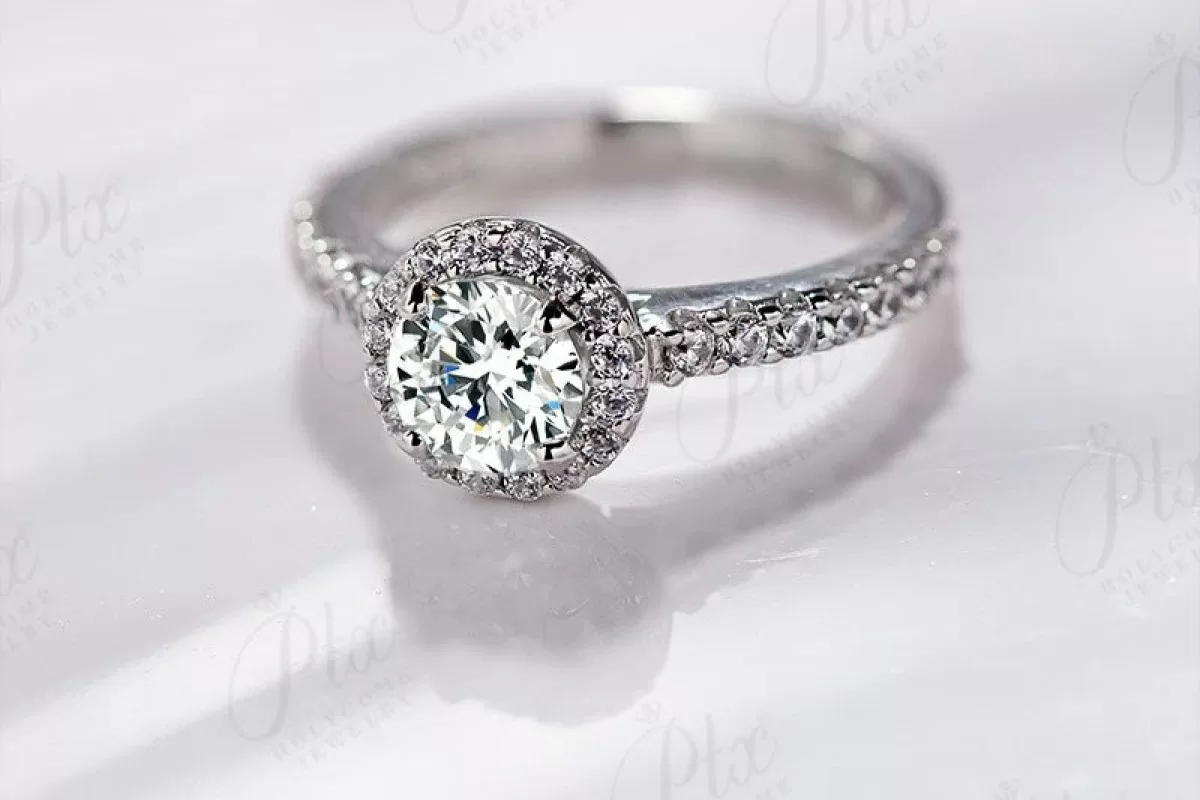
Take a 925 silver pendant necklace with a 6.5mm moissanite, 45cm cable chain, rhodium finish. On our floor the unit price is built from four lines: silver weight times the day's metal fix, stone cost by grade and size, labor by operation count, and plating by micron thickness. A heavier chain or a thicker rhodium layer is not a small bump. It is a real line item, and any supplier who waves it off is either guessing or planning to substitute later.
This is where our numbers tend to land about 20% under typical trading companies. The reason is boring and structural: we cut and set in the same building, so there is no middleman margin stacked on top of the stone price, and our yield on setting is higher because the same QC team checks the first article. Trading companies buy finished goods and resell; they cannot fix a bad setting batch, they can only discount it.
MOQ reality check
Stock designs start at 1 pc per SKU. Custom work, meaning your own pendant, your own chain length, your own clasp, starts at 30 pcs per design. That 30 is not a sales tactic. It is the point where the mold or the CAD revision and the first-article approval stop eating the margin.
Bucket 2: Certificates Are a Cost Line, Not a Freebie
Moissanite should travel with GRA cards per stone, and lab-grown diamond goods should carry IGI reports where the buyer needs them. Both cost money, both take time, and both get skipped by suppliers who quote a suspiciously round number. Ask which body issues the report and whether the certificate number is traceable online before you compare prices.
For a first order, budget the certificate as a per-piece add. If a supplier says certificates are included at no cost on a 50-piece run, ask to see one from the last shipment. That question alone has saved buyers I know from a container of unverifiable goods.
Bucket 3 and 4: Freight, Duty, and the DDP Shortcut
Air express on 20 to 50 kg of necklaces is fast and painful per kilo. Sea LCL is cheap per kilo and slow, and for a first order the waiting usually costs more in missed selling season than it saves in freight. Many first-time buyers are better off with DDP delivery, where duty and clearance are handled and the goods arrive in 5 to 8 days.
Duty rates depend on metal content, stone type, and destination tariff code, and they change. I will not quote you a percentage in an article because it would be wrong by the time you read it. I will say this: get the HS code in writing from your supplier before you pay, and check it against your own broker's advice. A wrong code is the most expensive typo in this business.
A Worked Example: 100 Pendant Necklaces to the US
Numbers below are illustrative, not a quote. The point is the shape of the math, not the digits. Run your own figures into the same rows.
| Cost line | Basis | Illustrative amount | Notes |
|---|---|---|---|
| Ex-works goods | 100 pcs at unit price | Base number | Confirm what is included |
| Certificates | Per piece, GRA or IGI | Small add per pc | Ask for issuing body |
| Freight and insurance | DDP, 5-8 days | Per kg, not per pc | Packaging weight matters |
| Payment fees | T/T 30% deposit, balance before ship | Bank and FX spread | PayPal only for samples |
| QC and rework reserve | 3-stage inspection | Hold 2-3% of goods value | Cheaper than a return |
Divide the total by 100 and you have your true landed cost per necklace. Most first-time buyers find it sits 15% to 30% above the unit price they first saw. That gap is not a scam. It is simply everything the quote did not say out loud.
If a supplier cannot itemize the five buckets on one page, they are not hiding a bargain. They are hiding a surprise.
Where the 20% Advantage Comes From, Honestly
Our cost, speed, and yield run roughly 20% better than typical trading companies, and I would rather explain why than just claim it. Stones are graded in-house before they touch a bench, so we reject bad parcels before they become labor cost. Setting and polishing happen under one roof, so a rework loop is hours, not a two-week round trip to a subcontractor. And pre-ship inspection uses AQL sampling on the finished cartons, which means we catch the clasp and jump-ring failures before freight, not after.
Production on a standard first order runs 12 to 18 days after deposit and artwork approval. That clock starts when the deposit clears and the spec sheet is signed, not when you first email. Payment is T/T with 30% deposit and balance before shipment; PayPal is fine for samples so you can hold the piece in your hand before committing to a run.
The QC sequence you should ask about
Three stages: incoming stone check, in-process check at setting and plating, and pre-ship AQL on the packed order. Any factory that only mentions the last one is inspecting hope, not product.
Frequently Asked Questions
What is the minimum order for necklaces wholesale?
Stock designs are 1 pc per SKU, so you can sample a range before committing. Custom designs start at 30 pcs per style, which covers CAD work, the first article, and approval. Price basis is per piece, ex-works, before freight and duty.
How long does a first order take?
Production is 12 to 18 days after the deposit clears and the spec sheet is approved. DDP delivery adds 5 to 8 days in transit, with duty and clearance handled. Certificates can add a few days if IGI reports are requested.
How is the price calculated, and what is not included?
Unit price covers metal, stones, labor, and plating at the stated grade and thickness. Certificates, freight, duty, and payment fees sit outside that number and belong in your landed cost. Ask for the itemized version so you can compare suppliers on the same basis.
If you want this math run on your own necklaces wholesale brief, send the design, quantity, and target market to service@holycome.com or message WhatsApp +86 133 7744 7107. We will send a cost sheet with the five buckets separated and a sample quote so you can hold the piece before you place the run.
Join the thread. Ask a sizing, setting or sourcing question and the bench answers.
Post a questionWritten By
HOLYCOME Editorial
Gemologists and setters at our own workshop. We have been cutting moissanite and lab grown stones since 2013.