HOLYCOME EditorialOP
November 16, 2026 · 4 min read
Moissanite: Stone Choice: , Lab Grown Diamond
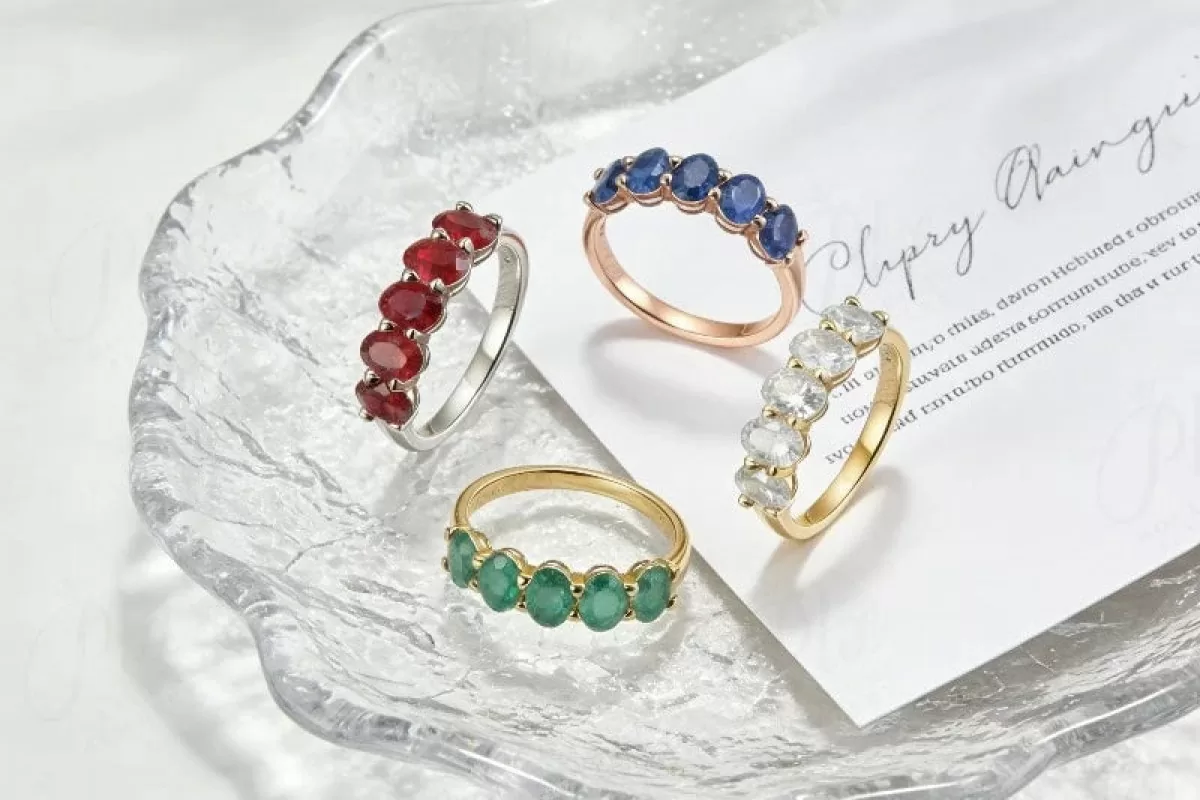
The stone on moissanite decides three things at once: the retail price, the disclosure you must make, and the returns rate. Choosing it by sparkle alone is how buyers end up with a listing that cannot be defended.
6 replies in this thread
moissanite: the value stone
moissanite is silicon carbide, hardness 9.25, with more fire than diamond. On moissanite, it delivers a diamond-like look at a fraction of the cost, and it is the stone most US buyers can sell at USD 80 to 200 retail.
The variables are cut quality and color grade. A well cut near-colorless stone looks clean; a poorly cut one shows a bow-tie under office light.
Put the gram weight per size on the PO, not an average. Cost and feel both follow weight, and an average hides the size that breaks the margin.
Lab grown diamond: the bridal stone
Lab grown diamond is chemically diamond, hardness 10, and needs the same disclosure as natural. It carries a certificate cost that moissanite does not, which matters at wholesale volume.
Use lab grown on moissanite when the retail price supports a certificate and the buyer can answer the disclosure question.
| Stone | Hardness | Sparkle | Certificate | Retail band |
|---|---|---|---|---|
| Moissanite | 9.25 | High fire | Optional | Entry to mid |
| Lab grown diamond | 10 | Diamond | Required at grade | Mid to high |
| Natural diamond | 10 | Diamond | Required at grade | High |
| CZ | 8.5 | Bright, flat | None | Entry |
Read the table as a checklist rather than a recommendation. The right row depends on the price band, the wear pattern and the channel you sell into.
Compare five cost lines instead of two totals. Metal, stone, labor, finishing and overhead explain a gap that a single number hides.
Zircon and cubic zirconia: the entry tier
CZ is hard enough for fashion and cheap enough for test orders, but it clouds over time and it cannot carry a diamond claim. Zircon is a natural stone with lower hardness and a different care story.
Keep these clearly labelled in the listing. A mislabelled stone is a compliance problem, not a margin decision.
Specifying the stone so the lot matches the sample
Write five fields: stone type, size in millimetres, color grade, cut and setting type. Add the tolerance: plus or minus 0.2 mm on the seat, and a color match within one grade.
Photograph the approved stone next to a ruler. That photo is the reference for every later lot.
Write the remedy before the defect. A matrix agreed in calm weather is the only thing that settles a claim in a storm.
What to check before the order
Run the five checks below in order. The first two protect the money, the last three protect the launch date.
- Write stone type, size, color and cut into the PO.
- Photograph the approved stone next to a ruler.
- State the disclosure wording on the listing.
- Check the seat tolerance, not just the stone size.
- Never let a CZ be sold as a diamond.
If a supplier cannot answer three of the five, treat the quote as a starting point rather than a plan. Ask again in writing and keep the answer with the PO.
Frequently Asked Questions
Is moissanite a good stone for moissanite?
Yes for value-driven lines. It is hard, bright and inexpensive, provided the cut is good and the listing says moissanite.
Do lab grown diamonds need a certificate?
At most US retail price points, yes, and the listing must state lab grown. Certificate cost is part of the landed price.
Can I mix stone types in one design family?
Yes, but keep the SKUs separate and label each clearly. Mixed labelling is where compliance problems start.
How do I check the stone size in a lot?
Measure ten stones per size with a caliper and compare to the approved reference photo.
What is the most common stone complaint?
A color mismatch against the sample, usually because the factory switched rough without telling the buyer.
How many suppliers should I keep?
Two approved sources for the top three designs, one for the tail. The second source is what keeps pricing honest.
Send the moissanite design and target price. We return a stone comparison with size tolerance, disclosure wording and the landed cost at each grade. See the full range at HOLYCOME.
The short version: specify the number, seal the sample, inspect against both. Everything else is negotiation.
Join the thread. Ask a sizing, setting or sourcing question and the bench answers.
Post a questionWritten By
HOLYCOME Editorial
Gemologists and setters at our own workshop. We have been cutting moissanite and lab grown stones since 2013.