HOLYCOME EditorialOP
November 16, 2026 · 4 min read
Moissanite: Cost Breakdown: The Five Lines
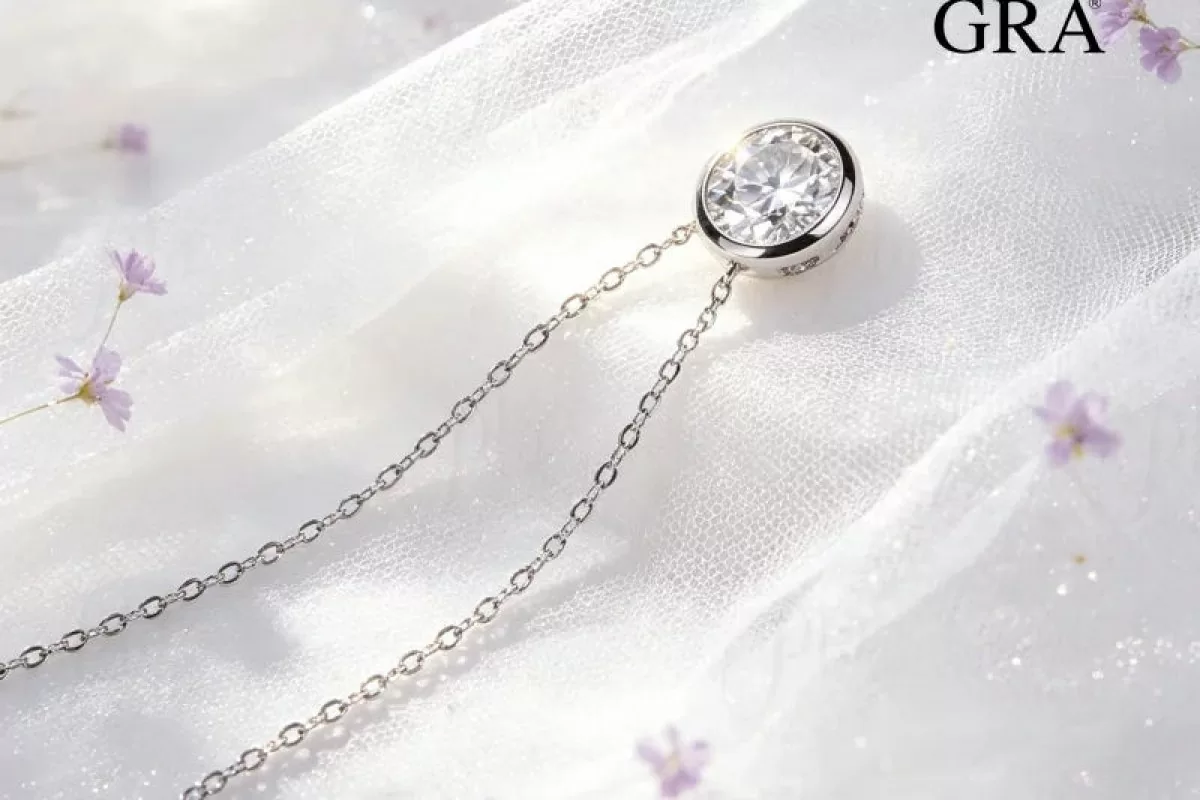
Two factories can quote the same moissanite at USD 38 and USD 62 and both be honest. The difference sits in five lines: metal, stone, labor, finishing and overhead. Once you can read those lines, a quote stops being a number and becomes a specification.
6 replies in this thread
Line one and two: metal and stone
The metal line follows weight times alloy price plus loss. On moissanite, a 2.1 g sterling piece and a 3.4 g piece look similar on a screen and differ by 60 percent in metal cost. Ask for the gram weight per size, not an average.
The stone line follows size, grade and setting labor. A 6.5 mm moissanite and a 6.5 mm lab grown diamond sit in different price bands, and a prong setting and a bezel take different bench time.
Put the gram weight per size on the PO, not an average. Cost and feel both follow weight, and an average hides the size that breaks the margin.
Line three: labor
Labor is the line that hides. Casting, filing, setting, polishing and plating are five touches. A quote that assumes two touches will show up later as a rough gallery or a stone that rattles.
Ask how many bench minutes are budgeted per moissanite piece. A serious factory answers in minutes, not in adjectives.
| Quote line | What to ask | Typical share |
|---|---|---|
| Metal | Gram weight per size, alloy, loss rate | 30-45% |
| Stone | Size, grade, setting type | 15-35% |
| Labor | Bench minutes per piece | 15-25% |
| Finishing | Plating microns, polish standard | 5-10% |
| Overhead | QC, packing, export, payment terms | 10-20% |
Read the table as a checklist rather than a recommendation. The right row depends on the price band, the wear pattern and the channel you sell into.
Keep the CAD file and the mold receipt. Ownership is a document, not an understanding.
Line four and five: finishing and overhead
Finishing covers plating thickness and final polish. Overhead covers QC, packaging, export paperwork and the sales cost. A quote with no overhead line is not cheaper; it is a quote that will be reissued after the sample.
The cleanest way to compare two quotes is to ask each factory to split the price into the same five lines, then compare line by line instead of comparing totals.
Reading a quote in five minutes
First, check the gram weight. Second, check the stone specification and whether the grade is stated. Third, check the plating thickness in microns. Fourth, check what is excluded: mold fee, logo plate, custom box. Fifth, check the validity period.
Any line left blank is a line that will be priced later, usually after you have committed the design.
A supplier who will name the mill, the stone source and the plating shop is a supplier you can audit. A supplier who will not is a price with no chain behind it.
What to check before the order
Run the five checks below in order. The first two protect the money, the last three protect the launch date.
- Ask for gram weight per size, never an average.
- Ask for plating thickness in microns.
- Ask what the quote excludes: mold, logo, box, testing.
- Ask how long the quote holds.
- Compare five lines, not five totals.
If a supplier cannot answer three of the five, treat the quote as a starting point rather than a plan. Ask again in writing and keep the answer with the PO.
Frequently Asked Questions
Why do moissanite quotes vary so much between factories?
Usually metal weight, stone grade or plating thickness. A 20 percent price gap almost always traces to one of those three lines.
Is a lower quote always worse?
No. A factory with in-house casting and plating can be cheaper at the same specification. The test is whether it will state the specification in writing.
Should the mold fee be inside the moissanite unit price?
It can be amortised, but ask for the one-off amount separately so you can compare across factories.
How do I compare a USD quote and a RMB quote?
Convert at the same date, then compare the five lines. A currency difference hides a specification difference more often than a real price difference.
What belongs in the sample cost?
Sample cost should cover materials and bench time only. If it also carries a design fee, ask for that line separately.
How do I compare two quotes for this item?
Split both into metal, stone, labor, finishing and overhead, then compare line by line. A single total hides the specification difference.
Send the moissanite spec sheet and target price. We return a five-line cost sheet with gram weight, stone grade, plating microns and the excluded items listed. See the full range at HOLYCOME.
The short version: specify the number, seal the sample, inspect against both. Everything else is negotiation.
Join the thread. Ask a sizing, setting or sourcing question and the bench answers.
Post a questionWritten By
HOLYCOME Editorial
Gemologists and setters at our own workshop. We have been cutting moissanite and lab grown stones since 2013.