HOLYCOME Trade DeskOP
November 9, 2026 · 11 min read
Earrings Trade Show Sample: The Sample Approval
13 replies in this thread
Trade Show Sampling for earrings
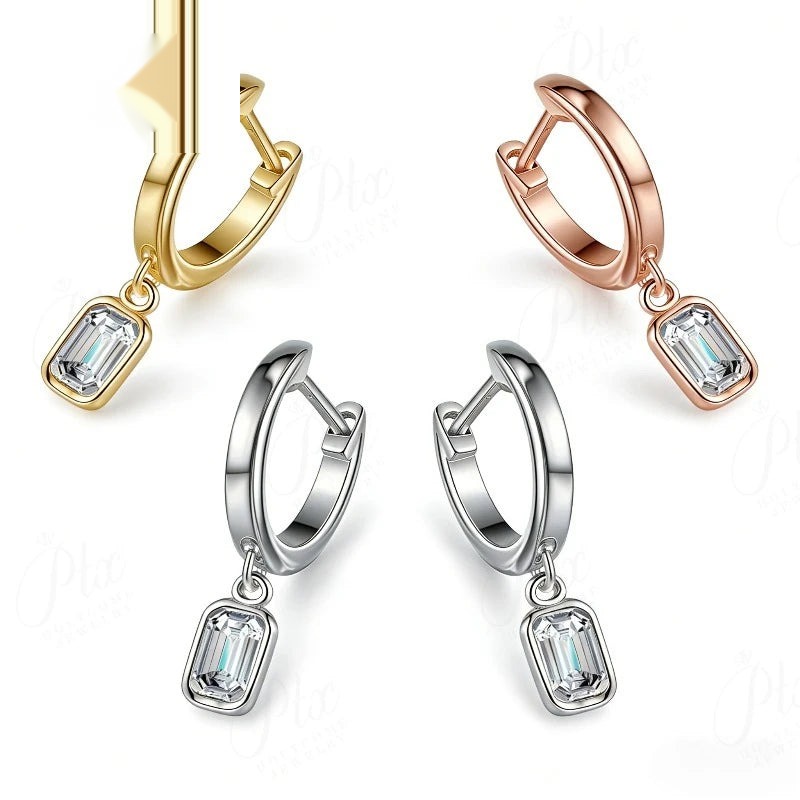
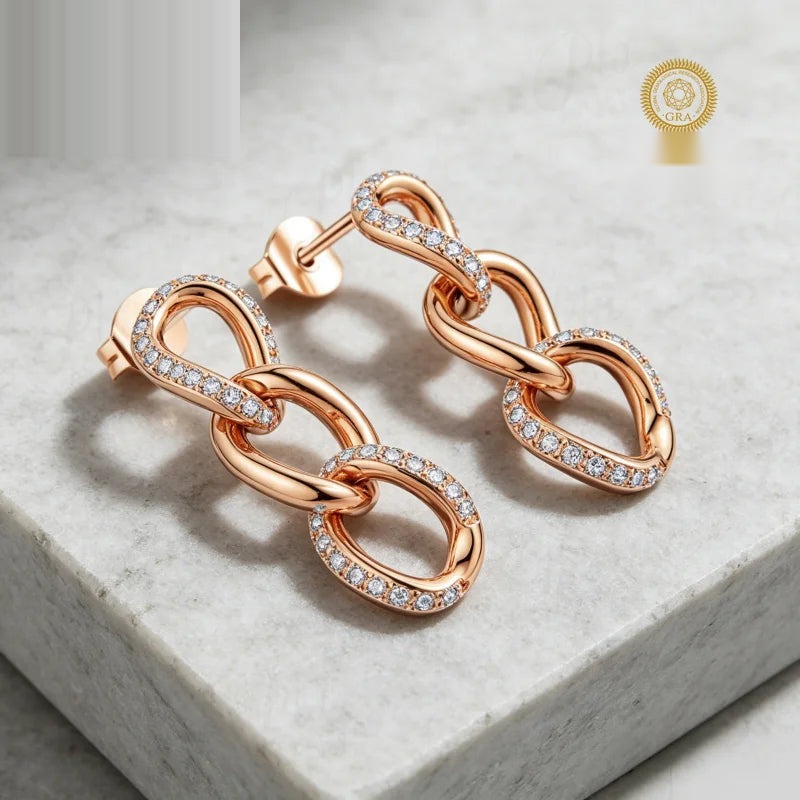
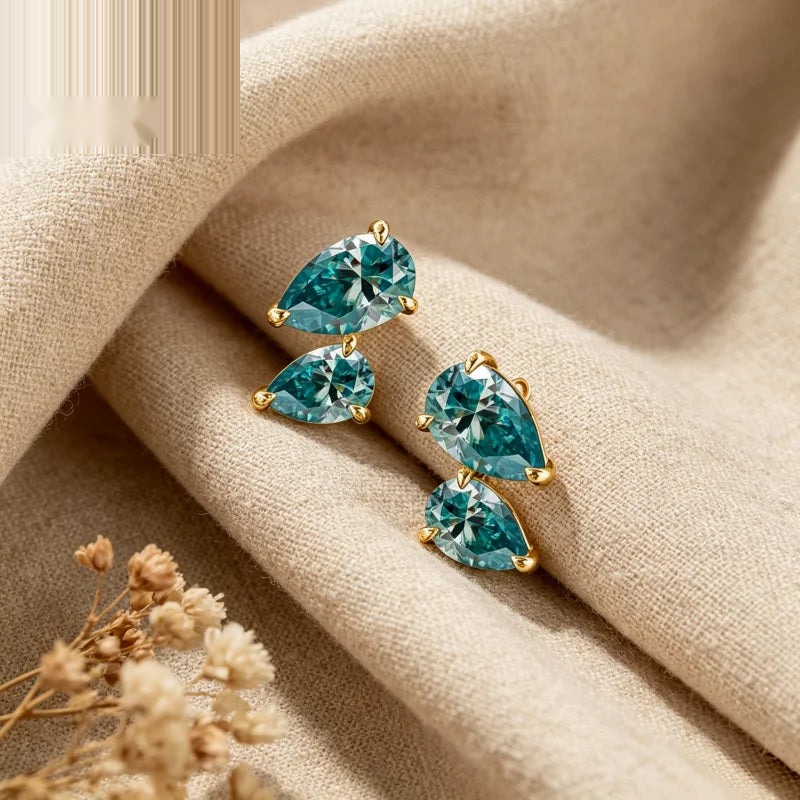
A trade show converts on the sample that leaves the booth, not on the catalog that gets left behind. The sample card has to carry the model number, the metal, the stone size, the FOB price and the MOQ, or the follow-up email starts from zero, the figure being USD 41-231 for a 100-piece run.
Ten to twelve pieces on a tray is the useful number for earrings. More than that and the buyer photographs instead of touching, and a photograph is not an order, with GRA report and display tray with sample card stated on the same sheet.
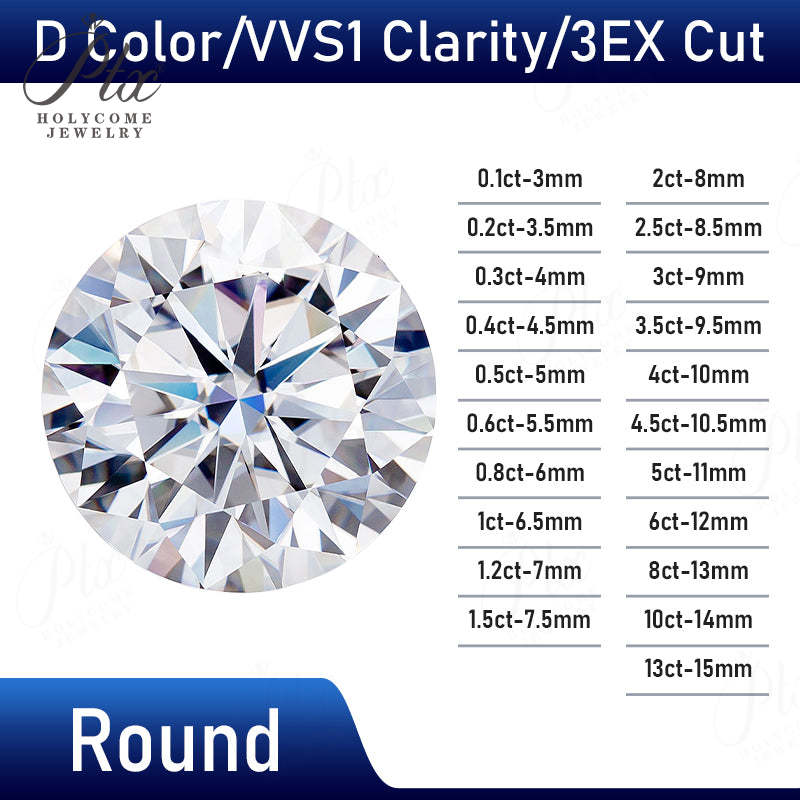
The follow-up window is seven days. After that the card sits in a stack. We write the quote the same week and put the sample in the post so the buyer has the piece on the desk when the price arrives, the figure being USD 41-231 for a 100-piece run.
The Sample Approval That Survives Production
The brief was simple: 100 earrings, 925 sterling silver, delivered before January. The run that arrived carried 17 pieces with prong geometry, and the buyer spent USD 30-85 on sorting before the goods reached a shelf, on a 100-piece Trade Show Sample order at USD 41-231.
The incoming report named prong geometry and the purchase order did not. On a Trade Show Sample run that gap between documents is the whole reason a tray fails inspection, and the Trade Show Sample quote for it sits at USD 41-231.
We did not touch the retail price. We changed what travels with the display tray with sample card carton, and the Trade Show Sample account stopped re-inspecting every tray, which the Trade Show Sample file records at USD 41-231 in display tray with sample card.
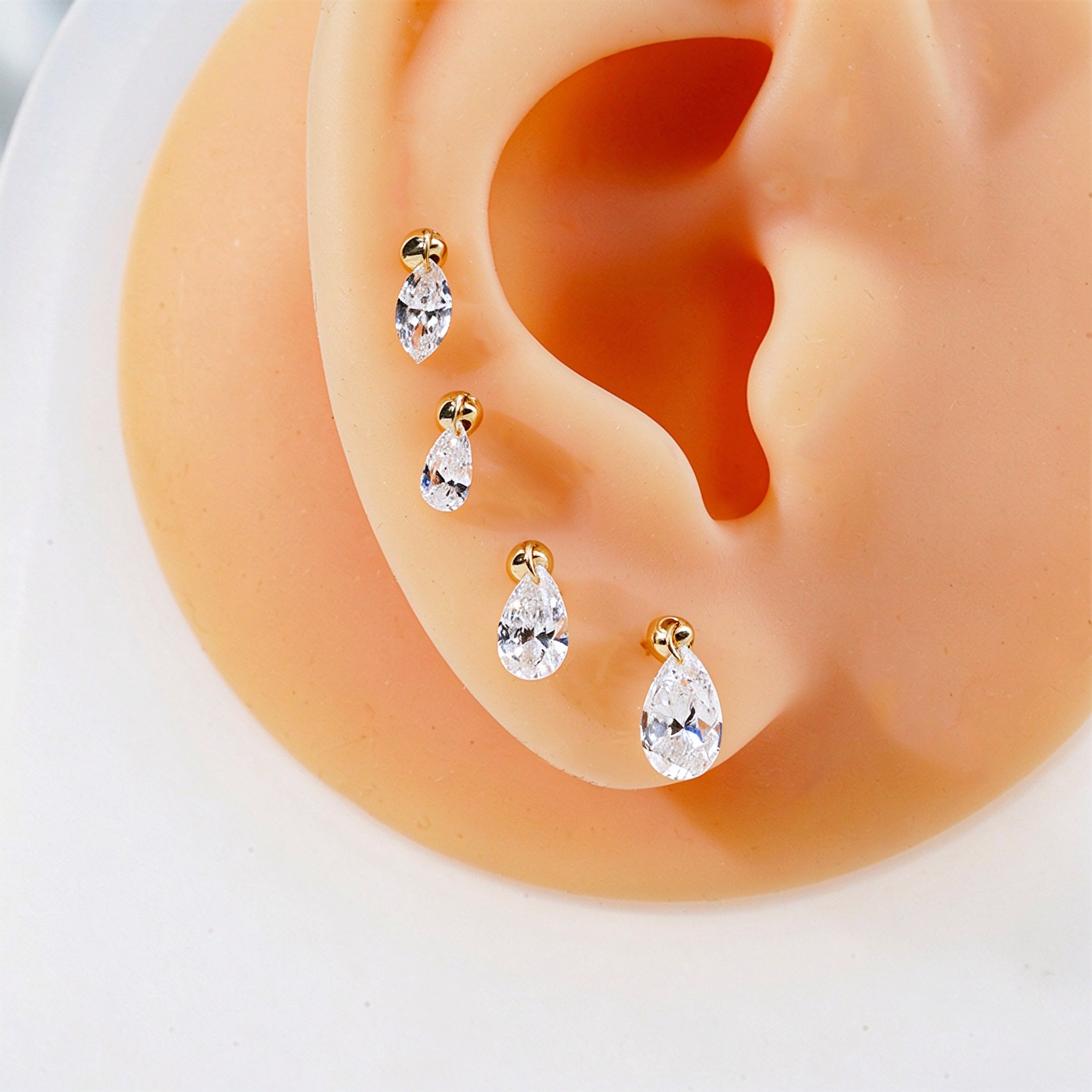
What US buyers Check Before They Sign
A quote for earrings usually states carat weight or metal type, and stops there. The four points below are what actually decide whether a run sells through or comes back, which the Trade Show Sample file records at USD 41-231 in display tray with sample card.
| Spec point | Common trade output | HOLYCOME standard | Cost if missed |
|---|---|---|---|
| Stone color consistency | Graded by eye under D65 | Color matched to a retained master stone, per tray | Repeat color complaint in the same SKU |
| Sizing drift across the run | Not measured | Go/no-go gauge on every size, drift held under 0.15 mm | Resize queue and reship cost |
| Clasp spring life | Sampled by hand | Cycled 500 times on a jig per lot | Detach claim and brand damage |
| Prong tension and seat depth | Checked by feel at the bench | Pull-tested per piece, seat depth written on the sheet | Stone loss and total replacement |
Each line above is a gauge check, not a marketing claim. A factory that cannot state them in numbers is quoting an opinion about earrings, quoted at USD 41-231 per piece in display tray with sample card.
Where USD 41-231 Per Piece Actually Goes
At USD 41-231 per piece there is no room for hidden cost. The table shows where the money sits and which line a supplier can actually compress.
| Cost line | Share | What moves it |
|---|---|---|
| Base metal or alloy for earrings | 30% | Alloy choice and casting yield |
| Stone or melee for earrings | 20% | Sieve range and lot batching |
| Setting and finishing labor for earrings | 19% | Jig design and bench minutes |
| Plating, polish and QC for earrings | 12% | Per-tray versus per-piece checks |
| Packaging for earrings | 19% | display tray with sample card |
A supplier with no bench minutes per piece has never costed earrings. Ask for minutes and the reject rule before you ask for a discount, the figure being USD 41-231 for a 100-piece run.
The Sample Approval That Survives Production
Most quotes for earrings describe the product and skip the part that decides whether the buyer makes money, which the Trade Show Sample file records at USD 41-231 in display tray with sample card.
The commercial version of this question for earrings is simple: what does a failure cost the buyer, and who pays it. In our terms the answer is a replacement inside the same order cycle, with the retained reference tray as the arbiter, and the Trade Show Sample quote for it sits at USD 41-231.
That clause matters more than a discount on earrings. A 4% lower unit price disappears on the first rejected tray; a written responsibility clause does not, and the Trade Show Sample quote for it sits at USD 41-231.
How the Second Order Becomes Cheaper
This is the question that separates a trading company from a factory, and on earrings the answer is usually shorter than buyers expect, which is how the Trade Show Sample account reads it at USD 41-231.
What buyers underestimate on earrings is the cost of the interruption, not the cost of the piece. A missing 6% of a run stalls a launch, and a stalled launch costs more than the 6% ever did, on a 100-piece Trade Show Sample order at USD 41-231.
We plan a 3-5% buffer on first runs of earrings and tell the buyer it exists. Hiding a buffer and shipping it as production is how a supplier trains a buyer to distrust the count, on a 100-piece Trade Show Sample order at USD 41-231.
Order Terms, Sample Timing and Packing
The commercial frame is short enough to state in full. Minimum order is 50 pieces per design, and mixed designs travel in one shipment, so a 100-piece Trade Show Sample order can carry three or four models without a separate setup charge. Sample pieces leave in 3-5 days when the components are in stock, and a new model adds about twenty days before the first article exists, and 100 pieces leaves Wuzhou in display tray with sample card at USD 41-231.
Payment is 30 percent with the order and 70 percent against the bill of lading, with the balance window stated on the invoice rather than agreed by message. Prices quoted at USD 41-231 are FOB Guangzhou or Shenzhen; DDP is quoted separately because the duty line moves with the tariff schedule and not with our cost.
Packing follows the display tray with sample card format at 100 pieces to the carton, and the packing list carries SKU, size and stone size so receiving can count without opening every box. Private-label cartons add three days for the print run and must be approved before the first bulk order, not after it, and at USD 41-231 for 100 pieces that is the number the buyer signs.
Certification is GRA report for the lots that carry it, with a batch report and per-piece measurement of stone retention after a 40-cycle wear test for the lots below the threshold. The document set travels with the shipping papers, which is what a customs broker asks for at the port rather than after clearance, which is USD 41-231 on the Trade Show Sample schedule.
A rejected tray is settled inside the same order cycle against the retained reference piece. If the difference sits on our retained sample we replace or credit; if it appeared in transit we split the assay cost and file with the carrier, and that rule is written on the order before the deposit clears, priced at USD 41-231 for the 100-piece Trade Show Sample run.
The Three Failures We See Most in Incoming Samples
rhodium burn-off
A 0.05 micron rhodium layer reads white in the tray and shows yellow at the shank in six months of daily wear. Thickness, not bath chemistry, is the variable that matters, quoted at USD 41-231 per piece in display tray with sample card.
In a 100-piece run this typically shows on 11 of pieces. Catching it means measuring stone retention after a 40-cycle wear test at the tray level, not inspecting the finished carton, priced at USD 41-231 for the 100-piece Trade Show Sample run.
size-step drift
A run gauged at size 6 and estimated elsewhere ships a size 8 that measures 7.75. The mismatch shows up as a resize queue two weeks after launch, and the Trade Show Sample quote for it sits at USD 41-231.
The commercial effect is a return shipment plus a resize labor claim, typically USD 9-14 per piece. Buyers who have seen it once put it in the purchase order; buyers who have not usually discover it on the first return, certified GRA report and packed display tray with sample card at 100 pieces.
prong geometry
A prong that grips the girdle instead of the pavilion survives the showroom and fails the third ultrasonic clean. The seat has to be cut to the pavilion angle before the prongs close, shipped as display tray with sample card and certified GRA report.
Our countermeasure is a gauge and a written limit. It adds about 22 seconds per piece and removes the defect from the run rather than from the carton, which is USD 41-231 on the Trade Show Sample schedule.
What This Means for a First Order
A first order of 50 pieces per design is a measurement, not a purchase. It shows how stone retention after a 40-cycle wear test and prong tip height within +/-0.10 mm behaves on this line and whether the QC sheet matches the carton, priced at USD 41-231 for the 100-piece Trade Show Sample run.
Six weeks of testing is cheaper than a season of returns on earrings. That is the entire argument for a small first order, and the Trade Show Sample quote for it sits at USD 41-231.
How a Repeat Order Gets Built
Nothing in this sequence is clever. Each step exists because skipping it produced a specific failure on a previous order of earrings, shipped as display tray with sample card and certified GRA report, with GRA report and display tray with sample card stated on the same sheet.
- Lock the spec: metal, stone size range, plating thickness, sizing band and finish, all written on one sheet.
- Pull a stock-component sample in 3-5 days and measure it against that sheet, not against the photo.
- Approve the sample in writing, including the reject rule and the retained reference tray.
- Run bulk in 15-20 days for orders under 500 pieces, with the gauge check independent of the shift.
- Ship from Guangzhou or Shenzhen with the QC sheet in the carton and the batch report by email.
Reorders run 12-15 days because the model, the gauge set and the signed spec stay in our system between the Trade Show Sample runs, and at USD 41-231 for 100 pieces that is the number the buyer signs.
Freight, Duty and the Arrival Check
At 100 pieces the carton count drives freight more than the weight. display tray with sample card packs tighter than a display tray and saves a pallet position, the figure being USD 41-231 for a 100-piece run.
FOB Guangzhou or Shenzhen is the default on earrings. Buyers new to North American retail take DDP once and switch after they see the breakdown, on a 100-piece Trade Show Sample order at USD 41-231.
If prong geometry shows in the arrival check, the retained tray decides ownership. Keep the GRA report sheet beside the packing list, which the Trade Show Sample file records at USD 41-231 in display tray with sample card.
Frequently Asked Questions
How do you handle a rejected tray?
We replace or credit inside the same order cycle. The retained reference tray decides: if prong geometry shows on our retained piece we own it, and if it appeared in transit we split the assay cost and file with the carrier, and 100 pieces leaves Wuzhou in display tray with sample card at USD 41-231.
What are the payment terms?
30 percent deposit with the order, 70 percent against the bill of lading. For accounts on a second order we quote 30/70 with a 15-day balance window once the first shipment has cleared, and 100 pieces leaves Wuzhou in display tray with sample card at USD 41-231.
What is the minimum order for earrings?
50 pieces per earring. Designs mix inside one shipment, so a first order of three designs at 50 pieces each is normal for a new US account. Below 50 the gauge check stops being independent of the shift, on a 100-piece Trade Show Sample order at USD 41-231.
Do you supply certificates for earrings?
GRA report on earrings above the threshold stated on the quote. Below it we supply a batch report plus per-piece measurement of stone retention after a 40-cycle wear test, which is what a counter or a listing actually needs, the figure being USD 41-231 for a 100-piece run.
How do you handle a rejected tray?
We replace or credit inside the same order cycle. The retained reference tray decides: if prong geometry shows on our retained piece we own it, and if it appeared in transit we split the assay cost and file with the carrier, and 100 pieces leaves Wuzhou in display tray with sample card at USD 41-231.
Next Step
Put your current quote beside ours on stone retention after a 40-cycle wear test and prong tip height within +/-0.10 mm, plating thickness, dimensional tolerance and the reject rule. The comparison usually settles it quickly, and 100 pieces leaves Wuzhou in display tray with sample card at USD 41-231.
HOLYCOME is operated by Wuzhou HengliLai Jewelry Co., Ltd., a factory in Wuzhou, Guangxi, producing since 2009 at roughly 60,000 pieces a month. Contact service@holycome.com or WhatsApp +86 133 7744 7107, which the Trade Show Sample file records at USD 41-231 in display tray with sample card.
Related reading: Earrings Q4 Holiday Stock: How the Second Order Becomes Cheaper - HOLYCOME Earrings Bridal Boutique: Alloy, Karat and the Cost of a Color Change - HOLYCOME
Join the thread. Ask a sizing, setting or sourcing question and the bench answers.
Post a questionWritten By
HOLYCOME Trade Desk
Gemologists and setters at our own workshop. We have been cutting moissanite and lab grown stones since 2013.