Jewelry Forum Hub TeamOP
August 27, 2026 · 5 min read
Colored Gemstone Care: Emerald, Opal, Ruby, Pearl and More
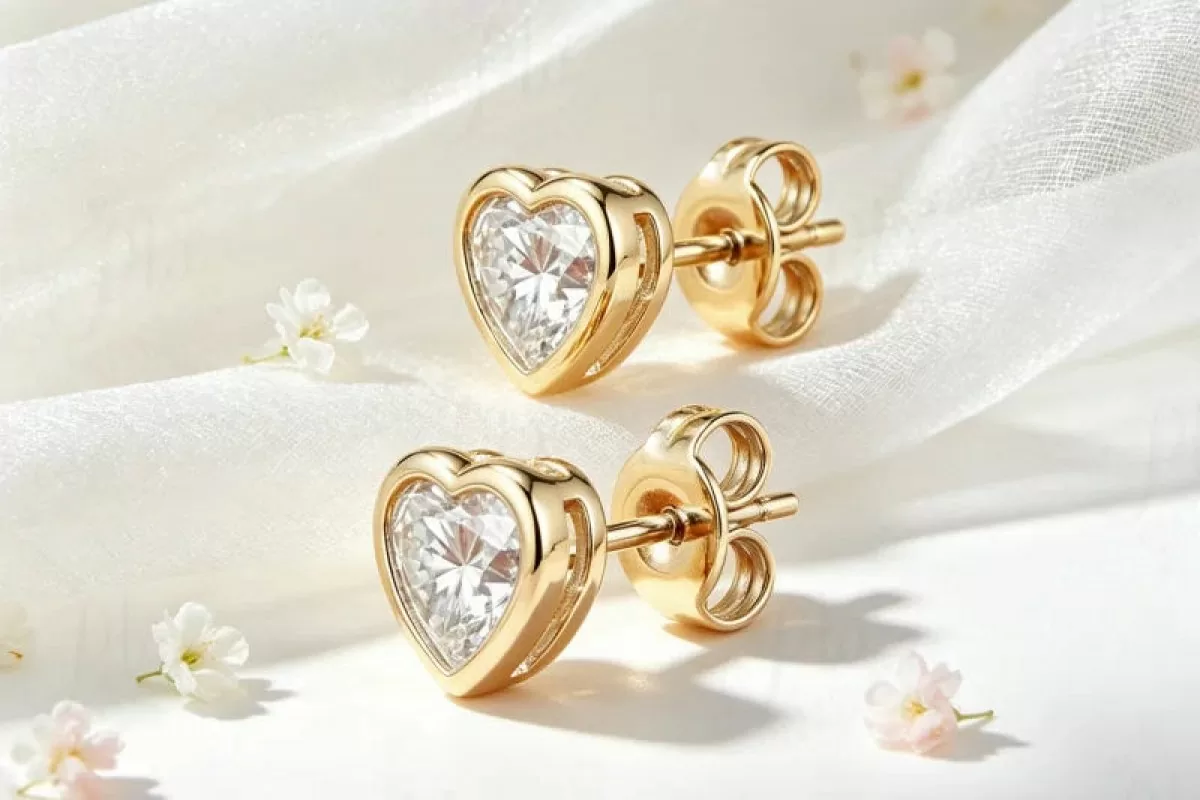
Most jewelry care advice is written for diamonds and gold, and it will quietly ruin a colored stone. An emerald is not a green diamond. An opal is not a milky CZ. Each colored gem has its own temperature, chemical, and moisture preferences, and learning them takes ten minutes but saves a stone you cannot easily replace.
9 replies in this thread
Start with hardness: the Mohs scale
The Mohs scale ranks a mineral's scratch resistance from 1 (talc) to 10 (diamond). It is not a toughness ranking, which trips people up. Corundum (ruby and sapphire) sits at 9 and shrugs off daily life. Emerald is 7.5 to 8 but is naturally full of fractures and can crack under a sharp knock. Opal is 5.5 to 6.5 and loses water over time, which is why it looks dull when neglected. Hardness tells you about scratches; toughness tells you about chips, and the two do not always travel together.
| Stone | Mohs | Biggest risk | How to clean |
|---|---|---|---|
| Ruby / sapphire | 9 | Hard knocks on a sharp angle | Soap and water, soft brush |
| Emerald | 7.5-8 | Heat, sudden temperature change | Damp cloth only |
| Amethyst / citrine | 7 | Sunlight fading over years | Soap and water |
| Opal | 5.5-6.5 | Drying out, dehydration | Damp cloth, avoid soaking |
| Pearl | 2.5-4.5 | Acid, cosmetics, perfume | Soft cloth after each wear |
| Turquoise | 5-6 | Oils, lotion, sweat | Dry cloth, never soak |
The rules that trip people up
Ultrasonic cleaners are the hidden villain. They are safe for many diamonds and sapphires, but the vibrations can open fractures in emeralds and shake pearls loose from their settings. Steam cleaners are worse, because heat plus moisture stresses almost every colored stone. When in doubt, skip the machine. A soft cloth and lukewarm soapy water is boring, but it is the advice that does not end in a repair bill.
Everyday habits that protect the stone
Pearls live longest when they are worn: the skin's natural oils feed them, but perfume and hairspray etch their surface. Put pearls on last, after makeup and fragrance, and wipe them with a soft cloth before storing. Opals hate long dry spells in a safe deposit box, which is why they are stones that actually benefit from being worn. Emeralds should be kept away from sudden hot and cold shifts, like stepping from a cold outdoors into a steamy shower. Turquoise absorbs skin oils and lotion, which is why old turquoise rings can darken over decades and why lotion goes on before the jewelry, never after.
Storage and travel for colored gems
Store each colored stone separately, because a sapphire in the same pouch as a pearl will scratch the pearl without anyone noticing. For travel, a small rigid case beats a soft roll, because a crushed setting on the road is a lost evening. If you fly with a valuable colored stone, keep it in your carry-on, not in checked luggage, and photograph the piece before you leave home.
- Store colored stones separately so they do not scratch each other.
- Never soak pearls, opal, or turquoise overnight.
- Re-string pearl necklaces every few years as the silk wears thin.
- Inspect emerald prongs annually, because fracture-filled stones are more fragile.
Colored gems reward a little attention and punish shortcuts. If you want the daily backbone that supports this, the 10-minute weekly routine pairs with these material rules to keep everything looking the way it did the day you bought it.
Treated stones need gentler care
Most colored gems on the market have been treated in some way: sapphires and rubies are routinely heated, emeralds are often oiled, and many turquoise pieces are stabilized. Treatments do not make the stone fake, but they change how it ages. Oiled emeralds can dry out and lose their filler over decades, which is why they avoid heat and harsh light. Dyed or stabilized turquoise can leach color if it meets chemicals. Ask what treatment a stone has had, because the care instructions follow from that answer.
Sunlight and slow fading
Several colored stones fade gradually in strong sunlight over years, not weeks. Amethyst, rose quartz, and some blue topaz lose saturation if left on a windowsill. This is a slow process, so the fix is simply not storing colored gems in direct sun. A jewelry box in a drawer solves it without any special effort. People who keep a favorite stone on a sunny vanity often notice the difference after a few summers, which is a quiet loss you can avoid by moving the box.
When in doubt about a new stone, default to the gentlest method: a soft, barely damp cloth. You can always escalate to soap and water later, but a soaking you cannot undo is how an opal loses its life.
A good jeweler will tell you how to clean a stone when they sell it. If that conversation never happened, it is worth asking now, because the answer changes by the stone, and a one-size-fits-all cleaning habit is how collections get quietly damaged.
Authoritative References
For buyers who need to verify the technical and regulatory basis of this guide, the following independent institutions publish authoritative reference data:
- GIA Gem Encyclopedia - independent grading and identification reference for natural and lab-grown gems.
- Wikipedia: Moissanite - peer-reviewed background on moissanite chemistry, optics and history.
Related Reading
Frequently Asked Questions
What care instructions should I give end customers?
Remove jewelry before swimming, cleaning or applying perfume. Store dry in a sealed bag. Clean with mild soap and a soft brush, then dry fully.
How often does rhodium plating need renewal?
Every 12–18 months under daily wear. Offer a re-plating service to your customers to build repeat visits.
Does chlorine damage sterling silver?
Yes. Chlorine and saltwater accelerate tarnish and can pit the surface. Rinse and dry immediately after any contact.
What causes green skin marks?
Copper or nickel in the base alloy reacting with sweat. Switch to 316L, titanium or sterling, and specify nickel-free plating.
Join the thread. Ask a sizing, setting or sourcing question and the bench answers.
Post a questionWritten By
Jewelry Forum Hub Team
Gemologists and setters at our own workshop. We have been cutting moissanite and lab grown stones since 2013.