HOLYCOME EditorialOP
November 16, 2026 · 3 min read
Buying Guides: Measuring for: The Method That
Size returns on Buying Guides are mostly a measurement problem, not a fit problem. The customer measures wrong, or the product is listed with a range instead of a number.
6 replies in this thread
The measurement the customer should take
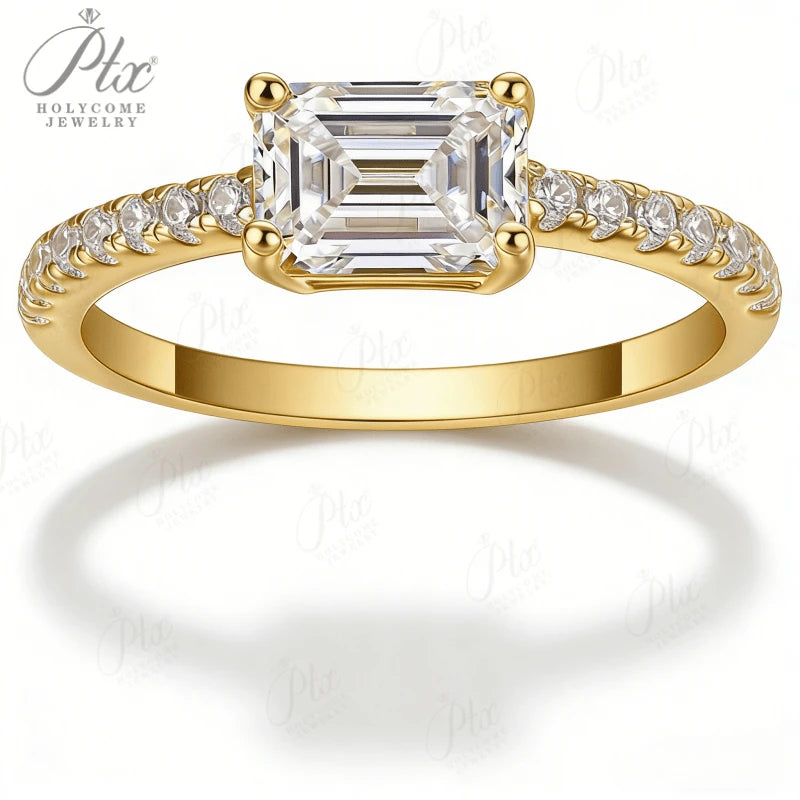
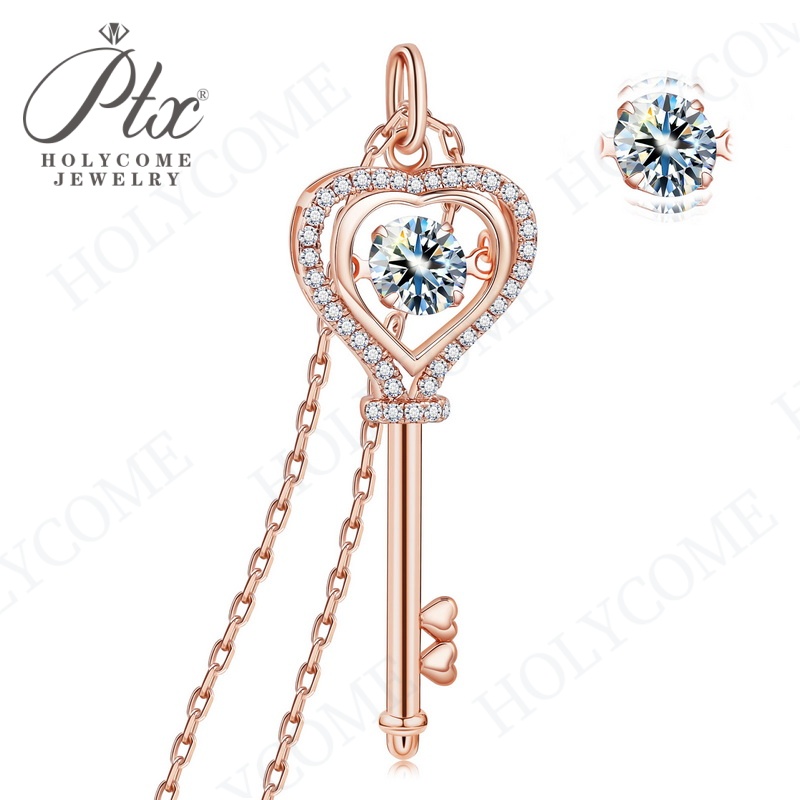
For rings, measure the inner diameter of a ring that fits, in millimetres, and convert with the chart. For chains, measure the length that sits where the customer wants it, not the length of an old chain.
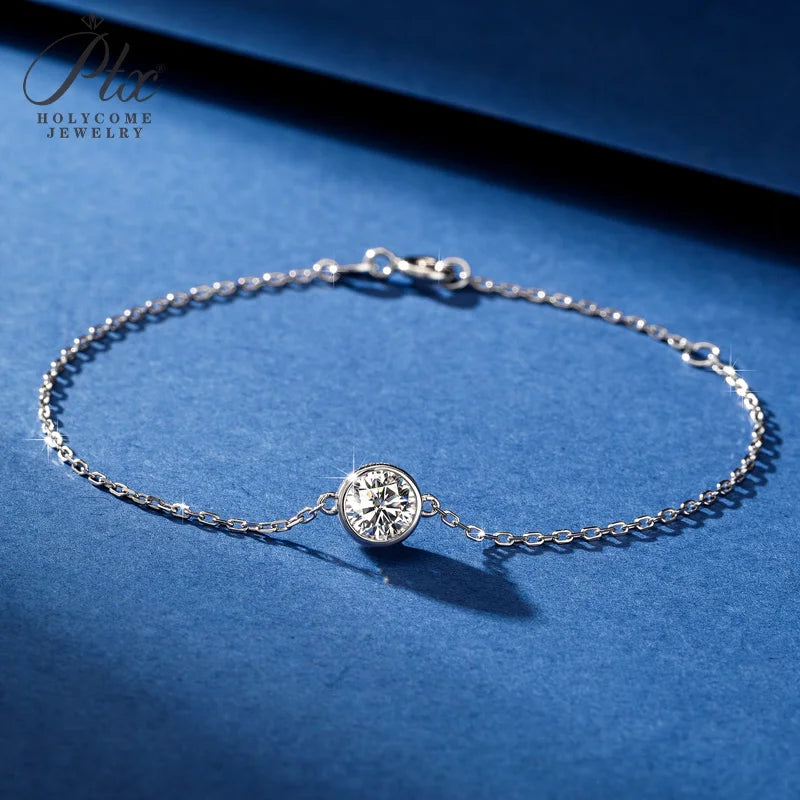
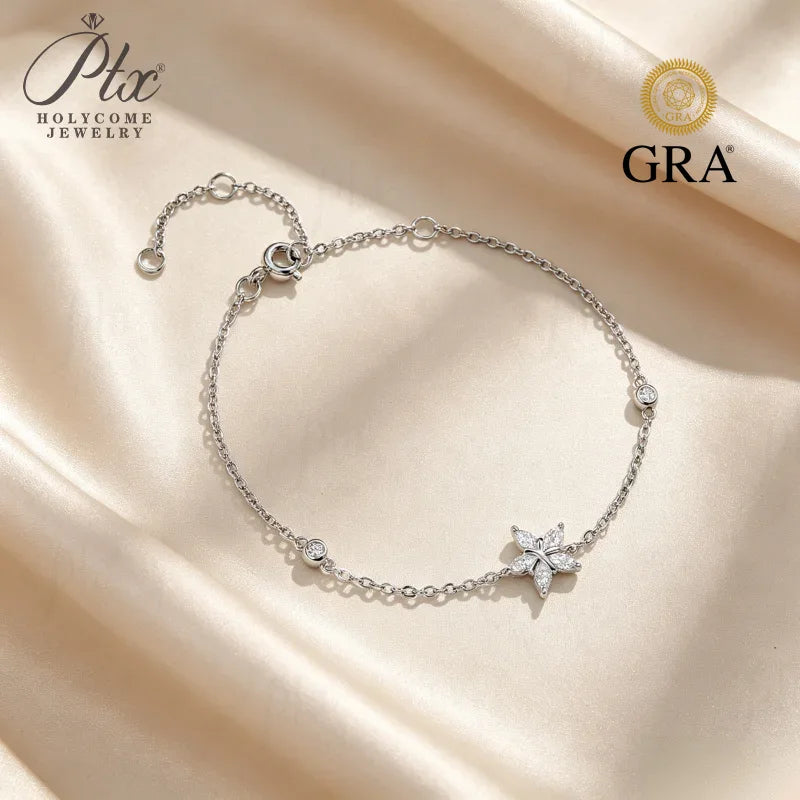
For bracelets, measure the wrist circumference and add the comfort allowance stated on the listing.
Ask for the plating thickness in microns, then test the contact points on the first lot. A thirty-second cloth rub shows color transfer before a customer does.
The chart that prevents tickets
Publish a chart with three columns: US size, inner diameter in millimetres, and circumference. Add a note on half sizes and on wide bands, which run tighter.
On Buying Guides, the wide-band note removes a whole category of exchange.
| Item | Measure | Tool | Common error |
|---|---|---|---|
| Ring | Inner diameter | Ring gauge | Using circumference |
| Chain | Total length | Tape | Measuring an old chain |
| Bracelet | Wrist plus allowance | Tape | No allowance stated |
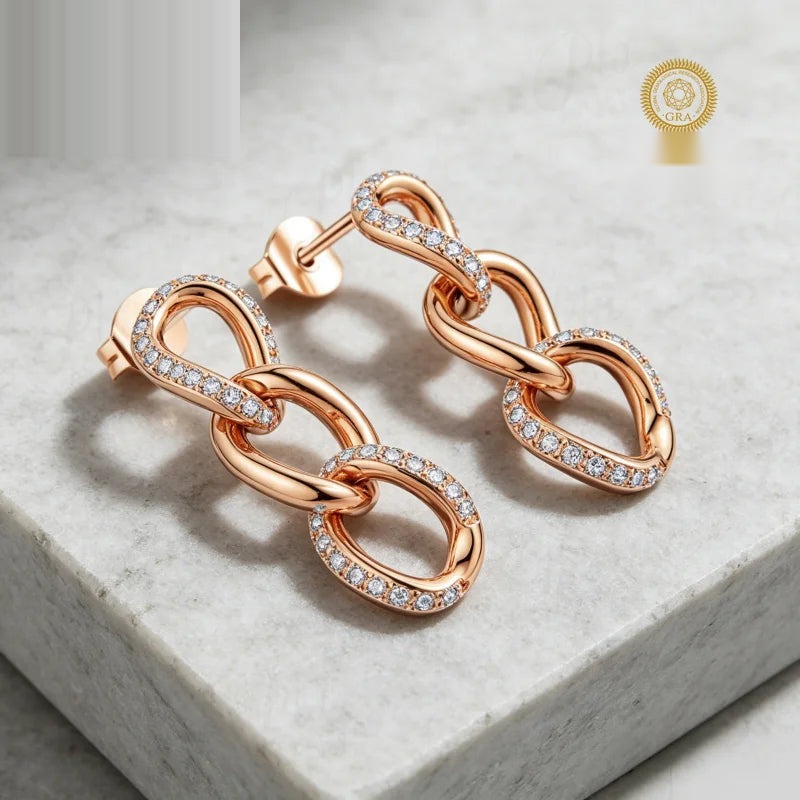
| Earring | Post length, drop | Caliper | Drop measured with hook |
Read the table as a checklist rather than a recommendation. The right row depends on the price band, the wear pattern and the channel you sell into.
Put the forecast window in writing. Capacity priority follows predictability, not friendship.
Tolerances you should publish
State the manufacturing tolerance, for example plus or minus 0.1 mm on the inner diameter, and the chain length tolerance of plus or minus 5 mm.
A published tolerance is a defence. An unpublished one is a surprise.
How to handle a resize request
Decide in advance which designs can be resized and by how many sizes. Eternity bands and full-channel settings usually cannot.
On Buying Guides, listing the resize limit up front is cheaper than discovering it in a return.
Capacity is the constraint that price cannot solve. In peak season a cheaper factory with no slot is more expensive than a dearer one with a date.
What to check before the order
Run the five checks below in order. The first two protect the money, the last three protect the launch date.
- Measure diameter, not circumference, for rings.
- Publish a three-column chart.
- Note that wide bands run tighter.
- State the manufacturing tolerance.
- List resize limits per design.
If a supplier cannot answer three of the five, treat the quote as a starting point rather than a plan. Ask again in writing and keep the answer with the PO.
Frequently Asked Questions
How do I measure for Buying Guides?
Measure the inner diameter of a piece that fits, in millimetres, and convert with the published chart. For chains, measure the drop you want.
Why do wide bands fit tighter?
More surface contact. Most charts add a half size for bands over 4 mm.
What tolerance should I publish?
Plus or minus 0.1 mm on the inner diameter and 5 mm on chain length.
Can every design be resized?
No. Eternity and full-channel settings usually cannot. State it in the listing.
How do I reduce size returns?
Publish the chart, the tolerance and the wide-band note. Those three remove most of the wrong-size orders.
What is the fastest way to lose money on a first order?
Skip the trial lot and accept an average gram weight. Both hide the problem until rework is at lot scale.
Send the Buying Guides size range. We return a three-column chart, the tolerance text and the resize limits for each design. See the full range at HOLYCOME.
None of this is exotic. It is a document, a measurement and a date, repeated until it becomes a process.
Join the thread. Ask a sizing, setting or sourcing question and the bench answers.
Post a questionWritten By
HOLYCOME Editorial
Gemologists and setters at our own workshop. We have been cutting moissanite and lab grown stones since 2013.