Holycome Trade DeskOP
November 24, 2026 · 7 min read
Bracelets Wholesale: inbound QC
8 replies in this thread
Why Bracelets QC Deserves a Closer Look From Wholesale Buyers
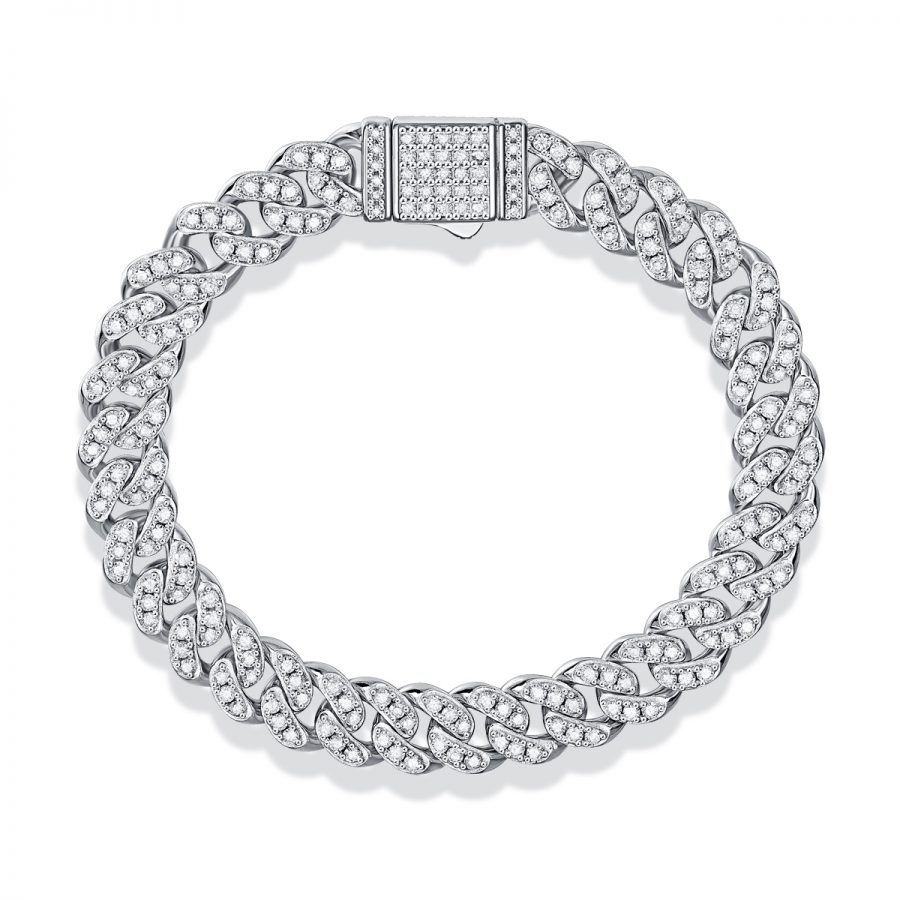
Bracelets are one of the most inspection-sensitive categories in any jewelry wholesale program, because their open structure, moving clasps, and mixed materials expose defects that rings and studs often hide. For US buyers, the difference between a profitable bracelet line and a returns-heavy one usually comes down to how well incoming QC and pre-ship inspection are defined before production starts.
This article walks through the practical checkpoints a buyer should specify, stage by stage, so that every shipment of bracelets arrives sellable and consistent.
Unlike a pendant or a pair of earrings, a bracelet has dozens of failure points: solder joints on links, clasp springs, stone settings that flex during wear, plating thickness across curved surfaces. A supplier that only inspects finished goods will catch some of this, but a supplier that inspects at three stages catches it early, when it is cheap to fix.
The Three-Stage Inspection Framework for Bracelets
A dependable wholesale program runs QC at three defined points: incoming, in-process, and pre-shipment. Each stage targets different risks, and buyers should ask which checks happen where rather than accepting a generic "we inspect everything" answer.
Incoming QC: Raw Materials and Loose Stones
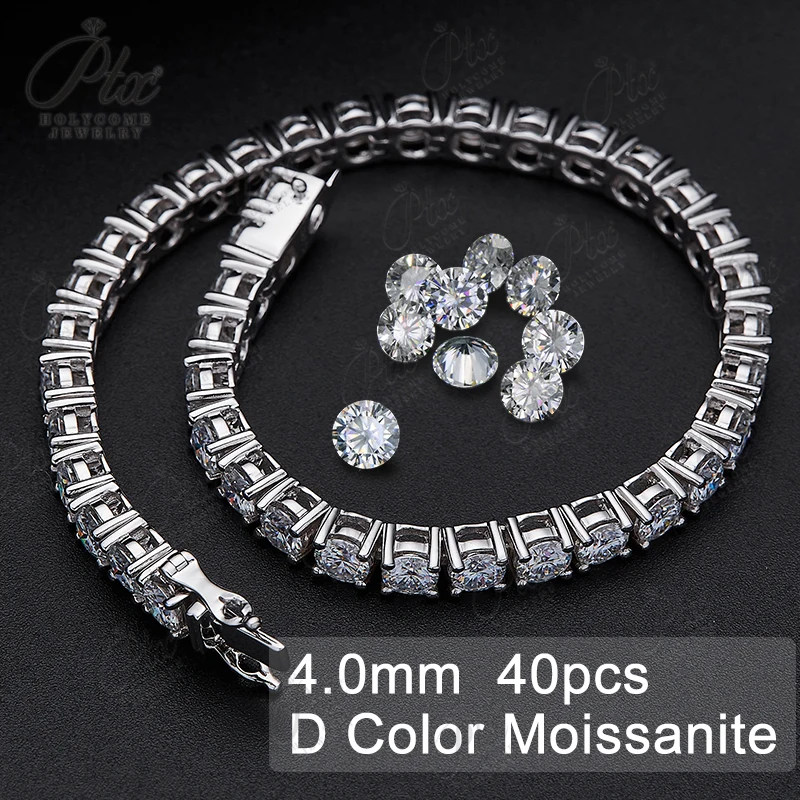
Incoming QC covers metal findings, chains, clasps, and loose stones before assembly begins. For bracelets set with moissanite, a lab-created diamond alternative, stones should arrive with grading documentation — GRA or IGI papers — and be verified against those papers for carat weight and clarity grade. Sterling silver findings should be checked for tarnish and stamping accuracy, while 10K, 14K, and 18K solid gold components get hallmark verification.
Any plated or vermeil components must be identified as such at this stage, never mixed into solid gold orders. If a stone fails incoming inspection, it is replaced before setting, which costs far less than reworking a finished bracelet.
In-Process Inspection: Assembly and Setting Checks
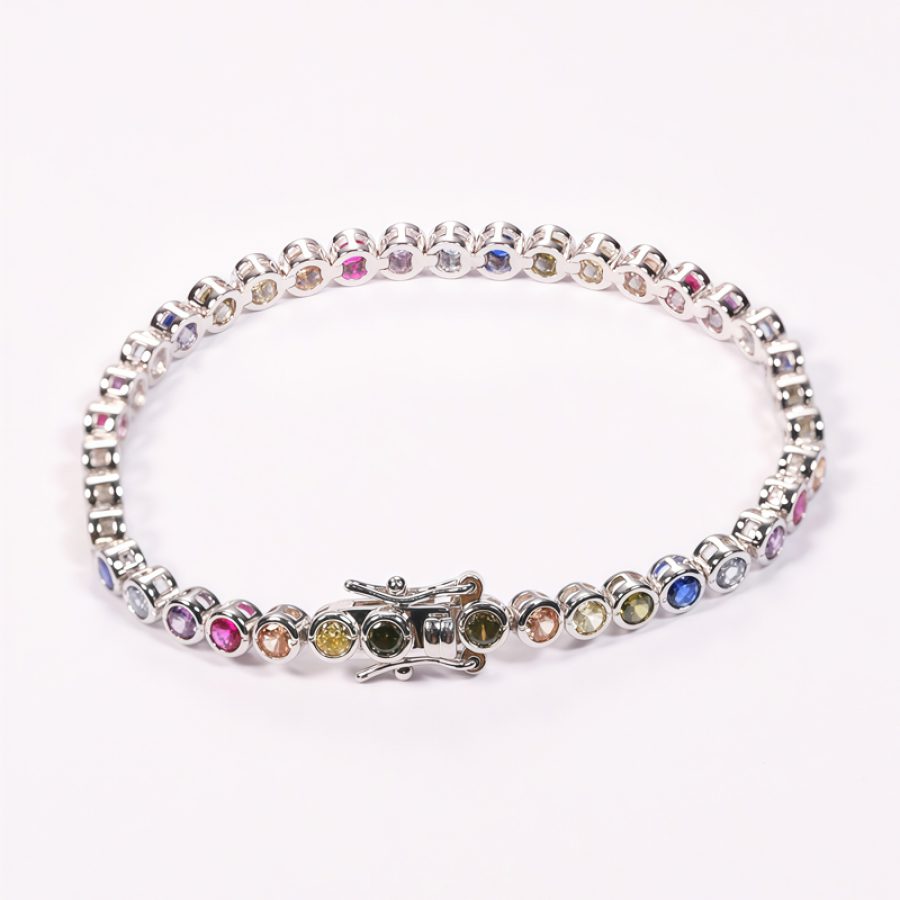
During bulk production, in-process checks focus on the points that later become customer complaints. For link bracelets, inspectors pull-test solder joints and check that each link moves freely without catching. Clasp mechanisms are opened and closed repeatedly to confirm spring tension. Stone settings are checked under magnification for prong seating and stone security, since flexing during wear loosens poorly set stones faster than any other defect.
Plating batches are sampled for color consistency, because a bracelet with mixed-tone links is immediately visible on a retail shelf.
Pre-Ship AQL Inspection
The final gate is an AQL inspection performed on packed, ready-to-ship goods. This is a statistically sampled inspection, meaning inspectors check a defined portion of the lot against acceptance thresholds for major and minor defects. For bracelets, pre-ship checks should include clasp function on sampled pieces, stone presence and security, plating finish, and packaging integrity.
Buyers who are new to a factory should ask to see the AQL sampling plan and defect classification, and many US importers request photo or video evidence of the inspection before authorizing shipment.
Matching Inspection Depth to Your Order Structure
Not every order needs the same inspection intensity. Our minimums are flexible: 1 piece for stock styles, 30 pieces for custom work, and loose stones sold by the carat. Stock bracelet styles benefit from incoming and pre-ship checks, while custom work — where a new design, new mold, or new stone layout is involved — justifies heavier in-process inspection because the first production run carries the most unknowns.
The table below summarizes how inspection emphasis typically shifts by order type.
| Order Type | Primary Risk | Key Inspection Stage |
|---|---|---|
| Stock bracelet, 1 piece | Transit damage | Pre-ship AQL check |
| Custom design, 30 pieces | First-run setting defects | In-process checks |
| Loose moissanite by carat | Grade mismatch | Incoming QC vs GRA or IGI papers |
| Mixed metal bracelet order | Metal mislabeling | Incoming hallmark verification |
Use this as a starting framework, then adjust based on your return history. If clasp failures dominate your claims, ask for repeated-cycle clasp testing at in-process. If stone loss is the issue, request prong-tension checks on a defined sample of each production run.
Documentation Buyers Should Request With Every Bracelet Order
Inspection only has value if it is documented. Before approving a bulk production run, get the following in writing so both sides agree on what "passed" means.
- Stone documentation: GRA or IGI papers for graded moissanite, matched to carat weights on the invoice.
- Metal specification: exact metal named per SKU — 925 sterling silver, 10K, 14K, or 18K solid gold, gold vermeil, or gold plated — with no vague descriptions.
- AQL plan for the pre-ship inspection, including defect definitions for bracelets specifically.
- Photo or video record of the pre-ship inspection showing sampled pieces and packaging.
Buyers who specify these four items at the sampling stage rarely dispute shipments later. Buyers who skip them often discover metal or grade mismatches after goods have landed, when remediation means air-freighting replacements or issuing credits.
How Sampling Protects Your Bracelet Program Before Bulk
Sampling is where inspection standards get tested in the real world. Sample lead time is 7 to 10 days, and a sample should be treated as a physical specification, not just a design preview. Put the sample through the same checks you expect on the bulk lot: cycle the clasp several dozen times, check stone seating under magnification, weigh the piece, and photograph it under both warm and cool light for plating color reference.
For sample orders, we accept PayPal, which keeps the process low-risk for first-time buyers. Once the sample is approved and signed off, it becomes the golden reference against which in-process and pre-ship inspections are judged. Keep your approved sample on file; if a bulk shipment deviates from it, the comparison is straightforward and objective.
What to Check on a Bracelet Sample
- Clasp function after repeated open-and-close cycles, including alignment when latched.
- Stone security: tap-test settings and inspect prong tips under magnification.
- Weight and dimensions versus the approved spec sheet.
- Finish consistency across links, especially on curved or recessed surfaces.
- Correct metal and stone documentation accompanying the sample.
Shipping, Payment, and Timelines Around Inspection
Inspection gates slot into a predictable production timeline. Sampling takes 7 to 10 days; bulk production runs 15 to 25 days after final approval, which includes the in-process inspection window. Pre-ship AQL inspection happens after packing and before balance payment, which is why our standard terms are T/T with a 30 percent deposit and the 70 percent balance before shipment — the inspection report gives you evidence to release that balance with confidence. Sample orders can be paid via PayPal.
For US buyers, we ship DDP, with delivery in 5 to 8 days. That means customs clearance and duties are handled before the goods reach your door, and the pre-ship inspection report travels with the shipment as your record of what was checked and passed.
Order Terms for Wholesale Buyers
MOQ is 1 piece for stock styles and 30 pieces for custom work, and loose stones are sold by the carat. Sampling takes 7 to 10 days, and bulk production runs 15 to 25 days after the sample is approved. Pricing is quoted per piece or per carat depending on the item. Payment is T/T with a 30% deposit and the 70% balance before shipment, and PayPal is accepted for sample orders.
Frequently Asked Questions
Can I order a single bracelet to evaluate quality before committing?
Yes. The minimum order quantity is 1 piece for stock styles, so you can inspect a production-grade bracelet before placing a custom run. Custom work requires 30 pieces per style.
What happens if the pre-ship AQL inspection finds defects?
Defective pieces are pulled and repaired or replaced before packing is finalized. You receive the inspection report and can approve shipment once the lot meets the agreed acceptance thresholds.
Do moissanite stones in bracelets come with grading papers?
Graded stones are supplied with GRA or IGI papers matched to the invoice. Moissanite is a lab-created diamond alternative and is documented as such.
How is metal composition verified during incoming QC?
Each component is checked against its specification — 925 sterling silver, solid gold in 10K, 14K, or 18K, gold vermeil, or gold plated — with hallmarks and stamps verified at receiving. Plated components are never substituted into solid gold orders.
Who covers inspection if I want a third-party check before shipment?
Buyers may arrange their own third-party inspection during the pre-ship window after bulk production, which runs 15 to 25 days after approval. Coordinate the booking with your account manager so factory access is scheduled before the balance payment.
Build a Bracelet Line on Verified Quality
A bracelet program built on defined incoming QC, in-process checks, and pre-ship AQL inspection protects margins, reduces returns, and makes reorders predictable. Start by reviewing our range on the blog for sourcing guides, learn more about our facility and team on the about page, and request a sample or discuss custom bracelet production through our contact page. Send us your design or SKU list and we will quote per piece or per carat with full inspection documentation included.
Sources: Grading references: GIA gem education and GIA laboratory information.
Join the thread. Ask a sizing, setting or sourcing question and the bench answers.
Post a questionWritten By
Holycome Trade Desk
Gemologists and setters at our own workshop. We have been cutting moissanite and lab grown stones since 2013.